
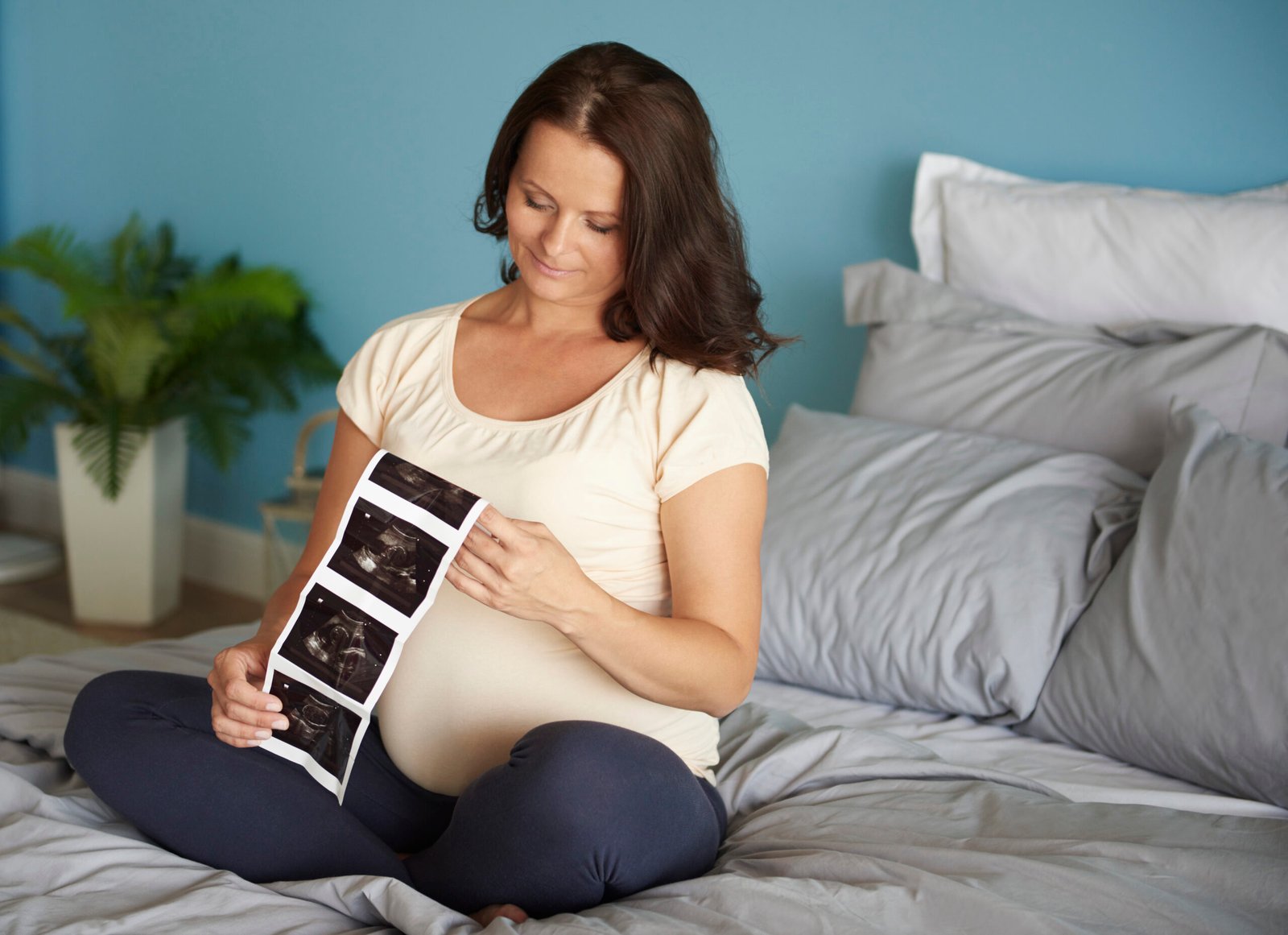
Understanding what “1 week pregnant” means can be confusing for many women. Medically, pregnancy is calculated from the first day of your last menstrual period (LMP), not from the actual day of conception. This means that at 1 week pregnant, you are usually not technically pregnant yet, but your body is preparing for ovulation and possible fertilization.
During this phase, your hormones start shifting, your reproductive system becomes active, and your body begins creating the ideal environment for pregnancy. Many women start searching for 1 week pregnant symptoms before a missed period or early signs, hoping to identify pregnancy as early as possible.
What Happens at 1 Week Pregnant?
At this early stage, your body is still in the menstrual phase. The uterine lining may be shedding or rebuilding, depending on your cycle. If conception is going to happen, ovulation typically occurs around the second week.
Even though it is called 1 week pregnant, there is usually no embryo yet. However, hormonal imbalance has already begun, which can sometimes create mild physical or emotional symptoms.
Some women may notice early changes and wonder about symptoms 1 week pregnant or signs and symptoms 1 week pregnant, but these are often related to PMS rather than actual pregnancy.
Common Symptoms at 1 Week Pregnant
Most women do not experience true pregnancy symptoms this early, but hormonal fluctuations can cause sensations similar to early pregnancy. These may include:
- Mild fatigue
- Mood swings
- Slight bloating
- Breast tenderness
- Light abdominal discomfort
People often search for 1 week pregnant symptoms. It is important to understand that real pregnancy symptoms usually begin after implantation, around weeks 3–4.
Some women may confuse menstrual symptoms with early pregnancy signs, especially when experiencing stomach cramps 1 week pregnant or 1 week pregnant stomach pain. These are usually related to menstruation or ovulation.
Stomach Pain and Spotting at 1 Week Pregnant
Mild abdominal discomfort is common during this time due to hormonal changes and uterine activity. However, 1 week pregnant stomach pain is not a confirmed sign of pregnancy.
Similarly, 1 week pregnant spotting may occur due to hormonal fluctuations or the end of a menstrual cycle. Implantation bleeding usually happens later, around 6–12 days after ovulation.
If you notice spotting and wonder, “period came 1 week early, am I pregnant?” It is more likely caused by cycle irregularities, stress management, or hormonal imbalance rather than being a confirmed sign of pregnancy.
Hormones and Early Pregnancy Changes
During this time, estrogen and progesterone levels begin to rise and fall as the body prepares for ovulation. These hormonal shifts can sometimes mimic early pregnancy symptoms.
Women tracking fertility may also look into 1 week pregnant symptoms before a missed period or monitor basal body temperature and cervical mucus to predict ovulation.
Belly Size and Physical Changes
At 1 week pregnant belly size, there are no visible changes in the abdomen. The embryo has not yet formed or implanted, so physical transformation is not expected.
Any bloating experienced at this stage is usually related to digestion or menstrual cycle changes rather than pregnancy.
Understanding HCG Levels
Human chorionic gonadotropin (hCG) is the pregnancy hormone detected in tests. At this stage, hCG is not yet produced in measurable amounts.
People often search for one week pregnant hCG levels, but hCG only starts rising after implantation, typically around week 3 or 4 of pregnancy.
A pregnancy test taken at 1 week will almost always be negative, even if conception will occur later in the cycle.
Late Pregnancy Comparison (36 Weeks Pregnant Insight)
To better understand pregnancy progression, it helps to compare the early and late stages. For example, at 36 weeks pregnant, dilated 1 cm or 1 cm dilated at 36 weeks pregnant the body is preparing for labor. The cervix begins opening, unlike at 1 week, when no physical pregnancy exists yet.
Similarly, 36 weeks pregnant dilated 1 cm indicates late-stage readiness for delivery, which is completely different from early cycle preparation.
Tips for a Healthy Early Pregnancy Journey
If you are trying to conceive, the 1-week stage is the perfect time to support your body:
- Maintain a balanced diet that is rich in folic acid.
- Stay hydrated
- Avoid stress
- Track ovulation cycles
- Take prenatal vitamins if recommended
These steps improve your chances of successful fertilization and implantation in the coming weeks.
Key Takeaway
At one week pregnant, your body is not yet in an actual pregnancy stage, but is preparing for ovulation and possible conception. Symptoms at this time are usually related to hormonal changes or menstruation rather than pregnancy itself.
Understanding this timeline helps avoid confusion around early signs and ensures better awareness of reproductive health.
FAQs
1. Can you feel symptoms at one week pregnant?
Most women do not experience true pregnancy symptoms at 1 week. Any sensations are usually related to menstrual cycle changes rather than pregnancy.
2. Is stomach pain normal at one week pregnant?
Yes, mild cramps or one week pregnant stomach pain can occur due to hormonal changes or periods, but it is not a confirmed pregnancy sign.
3. Can spotting mean pregnancy at 1 week?
One week pregnant, spotting is usually due to menstruation or hormonal imbalance. Implantation spotting happens later in the cycle.
4. What are hCG levels at one week pregnant?
There are typically no detectable one-week pregnant hCG levels at this stage because implantation has not occurred yet.
5. Can I take a pregnancy test at 1 week?
No, testing at 1 week is too early. Pregnancy tests are more accurate after a missed period when hCG levels rise.
Reference
https://www.medicalnewstoday.com/articles/pregnancy-symptoms-week-1
https://www.marchofdimes.org/pregnancy-week-week
0 200
No Comments