
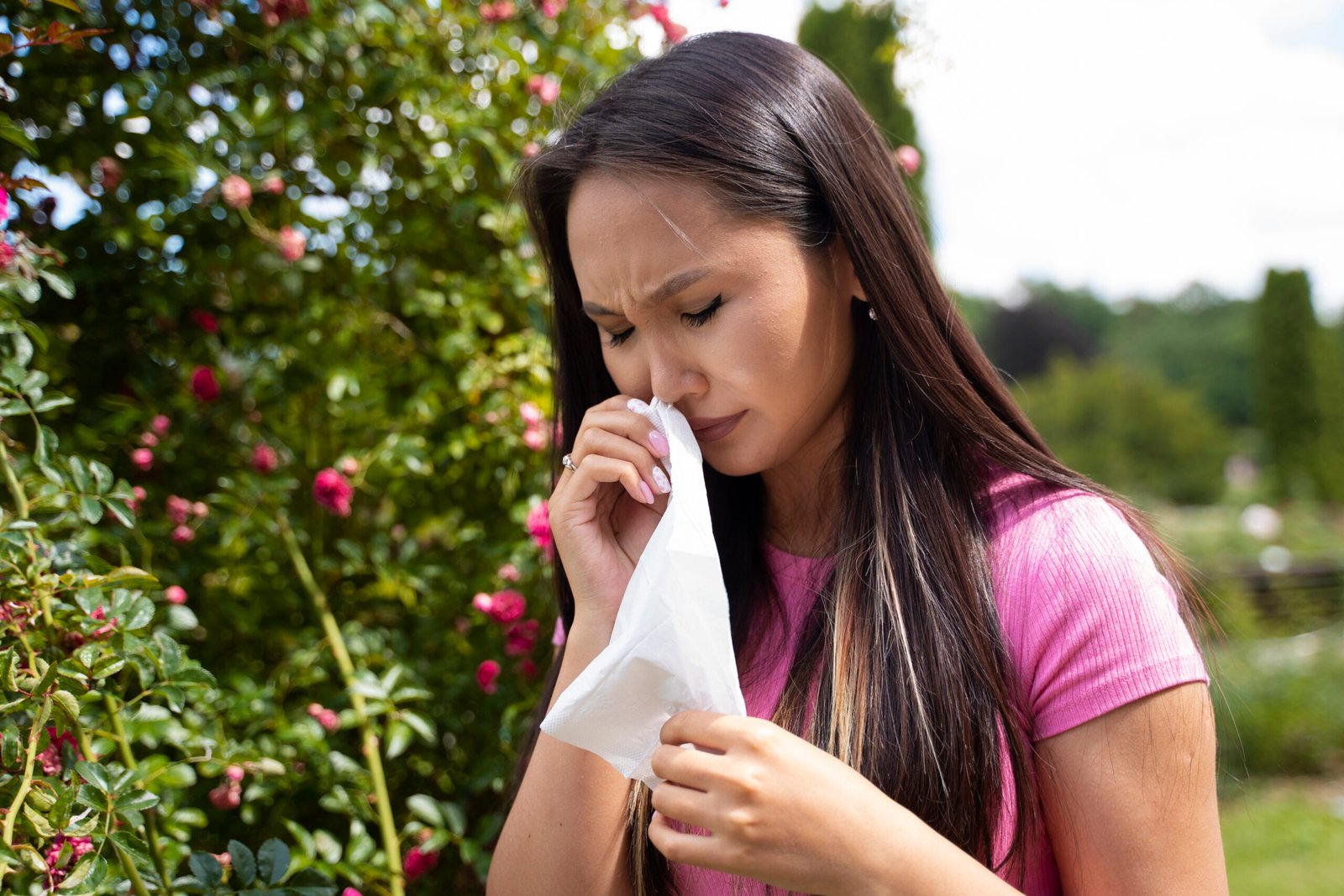
Allergies are a common health concern affecting millions of people worldwide. Whether triggered by food, environmental factors, or pets, recognizing allergy symptoms early can help prevent complications and improve quality of life. Many people tend to ignore mild signs, but even small reactions can escalate if left untreated. In this guide, we’ll explore the most important allergies symptoms you should never overlook, along with specific types and triggers.
Understanding Allergy Symptoms
Allergies occur when your immune system reacts to substances (allergens) that are usually harmless. These allergens can include pollen, dust, certain foods, or pet dander. The symptoms of allergies vary depending on the trigger and the individual’s sensitivity.
Common allergy symptoms include:
- Sneezing and nasal congestion
- Runny or blocked nose
- Itchy eyes, nose, or throat
- Skin rashes or hives
- Swelling of lips, face, or eyelids
Ignoring these early warning signs can lead to more severe conditions like asthma or chronic sinus issues.
Seasonal and Environmental Allergy Symptoms
Many people experience seasonal allergy symptoms, particularly during the spring and fall seasons. These are typically caused by airborne allergens such as pollen and mold.
Pollen Allergies
Pollen allergy symptoms are among the most widespread. Trees, grasses, and weeds release pollen into the air, triggering reactions such as:
- Frequent sneezing
- Watery, itchy eyes
- Runny nose
- Fatigue
Similarly, pollen allergies symptoms may worsen on windy days or during peak pollen seasons.
Ragweed Allergies
Ragweed allergy symptoms are especially common in late summer and autumn. Even a small amount of ragweed pollen can cause intense reactions like:
- Severe nasal congestion
- Itchy throat
- Red, swollen eyes
Mold Allergies
Damp environments encourage mold growth, leading to mold allergy symptoms such as:
- Coughing and wheezing
- Nasal irritation
- Skin irritation (gies symptoms skin)
These symptoms often worsen in humid climates or poorly ventilated spaces.
Pet-Related Allergy Symptoms
Pet lovers may find it difficult to deal with cat allergy symptoms or reactions to other animals. Proteins found in pet dander, saliva, and urine can trigger allergies.
Common cat allergies symptoms include:
- Sneezing and a runny nose
- Itchy or watery eyes
- Skin rashes after contact
- Breathing difficulties in severe cases
If untreated, these symptoms can contribute to asthma and allergies symptoms, making it harder to breathe over time.
Food Allergy Symptoms You Should Watch For
Food allergies can be particularly dangerous and sometimes life-threatening. Recognizing food allergy symptoms early is crucial.
Typical food allergies symptoms include:
- Swelling of lips, tongue, or throat
- Hives or skin rash
- Nausea, vomiting, or diarrhea
- Difficulty breathing
Gluten and Wheat Allergies
People with gluten sensitivity may experience gluten allergy symptoms such as:
- Bloating and abdominal pain
- Fatigue
- Headaches
Similarly, wheat allergies symptoms can include:
- Skin reactions
- Digestive issues
- Nasal congestion
Milk Allergies
Milk allergies symptoms are common in children but can also affect adults. Signs include:
- Stomach cramps
- Skin rash or eczema
- Vomiting
Ignoring these symptoms may lead to more severe allergic reactions, including anaphylaxis.
Skin-Related Allergy Symptoms
Skin reactions are often the most visible allergies symptoms skin. These can occur due to food, environmental allergens, or contact with irritants.
Look out for:
- Redness and itching
- Hives or welts
- Dry, flaky skin
- Swelling
These symptoms may appear immediately or develop over time, depending on the allergen.
Eye and Respiratory Allergy Symptoms
Eye-related issues are another common indicator. Eyes allergies symptoms include:
- Redness
- Itching
- Excessive tearing
- Sensitivity to light
Respiratory symptoms can overlap with asthma. Asthma and allergies symptoms may include:
- Shortness of breath
- Chest tightness
- Wheezing
These symptoms should never be ignored, as they can worsen quickly and require medical attention.
When to Seek Medical Help
While mild seasonal allergy symptoms can often be managed with over-the-counter medications, certain signs require immediate attention:
- Difficulty breathing
- Swelling of the throat or tongue
- Severe dizziness
- Rapid heartbeat
These may indicate a severe allergic reaction (anaphylaxis), which is a medical emergency.
Tips to Manage Allergy Symptoms
To reduce exposure and manage symptoms of allergies, consider these tips:
- Keep windows closed during high pollen seasons
- Use air purifiers indoors
- Avoid known food triggers
- Maintain cleanliness to reduce dust and mold
- Wash your hands and clothes after outdoor exposure
Lifestyle adjustments can significantly reduce the severity of seasonal allergy symptoms and improve overall well-being.
Recognizing and addressing allergy symptoms early is essential for maintaining good health. Whether you’re dealing with pollen allergy symptoms, food allergies symptoms, or mold allergy symptoms, timely care and prevention can make a significant difference.
FAQs
1. What are the most common allergy symptoms?
The most common allergy symptoms include sneezing, a runny nose, itchy eyes, skin rashes, and congestion. These vary depending on the allergen and individual sensitivity.
2. How can I tell if I have food allergies symptoms?
Food allergy symptoms often involve digestive issues, swelling, hives, or breathing problems shortly after eating certain foods. Keeping a food diary can help identify triggers.
3. What is the difference between seasonal and permanent allergies?
Seasonal allergy symptoms typically occur during specific times of the year, often triggered by pollen or ragweed, whereas permanent allergies are triggered by year-round factors such as dust mites, pets, or mold.
4. Are cat allergy symptoms serious?
Cat allergy symptoms can range from mild sneezing to severe breathing issues. In some cases, they may worsen into asthma and allergies symptoms if not managed properly.
5. When should I see a doctor for allergies symptoms?
You should seek medical help if your symptoms of allergies are severe, persistent, or interfere with daily life, especially if you experience breathing difficulties or swelling.
Reference
https://www.mayoclinic.org/diseases-conditions/allergies/symptoms-causes/syc-20351497
https://medlineplus.gov/allergy.html
https://www.lung.org/blog/allergies-vs-illness
0 200

I agree with you