
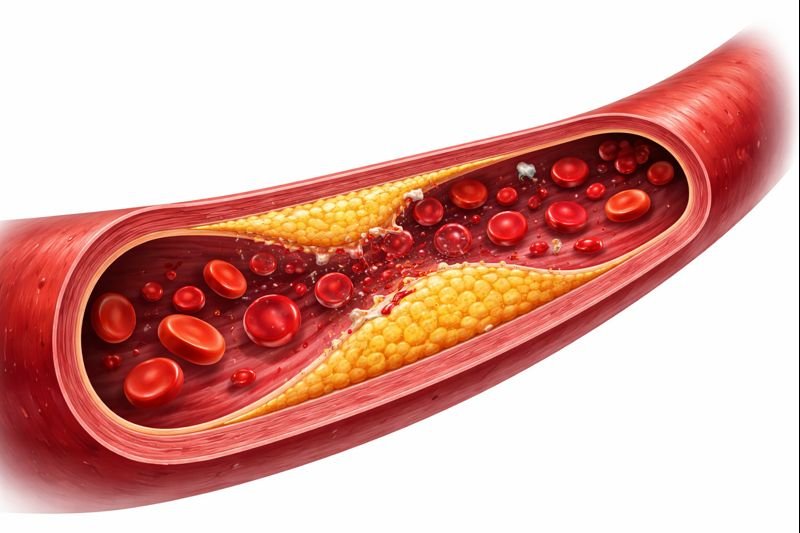
Atherosclerosis is a common but serious cardiovascular condition that develops when arteries become narrowed and hardened due to the buildup of plaque. Plaque is made up of fat, cholesterol, calcium, and other substances found in the blood.
Over time, this buildup restricts blood flow and reduces oxygen supply to vital organs, increasing the risk of heart attack, stroke, and other life-threatening conditions.
Atherosclerosis often progresses silently over many years, making early awareness and prevention essential for long-term heart and vascular health.
What Is Atherosclerosis?
Atherosclerosis is a chronic inflammatory disease affecting the arterial walls. As plaque accumulates, arteries lose their elasticity and become narrower. In some cases, plaque can rupture, leading to the formation of a blood clot that may completely block blood flow.
This process can affect arteries throughout the body, including those supplying the heart, brain, kidneys, and limbs.
Common Causes of Atherosclerosis
Atherosclerosis develops gradually and is influenced by healthy lifestyle and medical factors. The most common causes include:
-
High levels of LDL (bad) cholesterol
-
High blood pressure
-
Smoking and tobacco use
-
Diabetes and insulin resistance
-
Obesity
-
Sedentary lifestyle
-
Chronic inflammation
-
Unhealthy diet high in saturated fats and sugar
Genetics and aging also play a role, increasing susceptibility even in individuals without obvious risk factors.
Symptoms of Atherosclerosis
In its early stages, health often causes no symptoms. As the condition worsens and blood flow becomes restricted, symptoms depend on which arteries are affected:
-
Coronary arteries (heart): Chest pain (angina), shortness of breath, fatigue
-
Carotid arteries (brain): Sudden weakness, slurred speech, vision problems
-
Peripheral arteries (legs): Leg pain while walking, numbness, cold feet
-
Renal arteries (kidneys): High blood pressure, kidney dysfunction
In severe cases, can lead to a heart attack, stroke, or limb-threatening circulation problems.
Risk Factors
Several factors significantly increase the risk of developing:
-
Age over 45 for men and 55 for women
-
Family history of heart disease
-
High cholesterol levels
-
High blood pressure
-
Smoking
-
Diabetes
-
Lack of physical activity
-
Poor dietary habits
Managing these risk factors early can slow or prevent disease progression.
How Atherosclerosis Is Diagnosed
Diagnosis usually involves a combination of clinical evaluation, imaging, and laboratory tests. A healthcare provider may use:
-
Physical examination: Checking blood pressure, pulse, and listening for abnormal artery sounds
-
Blood tests: Measuring cholesterol, triglycerides, and blood sugar levels
-
Imaging tests: Ultrasound, CT scan, or MRI to assess arterial narrowing
-
Stress tests: To evaluate blood flow to the heart
-
Angiography: A specialized imaging test to visualize blocked arteries
Early diagnosis allows for timely intervention and reduces the risk of complications.
Treatment Options for Atherosclerosis
Treatment focuses on slowing disease progression, reducing symptoms, and preventing complications. A combination of lifestyle changes and medical management is often required.
Lifestyle Modifications
Lifestyle changes are the foundation of atherosclerosis treatment:
-
Adopt a heart-healthy diet rich in fruits, vegetables, whole grains, and lean proteins
-
Reduce saturated fats, trans fats, and added sugars
-
Exercise regularly, aiming for at least 150 minutes of moderate activity per week
-
Quit smoking and avoid secondhand smoke
-
Maintain a healthy weight
-
Manage stress through relaxation techniques
These changes can significantly improve vascular health and overall well-being.
Medications
Doctors may prescribe medications to control risk factors and protect arteries, including:
-
Statins to lower cholesterol
-
Blood pressure medications
-
Antiplatelet drugs to reduce clot formation
-
Diabetes medications to control blood sugar
Medication adherence is crucial for long-term disease management.
Medical Procedures
In advanced cases, medical procedures may be necessary:
-
Angioplasty: Opening narrowed arteries using a balloon
-
Stent placement: Keeping arteries open with a mesh tube
-
Bypass surgery: Redirecting blood flow around blocked arteries
These interventions are typically reserved for severe or life-threatening cases.
Complications of Atherosclerosis
If left untreated, atherosclerosis can lead to serious complications, including:
-
Heart attack
-
Stroke
-
Peripheral artery disease
-
Chronic kidney disease
-
Erectile dysfunction
-
Sudden cardiac death
Early treatment greatly reduces the risk of these outcomes.
Prevention and Long-Term Management
Preventing atherosclerosis begins with healthy daily habits. Regular health screenings, blood pressure checks, and cholesterol monitoring are essential. Individuals with risk factors should work closely with healthcare providers to develop personalized prevention strategies.
Long-term management involves ongoing lifestyle changes, regular follow-ups, and medication when necessary. With proper care, many people can live active, healthy lives.
Conclusion
Atherosclerosis is a progressive condition that can have serious consequences if ignored. Understanding its causes, recognizing symptoms, and seeking early diagnosis are key to preventing complications.
Through healthy lifestyle choices, proper medical care, and consistent monitoring, the progression of atherosclerosis can be slowed or even partially reversed.
Awareness and prevention remain the most powerful tools in protecting heart and vascular health.
FAQs
1. Is atherosclerosis reversible?
Early stages can improve with lifestyle changes, but advanced plaque buildup is usually permanent.
2. Can young people develop atherosclerosis?
Yes, early plaque formation can begin in youth, especially with poor lifestyle habits.
3. Is atherosclerosis the same as arteriosclerosis?
Atherosclerosis is a specific type of arteriosclerosis involving plaque buildup.
4. How fast does atherosclerosis progress?
Progression varies and depends on risk factors, lifestyle, and treatment.
5. Can diet alone treat atherosclerosis?
Diet is important, but most people need a combination of lifestyle changes and medical care.
Reference
https://www.nhlbi.nih.gov/health/atherosclerosis
https://www.heart.org/en/health-topics/cholesterol/about-cholesterol/atherosclerosis
0 200
1 Comment