
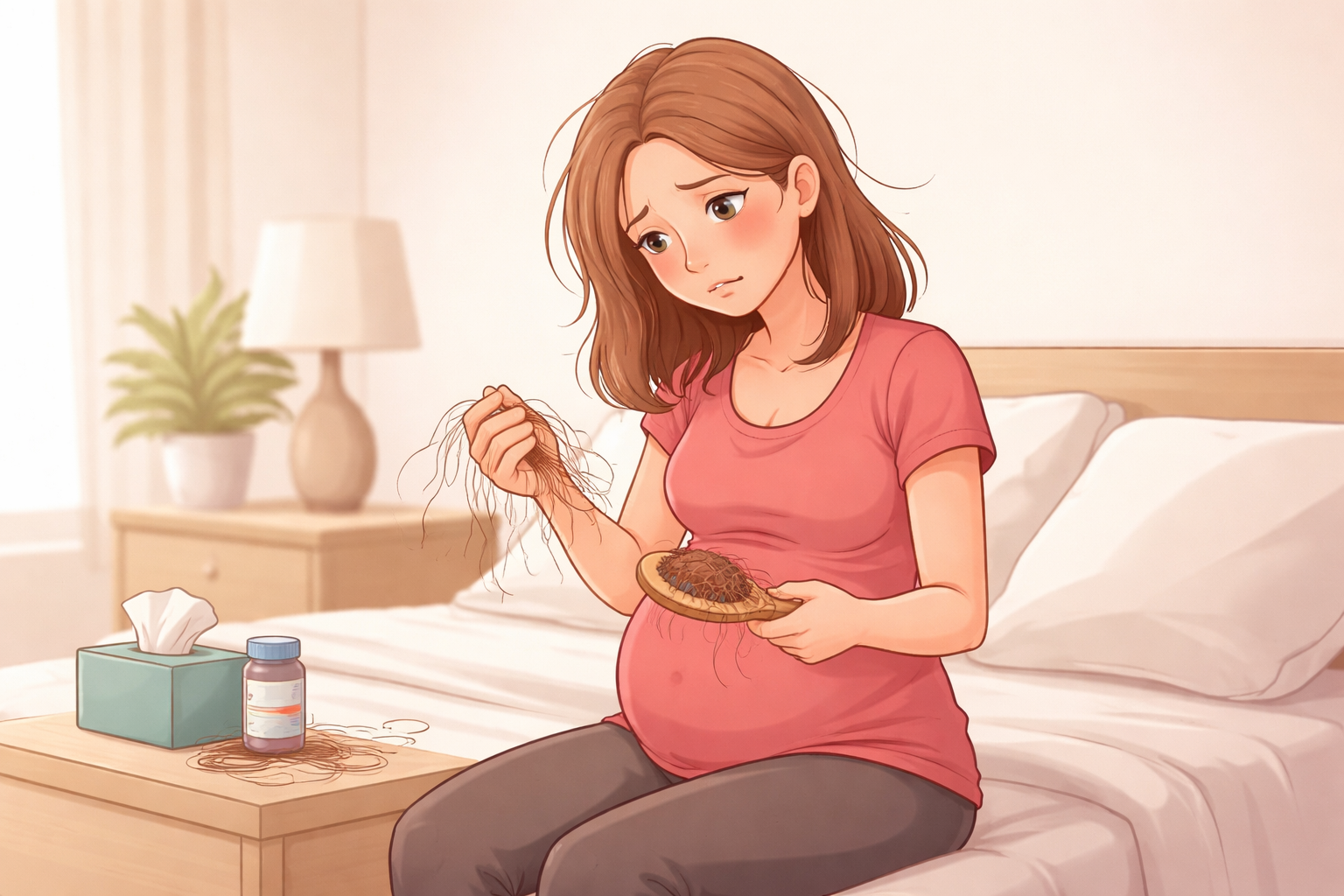
Pregnancy brings many physical and hormonal changes in a woman’s body. While most people expect glowing skin and thicker hair, some women experience an unexpected issue: hair loss during pregnancy. Although it may feel concerning, it is often temporary and linked to natural changes in the body.
In this article, we will explain why hair loss during pregnancy happens, whether it is normal, and the best ways to manage it safely. We will also cover effective tips on how to prevent hair fall during pregnancy and available hair fall treatment during pregnancy options.
Why Hair Loss During Pregnancy Happens
Many women wonder why hair falls during pregnancy occurs when pregnancy is usually associated with stronger hair. The main reason is hormonal fluctuation.
During pregnancy, estrogen levels increase, which usually keeps hair in the growth phase longer. However, some women may experience the opposite effect due to:
- Hormonal imbalance
- Stress and anxiety
- Nutritional deficiencies (iron, vitamin D, folic acid)
- Thyroid changes
- Underlying scalp conditions
In some cases, pregnancy and hair fall during early or later stages can be influenced by genetic sensitivity to hormones.
So, while it is less common than postpartum hair loss, it still happens in some pregnancies.
Is Hair Loss During Pregnancy Normal?
A common concern among expecting mothers is: Is hair loss during pregnancy normal? Or is hair loss normal during pregnancy?
The answer is yes—mild hair shedding can be normal. However, excessive hair fall is not typical and may indicate an underlying issue such as:
- Iron deficiency anemia
- Hormonal imbalance
- Poor diet
- High stress levels
In most cases, hair loss during pregnancy is temporary and improves after delivery or once nutritional balance is restored.
How Pregnancy Affects Hair Growth
Normally, hair goes through three phases: growth, rest, and shedding. During pregnancy, higher estrogen levels keep more hair in the growth phase, which is why many women notice thicker hair.
However, if the body is under stress or lacks essential nutrients, more hair follicles may enter the shedding phase. This is when pregnancy hair fall becomes noticeable.
How to Treat Hair Loss During Pregnancy Safely
If you are experiencing hair thinning, it is important to choose safe and natural approaches. The goal is to treat hair loss during pregnancy without harming the mother or baby.
Safe methods include:
- Consuming a well-balanced diet that is high in iron, protein, and essential vitamins.
- Drinking enough water daily
- Using mild, chemical-free shampoos
- Gentle scalp massage to improve blood circulation
- Managing stress through yoga or meditation
Avoid harsh chemical treatments unless approved by a doctor.
Hair Loss Treatment During Pregnancy: Options
When looking for hair fall treatment during pregnancy, safety is the top priority. Medical treatments are usually limited during pregnancy, so natural and preventive care is recommended.
Helpful approaches include:
1. Nutritional Support
Include foods like spinach, eggs, nuts, seeds, and fruits to improve hair strength.
2. Prenatal Vitamins
Doctor-prescribed supplements can help reduce deficiencies that contribute to hair fall.
3. Scalp Care Routine
A gentle oil massage with coconut or almond oil can improve scalp health.
4. Avoid Heat and Styling Damage
Limit the use of straighteners, curlers, and blow dryers.
These steps help manage hair fall during pregnancy treatment safely and effectively.
How to Prevent Hair Loss During Pregnancy
Prevention is always better than a cure. If you are worried about how to prevent hair fall during pregnancy, follow these simple habits:
- Maintain a nutrient-rich diet
- Avoid skipping prenatal supplements
- Reduce stress and get enough sleep
- Keep scalp clean and oil-balanced
- Avoid tight hairstyles that pull hair
Consistency is key to maintaining healthy hair throughout pregnancy.
How to Stop Hair Loss During Pregnancy
Many women search for how to stop hair fall during pregnancy quickly, but it is important to understand that stopping it completely may not always be possible. Instead, the goal is to reduce shedding and support healthy regrowth.
You can:
- Identify and correct nutritional deficiencies
- Stay hydrated
- Use gentle hair care products
- Avoid chemical treatments like bleaching or strong dyes
- Consult a doctor if hair fall becomes severe
With proper care, hair usually stabilizes within a few weeks or months.
Emotional Impact of Hair Loss During Pregnancy
Experiencing hair fall during pregnancy can affect confidence and emotional well-being. Pregnancy is already a sensitive time, and visible hair thinning can cause stress.
It is important to remember that in most cases, this condition is temporary. After delivery, hormone levels normalize, and hair often returns to its usual growth cycle.
When to See a Doctor
You should consult a healthcare professional if:
- Hair loss is sudden or severe
- You notice bald patches
- You experience other symptoms, such as fatigue or changes in weight.
- Hair fall continues despite dietary improvements
A doctor can help identify the root cause and suggest safe treatment options.
Conclusion
Hair fall during pregnancy is usually temporary and manageable. Understanding why hair fall during pregnancy helps reduce worry and allows for better care. With proper nutrition, gentle hair care, and stress management, most women can effectively control shedding.
Remember, hair loss during pregnancy treatment should always focus on safety for both mother and baby. By following healthy habits, you can support strong and healthy hair throughout your pregnancy journey.
FAQs
1. Is hair loss during pregnancy normal?
Yes, mild shedding can be normal due to hormonal changes, but excessive loss should be checked by a doctor.
2. Why does hair fall happen during pregnancy?
It is mainly caused by hormonal fluctuations, nutritional deficiencies, and stress.
3. How to prevent hair fall during pregnancy?
Eat a balanced diet, take prenatal vitamins, manage stress, and follow a gentle hair care routine.
4. How to treat hair fall during pregnancy safely?
Use natural remedies like oil massage, proper nutrition, and mild shampoos. Avoid harsh chemical treatments.
5. Will hair grow back after pregnancy?
Yes, in most cases, hair returns to normal growth after hormone levels stabilize postpartum.
Reference
https://www.healthline.com/health/hair-loss-in-pregnancy
https://www.hopkinsmedicine.org/health/wellness-and-prevention/postpartum-hair-loss
https://americanpregnancy.org/pregnancy/hair-loss-during-pregnancy/

No Comments