
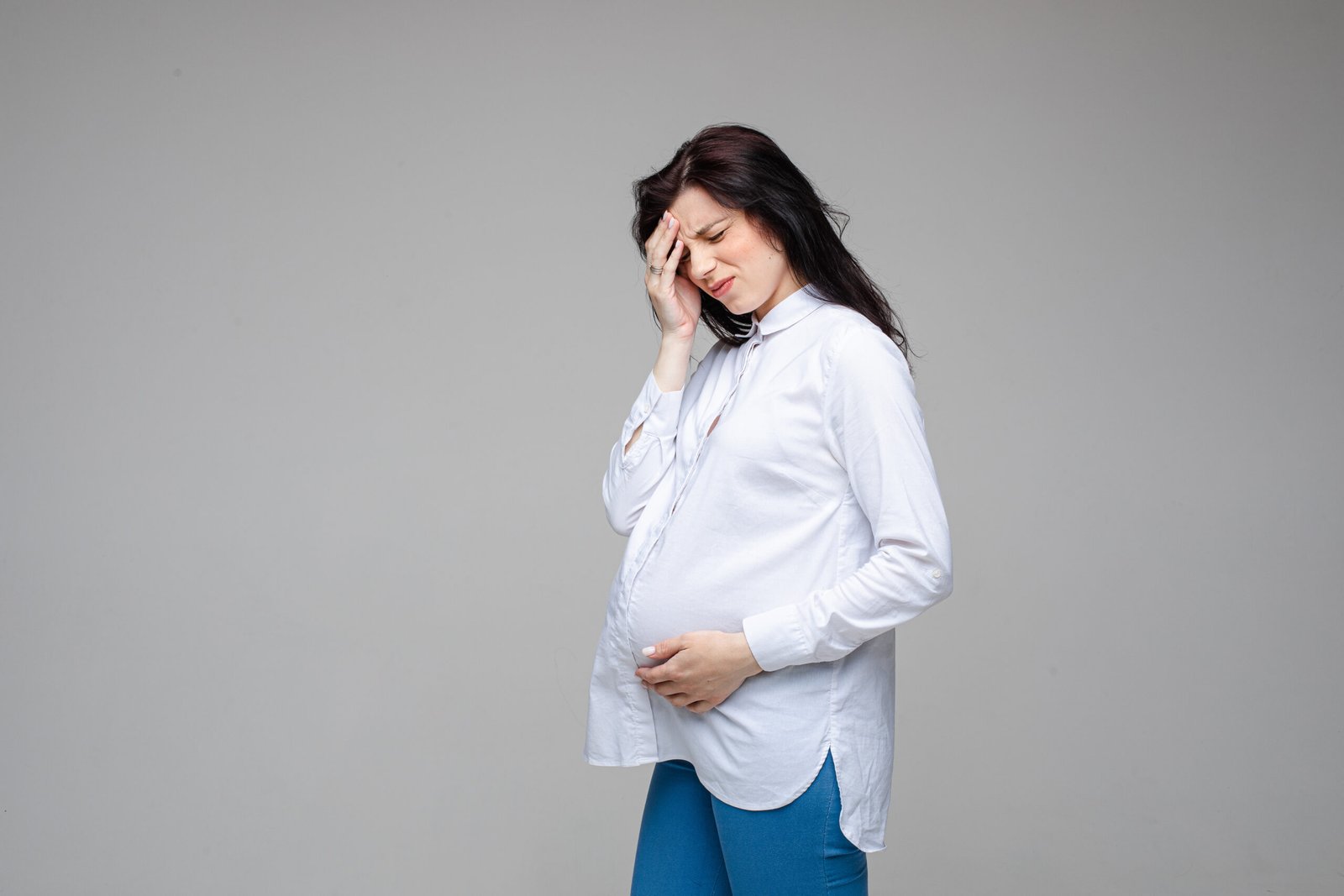
Pregnancy is often celebrated as a beautiful journey, but for some women, it comes with challenging symptoms that go beyond typical morning sickness. Hyperemesis gravidarum (HG) is an intense and ongoing condition characterized by severe nausea and vomiting, significantly impacting a pregnant woman’s physical well-being and emotional health. While mild morning sickness is common and usually manageable, HG can interfere with nutrition, hydration, and daily life, sometimes requiring medical intervention. Understanding the causes, symptoms, and treatments of hyperemesis gravidarum is essential for expectant mothers and their caregivers.
What is Hyperemesis Gravidarum?
Hyperemesis gravidarum goes beyond typical morning sickness. While up to 70–80% of pregnant females experience some nausea in the first trimester, HG is characterized by extreme, persistent nausea and vomiting that can lead to dehydration, weight loss, and electrolyte imbalances. Women with HG may struggle to keep even liquids down, and symptoms often require medical management to maintain health for both mother and baby.
Unlike regular morning sickness, which usually peaks around the 9th week and resolves by the 12th–14th week of pregnancy, HG can last longer and be much more severe. Its exact cause is not fully understood, but research points to a combination of hormonal changes, genetics, and possibly gastrointestinal sensitivity.
Symptoms of Hyperemesis Gravidarum
The hallmark symptom of HG is persistent nausea and vomiting, which can occur throughout the day, not just in the morning. Other common symptoms include:
-
Dehydration: Reduced fluid intake can cause dizziness, dark urine, and dry skin.
-
Weight Loss: Losing more than 5% of pre-pregnancy body weight is a key diagnostic indicator.
-
Electrolyte Imbalance: Low sodium, potassium, and other essential minerals may occur, leading to weakness or heart rhythm issues.
-
Fatigue: Constant vomiting and nutrient loss can lead to severe tiredness and low energy levels.
-
Psychological Impact: Anxiety, depression, and reduced stress are not uncommon due to the physical toll of HG.
Because symptoms can affect daily activities, women with HG may struggle to work, exercise, or maintain normal social interactions. Timely identification and management are essential to avoid potential complications.
Causes and Risk Factors
The precise cause of hyperemesis gravidarum remains unclear, but several factors appear to increase the risk:
-
Hormonal Changes: Elevated levels of human chorionic gonadotropin (hCG) and estrogen may trigger severe nausea.
-
Multiple Pregnancies: Women carrying twins or triplets are more likely to develop HG due to higher hormone levels.
-
First-time Pregnancies: HG is more commonly seen in women experiencing their first pregnancy.
-
History of HG: Women who experienced HG in a previous pregnancy are at higher risk in subsequent pregnancies.
-
Genetics: A family history of HG may contribute to susceptibility.
Other factors like obesity, motion sensitivity, and gastrointestinal disorders may also play a role, though research is ongoing.
Complications
Without proper treatment, hyperemesis gravidarum may result in severe complications:
-
Severe Dehydration: This can affect kidney function and blood pressure.
-
Nutritional Deficiencies: Inadequate intake of essential vitamins and minerals may impact fetal development.
-
Weight Loss: Significant maternal weight loss can increase the risk of low birth weight and preterm delivery.
-
Mental Health Challenges: Ongoing physical stress can contribute to depression or anxiety during pregnancy.
Prompt medical attention can prevent many of these complications and improve outcomes for both mother and baby.
Diagnosis
Healthcare providers diagnose HG based on a combination of medical history, physical examination, and laboratory tests. Key diagnostic criteria include:
-
Persistent vomiting beyond the first trimester
-
Weight loss exceeding 5% of pre-pregnancy weight
-
Evidence of dehydration or electrolyte imbalance
-
Exclusion of other causes of nausea and vomiting, such as infections or gastrointestinal conditions
Tests may include blood work to check electrolytes, kidney and liver function, and urinalysis to assess hydration levels.
Treatment Options
Treatment for hyperemesis gravidarum focuses on symptom relief, hydration, and nutritional support. Depending on severity, options may include:
-
Lifestyle and Home Remedies: Eating small, frequent meals, avoiding strong odors, and resting can sometimes ease symptoms.
-
Medications: Antiemetic drugs, such as ondansetron or doxylamine-pyridoxine combination, may be prescribed to reduce nausea and vomiting.
-
IV Fluids and Electrolytes: For severe cases, hospitalization may be necessary to provide fluids and correct electrolyte imbalances.
-
Nutritional Support: In extreme cases, enteral (feeding tube) or parenteral (IV nutrition) support may be needed to maintain adequate nutrition.
Early intervention is important to prevent complications and support the health of both mother and child.
Coping Strategies
Managing hyperemesis gravidarum requires both physical and emotional support. Some coping strategies include:
-
Support Network: Partner, family, and friends can help with meals, errands, and emotional support.
-
Prenatal Care: Regular check-ups allow healthcare providers to monitor weight, hydration, and fetal development.
-
Mental Health Support: Counseling, therapy, or support groups for HG can help manage stress and anxiety.
-
Alternative Therapies: Some women find relief with acupuncture, ginger supplements, or vitamin B6 under medical supervision.
It’s essential to discuss all treatment options with a healthcare provider to ensure safety for both mother and baby.
FAQs
1. Is hyperemesis gravidarum dangerous for the baby?
With proper treatment, most babies are healthy, but severe, untreated HG may lead to low birth weight or preterm delivery.
2. How is HG different from regular morning sickness?
HG involves persistent, severe vomiting that can cause dehydration and weight loss, whereas regular morning sickness is mild and usually manageable.
3. Can HG be prevented?
There’s no guaranteed prevention, but early prenatal care, managing triggers, and monitoring symptoms may help reduce severity.
4. How long does hyperemesis gravidarum last?
Symptoms usually peak in the first trimester but can persist into the second trimester and, in rare cases, throughout pregnancy.
5. When should I see a doctor for HG?
Seek medical care if you experience persistent vomiting, signs of dehydration, weight loss, or inability to keep fluids down. Early treatment is crucial.
Reference
https://my.clevelandclinic.org/health/diseases/12232-hyperemesis-gravidarum
https://www.ncbi.nlm.nih.gov/books/NBK532917/
https://medlineplus.gov/ency/article/001499.htm
0 200

No Comments