

Lantus insulin glargine is a long-acting insulin widely used in the management of diabetes mellitus. It helps people with diabetes maintain stable blood glucose levels throughout the day and night by providing a steady, continuous release of insulin. Lantus is commonly prescribed for adults and children with type 1 diabetes and for those with type 2 diabetes when other treatments are not sufficient.
Effective blood sugar control is essential to reduce the risk of diabetes-related complications, and Lantus plays an important role as a basal insulin in many treatment plans.
What Is Lantus Insulin?
Lantus contains insulin glargine, a laboratory-made form of human insulin designed to work slowly and consistently over a long period. Unlike short-acting or rapid-acting insulins that control blood sugar spikes after meals, Lantus is classified as a long-acting insulin.
Once injected under the skin, insulin glargine forms tiny deposits that release insulin gradually into the bloodstream. This slow release helps maintain baseline insulin levels for up to 24 hours, mimicking the body’s natural insulin secretion.
How Lantus Works in the Body
Insulin is a hormone that helps move glucose from the blood into the body’s cells so it can be used for energy. In people with symptoms with diabetes, insulin production is insufficient, or the body cannot use insulin effectively.
Lantus works by:
-
Reducing glucose production by the liver
-
Helping muscle and fat cells absorb glucose
-
Maintaining stable blood sugar between meals and overnight
Because of its smooth and predictable action, Lantus lowers the risk of sudden blood sugar drops when used correctly.
Uses of Lantus Insulin
Lantus is prescribed for:
-
Type 1 diabetes (adults and children): Used alongside rapid-acting insulin at mealtimes
-
Type 2 diabetes (adults): Used alone or in combination with oral diabetes medications or other injectable therapies
Lantus does not treat diabetic ketoacidosis (DKA) and should not replace fast-acting insulin in emergencies.
Dosage and Administration
Lantus is typically injected once daily, at the same time each day, to maintain consistent insulin levels. It can be administered using:
-
A prefilled insulin pen
-
A vial and syringe
The injection is administer under the skin (subcutaneously) in areas like the abdomen, thigh, or upper arm. Injection sites should be rotate to prevent skin changes like lipodystrophy.
Dosage varies based on individual factors such as age, weight, blood sugar levels, diet, and activity level. Patients should always follow their healthcare provider’s instructions and never adjust the dose without medical guidance.
Benefits of Lantus Insulin Glargine
Lantus offers several advantages in diabetes management:
-
24-hour blood sugar control with once-daily dosing
-
No pronounced peak, reducing the risk of hypoglycemia
-
Predictable and consistent insulin action
-
Appropriate for managing both type 1 and type 2 diabetes
-
Can be combined with other diabetes treatments
These benefits make Lantus a preferred basal insulin for many patients requiring long-term glucose control.
Possible Side Effects
Like all insulin products, Lantus may cause side effects. The most common include:
-
Low blood sugar (hypoglycemia)
-
Redness, swelling, or itching at the injection site
-
Weight gain
Symptoms of hypoglycemia may include sweating, dizziness, shakiness, confusion, headache, or rapid heartbeat. Severe hypoglycemia requires immediate medical attention.
Rare but serious reactions may include allergic responses or fluid retention when used with certain diabetes medications.
Precautions and Warnings
Before using Lantus, patients should inform their healthcare provider if they:
-
Have kidney or liver disease
-
Experience frequent low blood sugar episodes
-
Are you pregnant, planning a pregnancy, or breastfeeding
-
Are you taking other medications that affect blood glucose
Alcohol consumption can increase the risk of hypoglycemia and should be discuss with a doctor.
Lantus should not be mix with other insulins or diluted unless specifically instruct by a healthcare professional.
Storage and Handling
Proper storage is essential to maintain insulin effectiveness:
-
Unopened Lantus should be refrigerate (2°C–8°C)
-
Once open, it can be keep at room temperature for a limit period (check manufacturer guidelines)
-
Do not freeze insulin or expose it to direct heat or sunlight
-
Always inspect insulin before use; do not use if the solution appears cloudy or discolored
Safe disposal of needles and pens is important to prevent injury or infection.
Lantus and Long-Term Diabetes Management
When used as part of a comprehensive diabetes care plan including healthy eating, regular physical activity, and routine blood glucose monitoring, Lantus helps reduce the risk of long-term complications, including heart disease, nerve damage, kidney problems, and vision loss
Regular follow-ups with a healthcare provider allow dose adjustments and ensure optimal blood sugar control over time.
Conclusion
Lantus insulin glargine is a reliable, long-acting insulin designed to provide consistent blood sugar management throughout the day and night. Its once-daily dosing, predictable action, and proven effectiveness make it a cornerstone treatment for many people living with diabetes.
FAQs
1. What is Lantus insulin used for?
Lantus is use to manage blood sugar levels in people with type 1 and type 2 diabetes.
2. How long does Lantus insulin last?
Lantus provides steady blood sugar control for up to 24 hours with once-daily dosing.
3. When should Lantus insulin be take?
Lantus is usually take once daily at the same time each day, as prescribe by a doctor.
4. Does Lantus insulin have side effects?
Common side effects include low blood sugar, injection site reactions, and mild weight gain.
5. Can Lantus be use with other diabetes medicines?
Yes, Lantus can be use with other insulin types or diabetes medications under medical supervision.
Reference
https://www.drugs.com/lantus.html
https://www.lantus.com/how-to-use/how-to-inject
https://diabesmart.in/blogs/diabetes-mangement-1/what-is-lantus-insulin?
3 500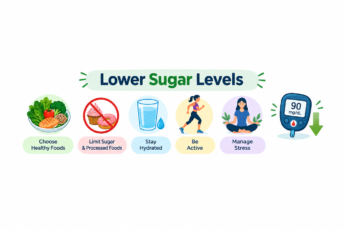

No Comments