
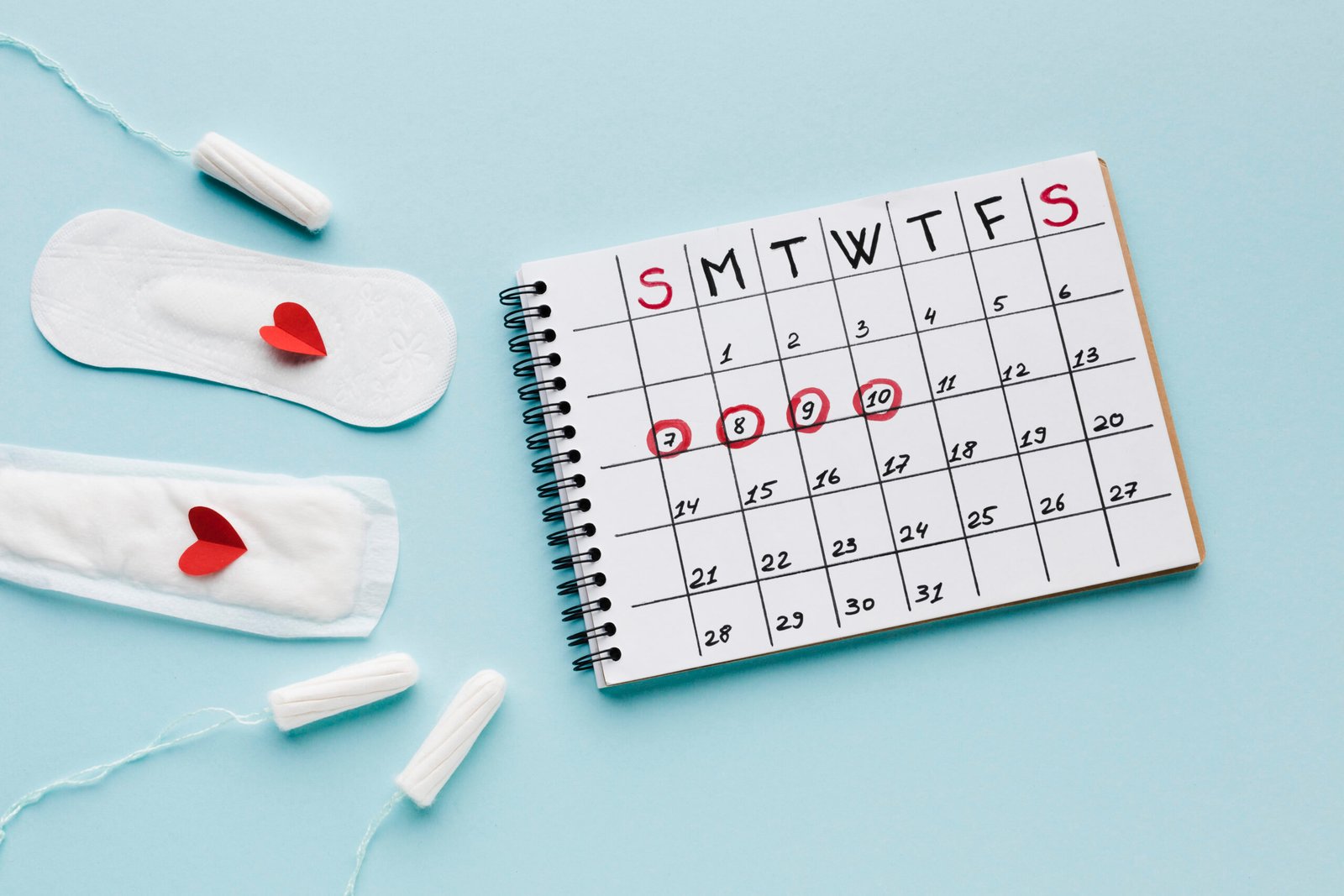
A healthy menstrual cycle is an essential indicator of a woman’s overall health and wellness. While many women experience regular menstrual cycles, others may face changes that affect their daily lives and reproductive health. Understanding what are menstrual disorders can help identify potential health concerns early and ensure timely treatment.
Menstrual disorders refer to conditions that affect the normal menstrual cycle, including changes in cycle length, flow, pain, or missed periods. These issues may occur due to hormonal imbalance, lifestyle changes, medical conditions, or underlying reproductive disorders.
What Is Menstrual Disorders?
Many people ask, what is menstrual disorders? It is a broad term used to describe any condition that disrupts a woman’s normal menstrual cycle. A disorder of menstruation may involve unusually heavy bleeding, absent periods, painful menstrual cramps, or irregular cycle timing.
Although occasional changes can be normal, persistent problems should not be ignored because they may indicate an underlying medical condition requiring professional evaluation.
Types of Menstruation Disorders
There are several types of menstruation disorders, each with different causes and symptoms. The most common include:
- Amenorrhea (absence of menstrual periods)
- Dysmenorrhea (painful menstruation)
- Menorrhagia (heavy menstrual bleeding)
- Oligomenorrhea (infrequent periods)
- Polymenorrhea (frequent periods)
- Premenstrual Syndrome (PMS)
- Premenstrual Dysphoric Disorder (PMDD)
These menstrual conditions vary in severity and may require different treatment approaches depending on the underlying cause.
Common Causes of Menstrual Disorders
Several factors can affect the menstrual cycle. Understanding the underlying causes of menstrual cycle changes plays a crucial role in proper evaluation and management.
Common causes include:
- Hormonal imbalance
- Polycystic Ovary Syndrome (PCOS)
- Thyroid disorders
- Pregnancy
- Stress and anxiety
- Rapid weight gain or loss
- Excessive exercise
- Certain medications
- Uterine fibroids
- Endometriosis
These factors are often the primary reason for change in menstrual cycle, although multiple causes may exist at the same time.
Symptoms of Menstrual Disorders
Symptoms vary depending on the condition. One of the most common questions women ask is what are the symptoms of irregular periods.
Common symptoms include:
- Heavy menstrual bleeding
- Very light periods
- Missed periods
- Severe menstrual cramps
- Spotting between periods
- Cycles shorter than 21 days or longer than 35 days
- Bleeding lasting more than seven days
- Sudden changes in cycle pattern
These may be considered signs of abnormal period, especially if they occur repeatedly over several months.
Menstrual Abnormalities to Watch For
Many women experience temporary menstrual abnormalities, but persistent issues deserve medical attention.
Examples include:
- Extremely heavy bleeding requiring frequent pad changes
- Passing large blood clots
- Severe pelvic pain
- Bleeding after menopause
- Irregular cycles that continue for several months
- Unexpected spotting between periods
If your menstrual cycle not normal becomes a recurring issue, it is advisable to consult a healthcare professional.
Problems of Periods in Different Age Groups
The problems of periods may vary depending on age.
Teenagers often experience irregular cycles as hormones stabilize after puberty. Women in their reproductive years may develop conditions such as PCOS or endometriosis. Meanwhile, irregular periods in 30s can result from stress, hormonal imbalance, pregnancy, thyroid disorders, or early signs of perimenopause.
Understanding the change of menstrual cycle reasons at different life stages helps women seek appropriate medical advice.
Women’s Problems With Periods
Many women’s problems with periods go beyond simple discomfort. Persistent menstrual issues may affect fertility, emotional health, work productivity, and overall quality of life.
Some women experience severe pain every month, while others struggle with unpredictable cycles or excessive bleeding. Early diagnosis often prevents complications and improves long-term reproductive health.
Menses Disease and Period Diseases
The term menses disease is commonly used to describe illnesses affecting menstruation. Similarly, period diseases include conditions such as PCOS, endometriosis, adenomyosis, uterine fibroids, and hormonal disorders.
These conditions often require medical evaluation through physical examination, blood tests, ultrasound, or other diagnostic procedures.
Diagnosis of Menstrual Disorders
Doctors diagnose menstrual disorders by reviewing your medical history, menstrual cycle pattern, symptoms, and lifestyle habits.
Diagnostic tests may include:
- Pelvic examination
- Blood hormone tests
- Pregnancy test
- Thyroid function test
- Pelvic ultrasound
- MRI in selected cases
- Endometrial biopsy when necessary
Early diagnosis improves treatment outcomes and reduces the risk of complications.
Drugs for Menstrual Disorders
Several drugs for menstrual disorders are available depending on the underlying cause.
Common treatment options include:
- Nonsteroidal anti-inflammatory drugs (NSAIDs)
- Hormonal birth control pills
- Progesterone therapy
- Tranexamic acid for heavy bleeding
- Thyroid medications
- Metformin for PCOS
- Iron supplements for anemia
Always take medications under the guidance of a qualified healthcare provider.
Yoga for Menstrual Disorders
Lifestyle modifications can significantly improve menstrual health. Many women benefit from yoga for menstrual disorders, which helps reduce stress, improve circulation, and support hormonal balance.
Regular yoga practice may also ease menstrual cramps, reduce anxiety, and improve overall well-being.
Yoga Asanas for Menstrual Disorders
Some effective yoga asanas for menstrual disorders include:
- Butterfly Pose (Baddha Konasana)
- Child’s Pose (Balasana)
- Cat-Cow Stretch
- Cobra Pose (Bhujangasana)
- Reclining Bound Angle Pose
- Legs-Up-the-Wall Pose
Practice these exercises under proper guidance, especially if you have severe pelvic pain or underlying gynecological conditions.
Prevalence of Menstrual Disorders in India
The prevalence of menstrual disorders in India is significant, with studies showing that many adolescent girls and adult women experience irregular periods, painful menstruation, or excessive bleeding. Factors such as nutritional deficiencies, lifestyle changes, stress, hormonal disorders, and limited awareness contribute to the burden of menstrual health issues. Improving education and access to healthcare can help women receive timely diagnosis and treatment.
When to See a Doctor
Seek medical attention if you experience:
- Severe pelvic pain
- Heavy bleeding lasting longer than seven days
- Missed periods without pregnancy
- Bleeding between periods
- Sudden major changes in cycle pattern
- Frequent dizziness or weakness during menstruation
Prompt evaluation helps identify the underlying cause and ensures appropriate treatment.
Conclusion
Menstrual disorders are frequently experienced by women, but persistent symptoms should always receive proper attention and care. Whether the issue involves irregular periods, painful menstruation, heavy bleeding, or hormonal imbalance, early diagnosis and proper treatment can improve quality of life. Maintaining a healthy lifestyle, managing stress, practicing yoga, and consulting a healthcare professional when symptoms persist are essential steps toward better menstrual health. Staying informed empowers women to recognize abnormal changes early and seek the care they need.
FAQs
1. Can menstrual disorders affect fertility?
Yes. Some menstrual disorders, especially those caused by PCOS, thyroid disease, or hormonal imbalance, may interfere with ovulation and affect fertility if left untreated.
2. Are irregular menstrual cycles always a cause for concern?
Not always. Occasional irregular cycles can occur due to stress, illness, or lifestyle changes. However, persistent irregularities should be evaluated by a doctor.
3. Can diet improve menstrual health?
Yes. A balanced diet rich in iron, calcium, vitamins, and whole grains supports hormonal balance and may reduce menstrual symptoms.
4. Is exercise helpful for menstrual disorders?
Moderate exercise and regular physical activity can improve blood circulation, reduce stress, help maintain a healthy weight, and support regular menstrual cycles.
5. When should I seek immediate medical care for menstrual problems?
You should seek immediate medical attention if you experience extremely heavy bleeding, severe pelvic pain, fainting, bleeding during pregnancy, or symptoms of severe anemia such as dizziness and shortness of breath.
Reference
https://pmc.ncbi.nlm.nih.gov/articles/PMC8935669/
https://en.wikipedia.org/wiki/Menstrual_disorder
0 200
No Comments