
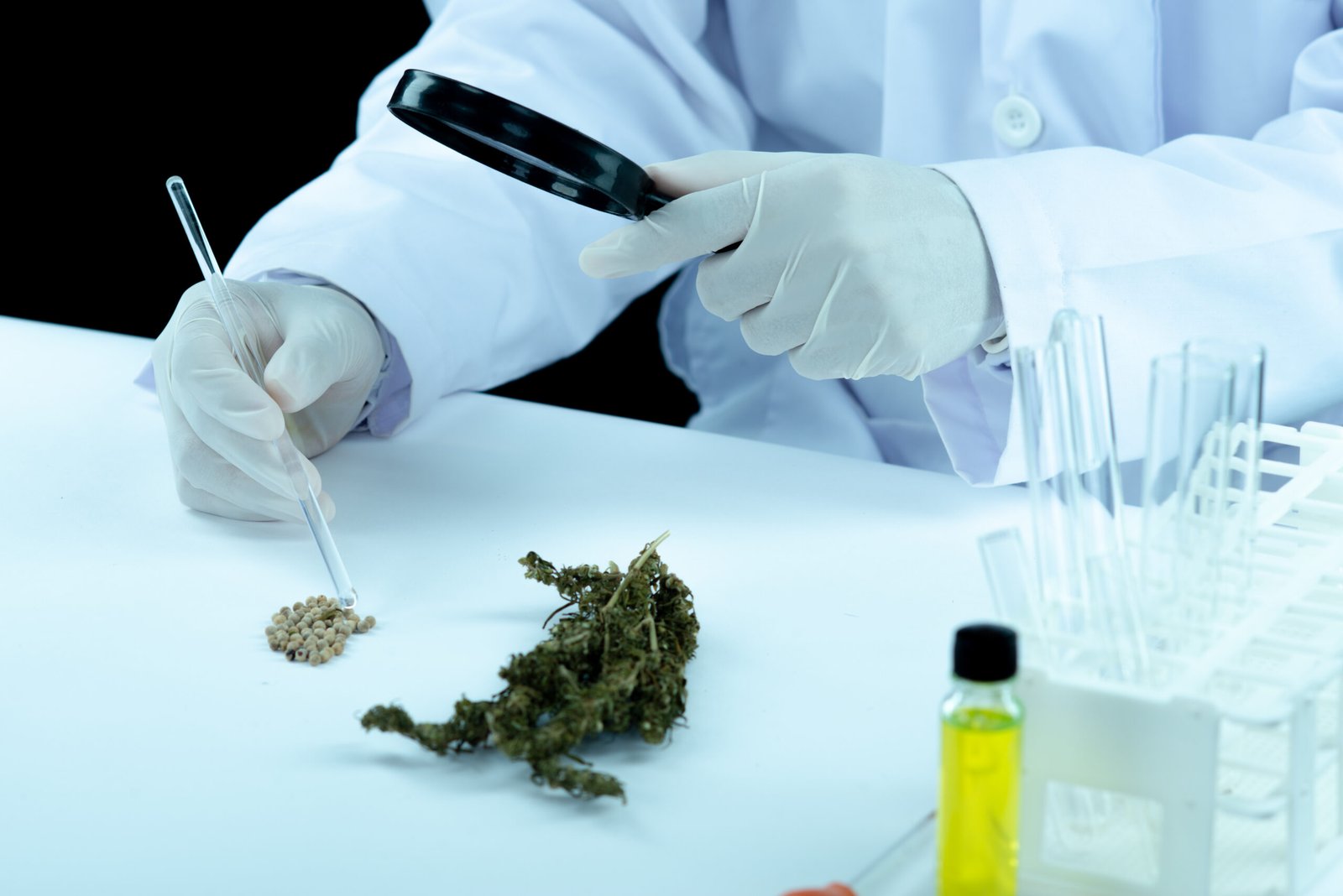
Kratom testing has become an increasingly discussed topic as kratom use grows worldwide. Kratom, a natural substance derived from the leaves of the Mitragyna speciosa tree, is often used for pain relief, energy enhancement, or mood support. While kratom is legal in some regions, it can still raise concerns in workplaces, legal cases, and healthcare settings. Understanding how kratom testing works can help individuals make informed decisions and avoid unexpected consequences.
What Is Kratom?
Kratom is a plant native to Southeast Asia. Kratom leaves contain active compounds such as mitragynine and 7-hydroxymitragynine that interact with opioid receptors in the brain, producing stimulating or sedative effects depending on the dose.
Although kratom is not classified as an illegal drug in many countries, it is not approved as a dietary supplement or medication in several regions. This legal gray area is one reason kratom testing has gained attention.
What Is Kratom Testing?
Kratom testing refers to laboratory methods used to detect kratom or its active compounds in the body. These tests are typically conducted using urine, blood, or saliva samples. Unlike standard drug tests, kratom testing is not commonly included in routine screenings.
Most employers, probation programs, or medical facilities must request a specific kratom test to detect its presence. Standard 5-panel or 10-panel drug tests usually do not screen for kratom.
Does Kratom Show Up on a Drug Test?
One of the most common questions about kratom testing is whether kratom shows up on a drug test. In most cases, kratom does not appear on standard drug tests. Traditional panels are designed to detect substances such as opioids, cocaine, marijuana, amphetamines, and benzodiazepines.
However, specialized tests can detect kratom by identifying mitragynine and related alkaloids. In some cases, kratom use may cause false positives for opioids, though this is rare and depends on the testing method.
Types of Kratom Testing Methods
1. Urine Testing
Urine testing is the most common and widely used method for kratom detection. Specialized urine tests can identify kratom alkaloids for several days after use. This method is cost-effective and widely used in the workplace and legal settings.
2. Blood Testing
Blood tests can detect kratom shortly after use, but the detection window is shorter than that of urine tests. Testing is usually used in medical or forensic situations rather than routine screenings.
3. Saliva Testing
Saliva tests can detect recent kratom use, typically within 24 hours. While convenient, saliva testing is less common for kratom due to limited availability.
4. Hair Testing
Hair testing can detect substances over a longer period, sometimes up to 90 days. However, kratom hair testing is rare and not widely used due to high costs and limited research.
How Long Does Kratom Stay in the Body?
The detection time for kratom varies depending on factors such as dosage, frequency of use, metabolism, body weight, and overall health. On average:
-
Kratom may be detectable in urine for 3 to 7 days
-
Heavy or long-term use may extend detection times
-
Blood and saliva tests usually detect kratom for a shorter period
Because kratom testing is specialized, detection times can differ between laboratories.
Why Is Kratom Testing Used?
Kratom testing may be required for several reasons:
-
Workplace drug policies: Some employers test for kratom due to safety concerns
-
Legal or probation requirements: Courts may require kratom testing even where it is legal
-
Medical monitoring: Doctors may test to assess substance interactions or side effects
-
Rehabilitation programs: Some rehabilitation programs prohibit kratom use during addiction recovery.
Even in places where kratom is legal, organizations may still prohibit its use.
Accuracy and Reliability of Kratom Testing
Modern kratom testing methods are generally accurate when performed by certified laboratories. Advanced techniques such as liquid chromatography mass spectrometry (LC-MS) reduce the risk of false positives.
However, inaccurate results can occur due to contamination, improper testing procedures, or cross-reactivity with other substances. If a test result is disputed, confirmation testing is often recommended.
Legal and Workplace Considerations
Kratom’s legality varies by country, state, and even by city or local regulations. Even where kratom is legal, employers may include it in their drug-free workplace policies. Failing a kratom test could result in disciplinary action, job loss, or legal consequences, depending on the situation.
It is important to review workplace policies and local regulations before using kratom. Being informed can help prevent unexpected outcomes related to kratom testing.
Final Thoughts on Kratom Testing
Kratom testing is not as common as testing for other substances, but it is becoming more relevant as kratom use increases. While kratom does not usually appear on standard drug tests, specialized tests can detect it accurately.
Understanding how kratom testing works, how long kratom stays in the body, and why testing may occur can help individuals make responsible and informed choices. Awareness is key when navigating legal, medical, or workplace environments involving kratom.
FAQs
1. Is kratom included in standard drug tests?
No, kratom is not usually included in standard drug panels.
2. How long does kratom stay detectable in urine?
Kratom may be detectable for 3 to 7 days, depending on usage.
3. Can kratom cause a false positive?
Rarely, kratom may cause false positives for opioids.
4. Why would an employer test for kratom?
Some employers test for safety, policy compliance, or legal reasons.
5. Are kratom tests accurate?
Yes, specialized lab tests are generally accurate and reliable
Reference
https://pmc.ncbi.nlm.nih.gov/articles/PMC10098727/
https://americanaddictioncenters.org/kratom/how-long-last
https://elevaterecoveryma.com/does-kratom-show-up-on-a-drug-test/
0 200

No Comments