
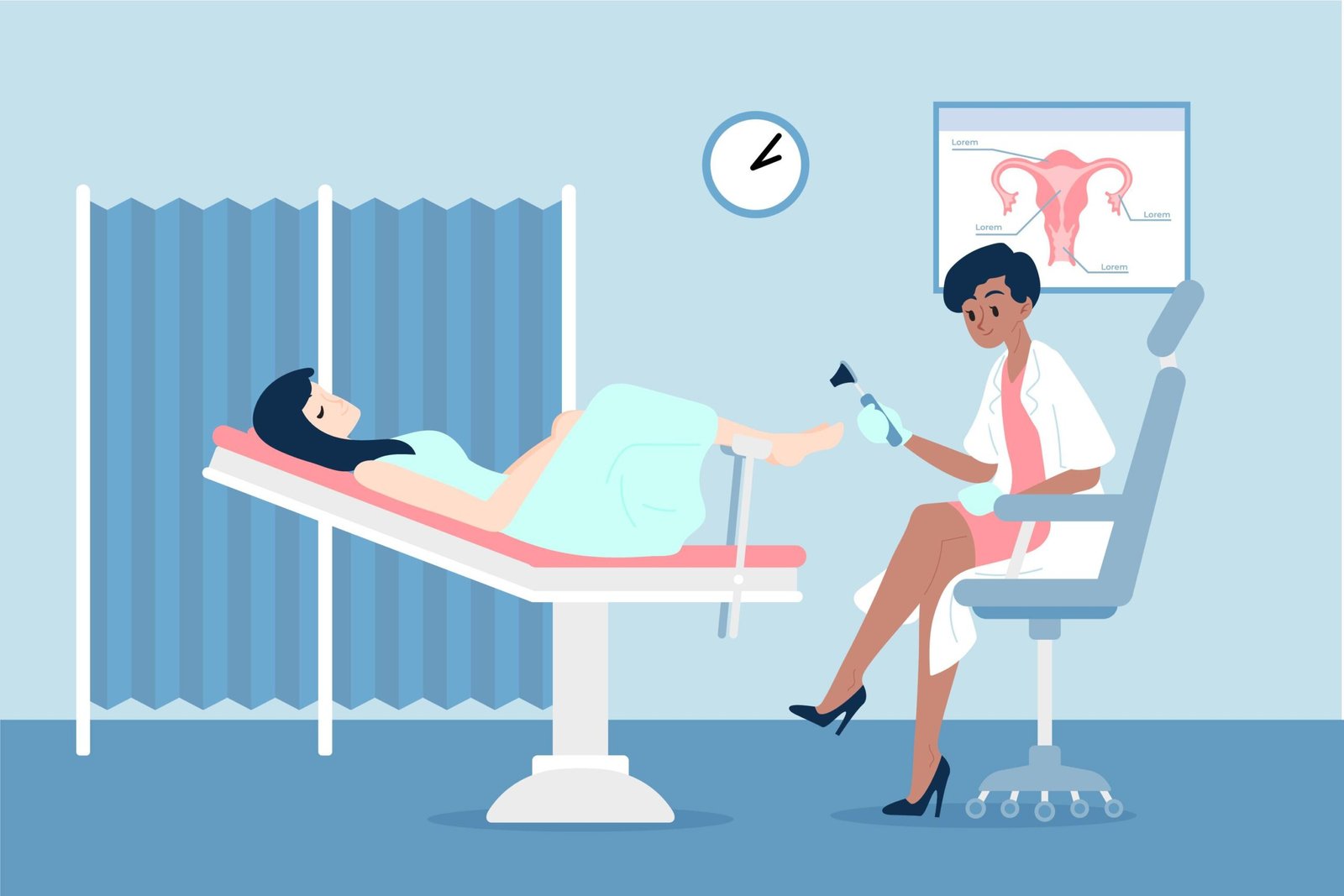
The pap smear test women rely on is one of the most important screening tests for preventing cervical cancer. Many people ask what is a pap smear and why doctors recommend it regularly. A Pap smear, also known as a Pap test, helps detect abnormal cells in the cervix before they develop into cancer. By detecting abnormal cervical cells early, doctors can begin treatment before the condition becomes more serious, making the Pap smear a vital part of women’s preventive healthcare.
Whether you’re getting your first screening or want to understand your results, this guide explains everything you need to know about the Pap smear test.
What Is a Pap Smear?
If you’ve ever wondered what is a pap smear, it’s a simple screening procedure that collects cells from the cervix—the lower part of the uterus that opens into the vagina. These cells are examined under a microscope to identify abnormal changes that may lead to cervical cancer.
Many people also search for what is pap smear for women because the test is specifically designed to detect precancerous and cancerous cervical cell changes. It does not diagnose ovarian or uterine cancer, but it plays a crucial role in protecting cervical health.
Some users mistakenly search what is pop test, but they are usually referring to the Pap test or Pap smear.
What Is the Papanicolaou Test?
You may come across the term papanicolaou test en ingles when searching online. “Papanicolaou test” is simply the medical name for the Pap smear, named after Dr. George Papanicolaou, who developed the screening method.
Regardless of the name used, the purpose remains the same—to detect abnormal cervical cells early.
Why Is a Pap Smear Important?
The pap smear test women undergo regularly helps identify abnormal cervical cells before they become cancerous. This early detection significantly reduces the risk of cervical cancer.
Doctors recommend routine screening because:
- Detects precancerous cell changes
- Helps identify cervical cancer early
- Improves treatment success
- Monitors cervical health
- Supports preventive healthcare
Regular screenings have dramatically reduced cervical cancer deaths worldwide.
Who Should Get a Pap Smear?
General screening recommendations include:
- Women should begin screening at age 21.
- For women aged 21–29, a Pap smear is typically recommended every three years when screening results remain normal.
- Ages 30–65: Pap smear every 3 years, or combined Pap and HPV testing every 5 years if appropriate.
- Women over 65 may no longer need routine screening if they have had consistently normal results and meet their healthcare provider’s criteria.
Your doctor may recommend more frequent testing if you have abnormal results, a weakened immune system, or other risk factors.
How Is the Procedure Performed?
Many women feel anxious before their first test, but the procedure is usually quick and straightforward.
During the examination:
- You’ll lie on an examination table.
- The healthcare provider gently places a speculum into the vagina to allow a clear view of the cervix.
- A soft brush or spatula collects cervical cells.
- The collected cell sample is then sent to a laboratory for detailed examination.
The pap smear test women receive usually takes only a few minutes, making it one of the quickest preventive health screenings available.
Pap Test: How Long Does It Take?
A frequently searched question is: “How long does a Pap test take?”
The actual sample collection generally takes less than five minutes, although the complete appointment may last around 15 to 30 minutes, including preparation and discussion with your healthcare provider.
Is a Pap Smear Test Painful?
Many women ask, is a pap smear test painful?
Most people experience little to no pain. Some may notice:
- Mild pressure
- Slight discomfort
- Brief cramping
- Light spotting afterwards
Relaxing your pelvic muscles and taking slow breaths can make the procedure more comfortable. If you feel intense pain at any point during the test, let your healthcare provider know right away.
How Should You Prepare?
Proper preparation helps improve test accuracy.
Before your appointment:
- Avoid sexual intercourse for 24–48 hours.
- Avoid vaginal creams or medications unless instructed.
- Do not douche.
- If possible, plan your Pap smear appointment for a time when you are not on your menstrual period.
These simple steps help ensure the laboratory receives the clearest possible sample.
Understanding Your Results
After the laboratory examines the collected cells, your doctor will explain the findings.
Possible results include:
Normal Results
No abnormal cervical cells are detected, and routine screening continues according to your age and risk factors.
Abnormal Results
An abnormal result does not necessarily mean cancer. It may indicate:
- Mild cell changes
- HPV infection
- Inflammation
- Precancerous changes requiring further evaluation
Your healthcare provider may suggest additional evaluations, such as an HPV test or colposcopy, to further assess any cervical changes.
Pap Test Results: Take How Long?
One of the most common questions is pap test results take how long or how long pap test results take.
Most laboratories return results within 1 to 3 weeks, although timing varies depending on the healthcare facility and laboratory workload. Your healthcare provider will contact you once your results are available and explain whether any follow-up is necessary.
Benefits of Regular Pap Smears
Routine Pap smears provide several important benefits:
- Early detection of cervical abnormalities
- Reduced cervical cancer risk
- Improved treatment outcomes
- Peace of mind
- Better long-term reproductive health
Because abnormal cells often develop without symptoms, regular screening remains essential even if you feel healthy.
Are There Any Risks?
Pap smears are considered extremely safe.
Minor side effects may include:
- Light spotting
- Mild cramping
- Temporary discomfort
Serious complications are very rare. If you experience heavy bleeding, fever, or severe pelvic pain after the procedure, contact your healthcare provider promptly.
Conclusion
The pap smear test women should include in their preventive healthcare routine remains one of the most effective methods for detecting cervical cell changes before they become cancerous. Understanding what is a pap smear, knowing is a pap smear test painful, and learning how long pap test results take can make the experience much less stressful. By following your healthcare provider’s recommended screening schedule, you can take an important step toward protecting your cervical health and overall well-being.
FAQs
1. What is a Pap smear?
A Pap smear is a cervical cancer screening test that collects cells from the cervix to detect abnormal or precancerous changes early.
2. Is a Pap smear test painful?
Most women experience only mild discomfort or pressure during the procedure. Severe pain is uncommon.
3. Pap test how long does it take?
The sample collection usually takes less than five minutes, while the full appointment generally lasts 15–30 minutes.
4. Pap test results take how long?
Most Pap smear results are available within 1–3 weeks, depending on the laboratory and healthcare provider.
5. What is pap smear for women?
A Pap smear for women is a preventive screening test that detects abnormal cervical cells early, helping reduce the risk of cervical cancer.
Reference
https://my.clevelandclinic.org/health/diagnostics/4267-pap-smear
https://www.mayoclinic.org/tests-procedures/pap-smear/about/pac-20394841
0 200
No Comments