
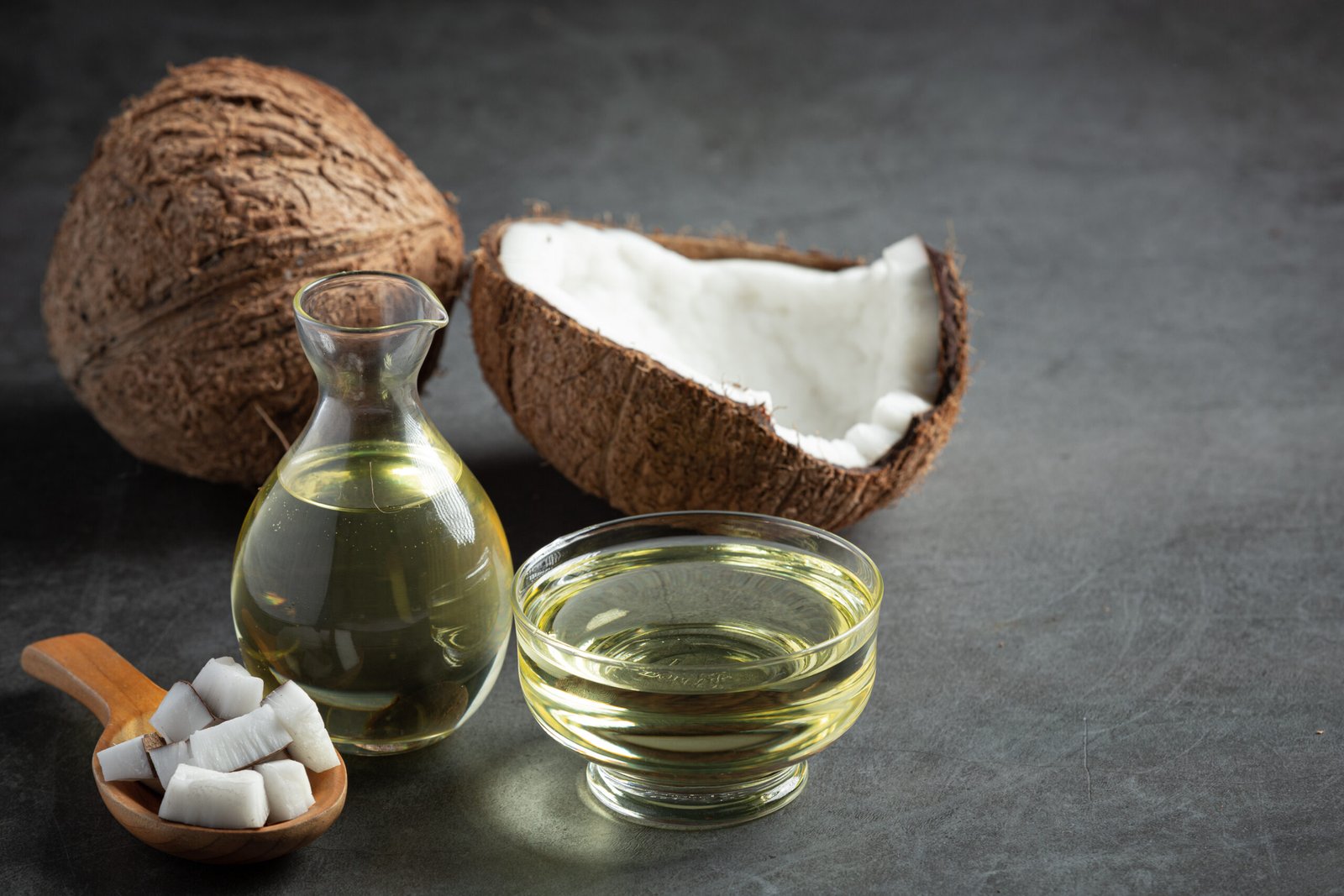
Coconut oil has become one of the most debated fats in modern nutrition. While many people view it as a “superfood,” others compare it to saturated fats such as beef fat and butter, questioning whether it is actually a healthy dietary option. The truth lies somewhere in between, depending on how it is used, the type of coconut oil consumed, and individual health needs.
Coconut oil is high in saturated fat—around 80–90%, which is similar to butter and higher than beef fat. However, different types of saturated fats do not affect the body in the same way. Coconut oil contains medium-chain triglycerides (MCTs), which are metabolized differently compared to long-chain fats found in animal products. This difference is what often fuels the debate.
When comparing coconut oil with butter and beef fat, it is important to look at cholesterol impact, heart health, and overall dietary balance. Butter and beef fat contain a mix of saturated and unsaturated fats, along with cholesterol, which may raise LDL (bad cholesterol) levels when consumed in excess. Oil, on the other hand, may raise both LDL and HDL (good cholesterol), making its effect more complex.
Types of Coconut Oil and Their Uses
Not all coconut oils are the same. The processing method plays a major role in quality, nutrition, and application.
Virgin oil is made by extracting oil from fresh coconut meat without using high heat or chemical processing.
Coconut oil, cold-pressed, is extracted using mechanical pressing at low temperatures. This extraction method helps retain nutrients and is commonly used for both cooking and skincare purposes.
Fractionated coconut oil is processed to remove long-chain fatty acids, leaving only MCTs. It stays liquid at room temperature and is commonly used in skincare, massage oils, and aromatherapy blends.
Parachute coconut oil is a popular refined coconut oil brand known for its wide use in India, especially for hair care and cooking. It is often used as an everyday household oil due to its affordability and availability.
Coconut Oil in Daily Life
Coconut oil has multiple applications beyond cooking. It is widely used in beauty, wellness, and traditional practices.
One of the most common uses is coconut oil for skin. It acts as a natural moisturizer and helps reduce dryness, especially in winter. Its antimicrobial properties may also help protect the skin barrier.
Another popular use is coconut oil for hair. Many people apply it to reduce protein loss, improve shine, and manage frizz. Regular oiling with oil has been a traditional practice in many cultures for centuries.
Coconut oil pulling is an ancient oral health practice where oil is swished in the mouth for several minutes. It is believed to reduce bacteria, improve oral hygiene, and support gum health, although it should not replace brushing or dental care.
Health Perspective: Is It Really Unhealthy?
The comparison of coconut oil with beef fat and butter often centers around concerns related to heart health. Nutrition experts suggest that while oil is not toxic, it should still be used in moderation due to its high saturated fat content.
Replacing all dietary fats with oil is not recommended. However, using it occasionally as part of a balanced diet may not be harmful for most healthy individuals. The key is overall dietary pattern—rich in vegetables, fiber, lean proteins, and healthy unsaturated fats like olive oil.
In contrast, regularly consuming butter and beef fat—particularly in processed or fried foods has been more strongly linked to a higher risk of cardiovascular health issues when eaten in excess.
Benefits and Limitations
oil offers some potential benefits:
- Provides quick energy due to MCT content
- May support skin hydration and barrier repair
- Has antimicrobial properties
- Stable at high cooking temperatures
However, limitations include:
- High in saturated fat
- May increase LDL cholesterol in some individuals
- Overuse can contribute to calorie excess
How to Use Coconut Oil Wisely
To get the best from oil, moderation and proper usage are essential. For cooking, it can be used for light sautéing or traditional recipes. For skincare and haircare, only small amounts are typically needed to get the desired benefits.
Combining oil with healthier fats like olive oil, nuts, and seeds can help maintain a balanced fat intake.
FAQs
1. Is coconut oil healthier than butter and beef fat?
Coconut oil is not necessarily healthier. It has a different fat structure, but it is still high in saturated fat. Moderation is key when comparing all three.
2. Can I use virgin oil daily?
Yes, virgin coconut oil can be used in small amounts daily, especially for skincare or light cooking, but it should not replace all other healthy oils.
3. What is the difference between cold-pressed oil and refined oil?
Coconut oil cold press retains more nutrients due to low-heat extraction, while refined oil is processed for a higher smoke point and neutral taste.
4. Is coconut oil good for hair growth?
Oil for hair helps reduce protein loss and improve hair strength, but it does not directly stimulate new hair growth.
5. What are the common uses of fractionated coconut oil?
Fractionated oil is commonly used in cosmetics, massage oils, and aromatherapy since it remains liquid at room temperature and absorbs easily into the skin.
Reference
https://www.healthline.com/nutrition/top-10-evidence-based-health-benefits-of-coconut-oil
https://www.webmd.com/vitamins/ai/ingredientmono-1092/coconut-oil
0 200

No Comments