

Attention-Deficit/Hyperactivity Disorder (ADHD) and anxiety are two mental health conditions that often make daily life more challenging. Many people with ADHD and anxiety treatment also experience anxiety, making focus, productivity, and emotional balance a daily challenge.
The good news is that effective ADHD options exist, ranging from therapy and medication to lifestyle strategies.
Understanding the right approach can help individuals improve focus, manage stress, and enhance overall well-being.
Understanding ADHD and Anxiety
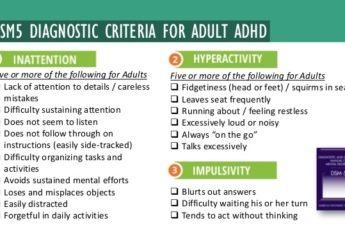
ADHD is a condition that affects brain development, causing challenges with focus, restlessness, and impulsive actions. It can affect work, school, and relationships. Common symptoms include difficulty staying organized, frequent distractions, restlessness, and impulsive decisions.
Anxiety, on the other hand, involves excessive worry, tension, and nervousness that can interfere with daily activities. Symptoms include rapid heartbeat, restlessness, irritability, and difficulty concentrating.
When ADHD and anxiety coexist, challenges can multiply. Poor focus due to ADHD can worsen anxiety, while anxiety can further disrupt attention and emotional regulation.
Therefore, a comprehensive ADHD and anxiety treatment plan is essential for long-term improvement.
Therapy-Based Treatment Strategies
Behavioral and cognitive therapies play a crucial role in managing both ADHD and anxiety:
1. Cognitive Behavioral Therapy (CBT)
CBT is highly effective for both anxiety management and ADHD-related challenges. It helps individuals identify negative thought patterns, develop coping strategies, and improve focus and organization.
CBT can also reduce anxiety triggers, providing a structured approach to emotional regulation.
2. Behavioral Therapy for ADHD
Behavioral therapy focuses on creating routines, setting clear goals, and using reinforcement strategies to improve attention and reduce impulsivity.
Techniques like reward systems, visual schedules, and time management tools help individuals with ADHD maintain focus and manage anxiety.
3. Mindfulness and Relaxation Techniques
Mindfulness practices, meditation, and deep breathing exercises reduce anxiety symptoms and enhance focus.
Incorporating mindfulness into daily routines allows individuals to pause, observe their thoughts without judgment, and respond calmly to stressors.
Medication Options
Medication can be an important component of ADHD and anxiety treatment, particularly when symptoms significantly affect daily functioning.
ADHD Medications
Stimulant medications such as methylphenidate and amphetamines are commonly prescribed for ADHD. They increase the levels of certain neurotransmitters in the brain, improving focus, attention, and self-control.
Non-stimulant medications like atomoxetine can also be effective for some individuals.
Anti-Anxiety Medications
For anxiety management, medications such as selective serotonin reuptake inhibitors (SSRIs) or serotonin-norepinephrine reuptake inhibitors (SNRIs) may be recommended.
These medications help regulate mood and reduce excessive worry without affecting ADHD symptoms negatively.
Combination Approaches
In many cases, a combination of ADHD and anti-anxiety medications may be carefully prescribed under medical supervision to address both conditions simultaneously.
Lifestyle Strategies to Improve Focus and Reduce Anxiety
Medication and therapy work best when combined with healthy lifestyle choices. Simple, daily strategies can significantly improve focus improvement and anxiety management:
1. Exercise Regularly
Staying active can boost your brain, make you feel happier, and ease stress. Activities like walking, swimming, or yoga can help manage both ADHD and anxiety symptoms.
2. Healthy Sleep Habits
Adequate, consistent sleep is critical for brain function, emotional regulation, and focus. Poor sleep can worsen both ADHD and anxiety symptoms.
3. Structured Routines
Maintaining a predictable daily schedule reduces stress and supports better time management, helping individuals with ADHD stay organized and calm.
4. Balanced Diet
A healthy diet rich in whole grains, fruits, vegetables, lean proteins, and omega-3 fatty acids supports cognitive function, energy, and emotional balance. Limiting sugar and processed foods can also reduce mood swings and anxiety.
5. Mindful Breaks
Short breaks during work or study sessions, deep breathing, or guided relaxation exercises can prevent overwhelm and enhance focus.
Technology and Tools for Focus
In today’s digital age, technology can support ADHD and anxiety treatment:
-
Task Management Apps: Tools like Trello or Todoist help track tasks and deadlines.
-
Focus Apps: Applications like Forest or Focus@Will use timers and structured sessions to enhance concentration.
-
Reminder Tools: Alarms, calendars, and notifications help manage routines and reduce forgetfulness.
Using technology wisely can complement therapy strategies and make daily life more manageable.
The Role of Support Systems
Family, friends, and support groups play a vital role in ADHD and anxiety management. Emotional support reduces stress, encourages healthy habits, and reinforces coping strategies.
Peer support groups or online communities also provide shared experiences and practical tips for dealing with daily challenges.
Conclusion
Managing ADHD and anxiety requires a comprehensive, individualized approach. Combining therapy, medication, lifestyle changes, and support systems can improve focus, reduce stress, and enhance overall quality of life.
By following structured routines, practicing mindfulness, maintaining a healthy diet, and seeking professional guidance, individuals can successfully manage symptoms and thrive in daily life.
FAQs
1. Can ADHD and anxiety occur together?
Yes, it’s common for individuals with ADHD to experience anxiety. Treating both conditions simultaneously can improve focus, emotional regulation, and daily functioning.
2. What therapy works best for ADHD and anxiety?
Cognitive Behavioral Therapy, or CBT, can help people manage both ADHD and anxiety successfully. Behavioral therapy, mindfulness, and structured routines also support symptom management.
3. Are there medications for ADHD and anxiety at the same time?
Yes, doctors may prescribe stimulant or non-stimulant ADHD medications along with SSRIs or SNRIs for anxiety, under careful supervision.
4. How can lifestyle changes improve focus and reduce anxiety?
Healthy habits like regular exercise, structured routines, sufficient sleep, balanced nutrition, and mindful breaks support brain function, emotional balance, and focus improvement.
5. Do support systems help in treatment?
Absolutely. Family, friends, peer groups, and therapists provide guidance, emotional support, and encouragement, which is essential for long-term success in ADHD and anxiety management.
Reference
https://creyos.com/blog/treating-adhd-and-anxiety-comorbidity
https://www.mayoclinic.org/diseases-conditions/adult-adhd/diagnosis-treatment/drc-20350883
https://www.charliehealth.com/post/best-adhd-medication-for-adults-with-anxiety
0 200
No Comments