
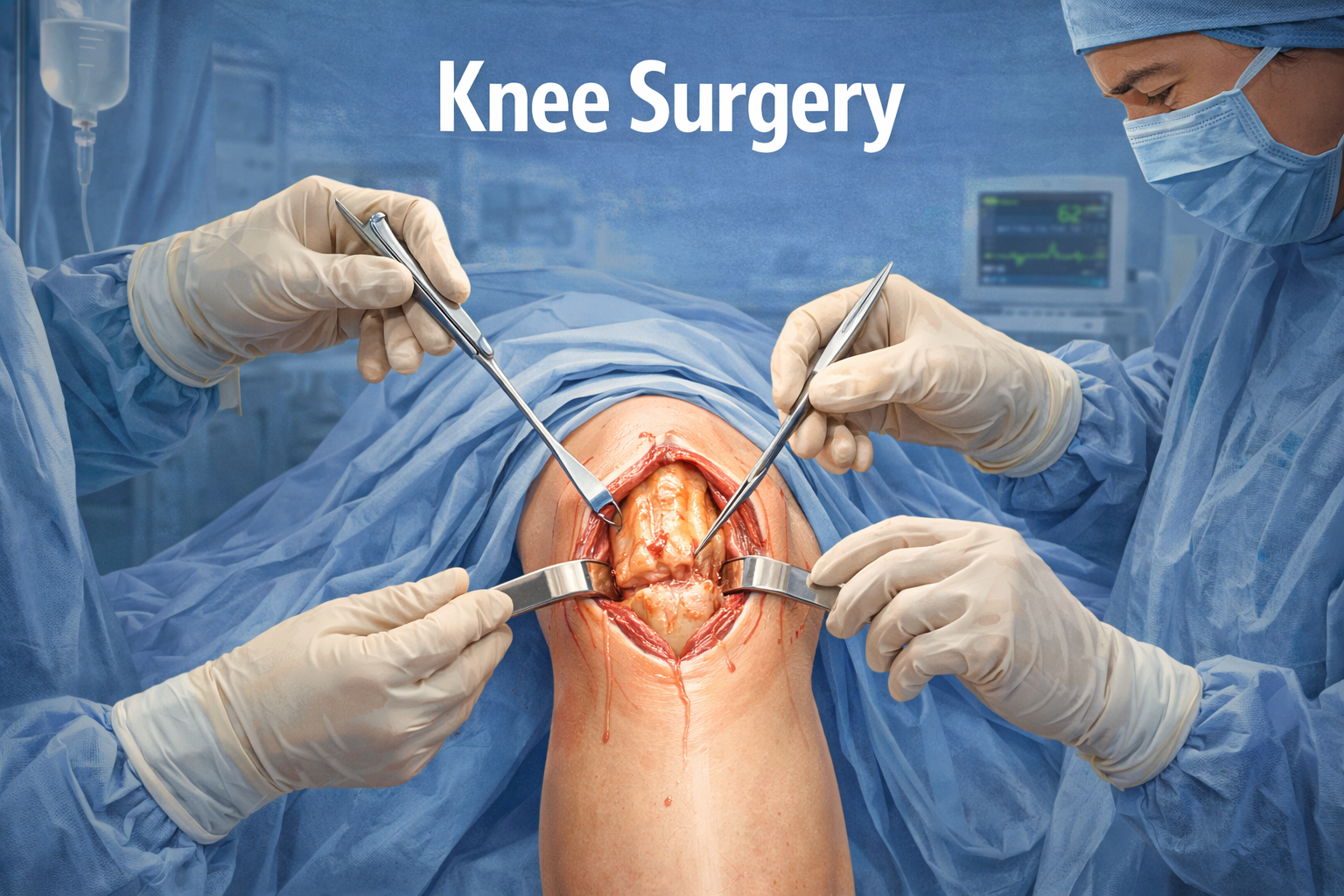
Knee problems can significantly impact mobility and quality of life. For many, knee surgery becomes the best option to relieve pain, improve function, and restore movement. Whether you are considering surgery, knee replacement, robotic surgery, orarthroscopic arthroscopic procedures, understanding what to expect before and after surgery can help reduce anxiety and improve recovery outcomes.
Types of Knee Surgery
There are several types of surgery depending on the condition being treated:
-
Knee Surgery Knee Replacement
This is often recommended for severe arthritis or joint damage. In a total knee replacement, the damaged surfaces of the knee joint are replaced with artificial components. Partial replacements target only the affected part of the knee, preserving healthy tissue. -
Robotic Surgery Replacement
Robotic-assisted knee replacement is a modern approach that uses computer-guided robotic systems to enhance precision. This method allows for better alignment of the implants and may improve long-term outcomes. -
Knee Surgery Arthroscopic
Arthroscopic surgery is minimally invasive and used for repairing cartilage, removing loose fragments, or treating ligament injuries. Small incisions and a camera allow the surgeon to visualize the knee joint and perform repairs with minimal disruption.
Each procedure has unique benefits and recovery expectations, but all share common pre- and post-operative considerations.
Preparing for Knee Surgery
Proper preparation can improve the success of surgery procedures and reduce complications. Key steps include:
-
Medical Evaluation
Your surgeon will review your medical history, perform physical exams, and order imaging tests such as X-rays or MRIs. Blood work may also be required to ensure you are fit for surgery. -
Medication Management
Certain medications, particularly blood thinners, might need to be temporarily stopped before surgery. Always consult your healthcare provider about your prescriptions beforehand. -
Physical Preparation
Strengthening exercises for surrounding muscles, particularly the quadriceps and hamstrings, can improve post-operative recovery. Your surgeon or physical therapist may provide a prehabilitation plan. -
Home Preparation
Arrange your home for easier mobility after surgery. This may include placing frequently used items within reach, using supportive chairs, and preparing meals in advance.
What to Expect During Knee Surgery
During surgery, knee replacement, or robotic surgery, anesthesia is administered to ensure comfort. The procedure duration varies:
-
Knee Replacement Surgery: Usually takes 1–2 hours.
-
Robotic Knee Surgery Replacement: May take slightly longer due to pre-operative mapping and robotic guidance.
-
Surgery Arthroscopic: Typically 30–90 minutes, depending on the complexity.
Surgeons remove damaged tissue, repair ligaments, or implant prosthetic components. In robotic procedures, a computer system helps guide precise cuts and placement, potentially improving alignment and longevity.
Recovery After Knee Surgery
Recovery depends on the type of surgery performed. Here’s what to expect:
-
Hospital Stay
-
Knee replacement patients may stay 2–4 days.
-
Robotic surgery replacement often has similar hospitalization but may allow faster mobilization.
-
Arthroscopic surgery is usually outpatient, with same-day discharge.
-
Pain Management
Pain and swelling are common post-surgery. Pain medications, ice therapy, and elevation help manage discomfort. -
Physical Therapy
Rehabilitation is crucial. Physical therapy begins shortly after surgery to restore strength, flexibility, and range of motion. Consistency with exercises can significantly impact outcomes. -
Mobility Aids
Crutches, walkers, or knee braces may be used initially. Gradual weight-bearing and mobility exercises are introduced as healing progresses. -
Lifestyle Adjustments
Avoid high-impact activities until cleared by your surgeon. Low-impact exercises like swimming or cycling are encouraged during recovery.
Risks and Complications
While surgery is generally safe, risks include:
-
Infection
-
Blood clots
-
Nerve or blood vessel damage
-
Stiffness or limited range of motion
-
Implant loosening (in knee replacement cases)
Following your surgeon’s instructions and attending all follow-ups reduces these risks.
Long-Term Expectations
The majority of patients enjoy substantial pain relief and enhanced mobility after surgery. surgery, knee replacement,t can last 15–20 years or longer, especially with proper care. Robotic-assisted replacements may offer more precise outcomes, potentially enhancing longevity. Surgery, arthroscopic procedures can allow faster recovery and return to daily activities.
Tips for a Successful Recovery
-
Attend all physical therapy sessions
-
Follow your prescribed exercise routine at home
-
Keep a healthy weight to minimize pressure and strain on your knee.
-
Avoid smoking, which can slow healing
-
Stay consistent with post-operative follow-ups
FAQs
1. What is the difference between knee replacement and arthroscopic surgery?
Surgery, knee replacement, involves replacing damaged joint surfaces with artificial components, suitable for severe arthritis or joint damage. Knee arthroscopy is minimally invasive, used for repairing cartilage, removing loose fragments, or addressing ligament injuries. Recovery is typically faster for arthroscopic procedures.
2. How long does it take to recover from robotic knee replacement?
Recovery varies, but most patients start walking with assistance within a day or two. Physical therapy continues for 6–12 weeks, and full activity is usually resumed in 3–6 months. Robotic assistance may improve implant alignment and recovery outcomes.
3. What should I expect immediately after knee surgery?
After surgery, knee replacement, or arthroscopic procedures, expect pain, swelling, and limited mobility. Hospital stays range from same-day discharge for arthroscopy to 2–4 days for replacement. Pain management, elevation, ice therapy, and early movement are essential for healing.
4. Can I walk normally after knee surgery?
Initially, you may need crutches or a walker. Gradual weight-bearing exercises and physical therapy help restore normal walking. Most patients regain regular mobility within a few weeks to months, depending on the procedure type.
5. Are there long-term risks with knee surgery?
Long-term risks include implant wear or loosening (for replacements), stiffness, and occasional pain. Following post-operative care, maintaining a healthy weight, and avoiding high-impact activities can minimize these risks and maximize the success of surgery, knee replacement, or robotic surgery replacement.
Reference
https://www.mayoclinic.org/tests-procedures/knee-replacement/about/pac-20385276
https://my.clevelandclinic.org/health/treatments/8512-knee-replacement
0 200

No Comments