
Hypertension, commonly known as high blood pressure, is a long-term medical condition where the force of blood pushing against the walls of your arteries remains consistently too high. Over time, this extra pressure can damage blood vessels and increase the risk of serious health problems such as heart disease, stroke, and kidney failure. Understanding hypertension what is hypertension and how it develops, is the first step toward prevention and control.
What is Hypertension?
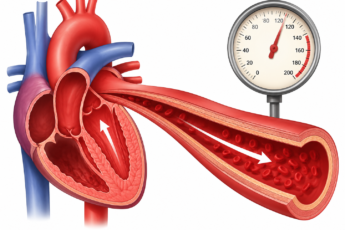
To answer what is hypertension, it is important to understand blood pressure itself. Blood pressure is measured with two readings: systolic, which shows the pressure when the heart beats, and diastolic, which indicates the pressure when the heart is resting between beats. When these readings stay above normal levels over time, the condition is called hypertension.
Many people often ask what is considered hypertension. Generally, a blood pressure reading of 130/80 mmHg or higher is considered hypertensive, depending on medical guidelines. It is often called a “silent killer” because it may not show obvious symptoms in the early stages.
Types of Hypertension
There are different types and stages of high blood pressure, each with varying levels of severity.
What is Essential Hypertension?
What is essential high blood pressure refers to high blood pressure that develops gradually over time without any identifiable cause. It is the most common type and is often linked to lifestyle factors such as poor diet, stress, lack of exercise, obesity, and genetics.
What is Stage 1 Hypertension?
Many people search for what is stage 1 high blood pressure. This is the early stage where blood pressure readings typically range between 130–139 systolic or 80–89 diastolic. At this stage, lifestyle changes are usually recommended before medication.
What is Stage 2 Hypertension?
What is stage 2 high blood pressure refers to a more serious condition where blood pressure is 140/90 mmHg or higher. At this stage, doctors often prescribe medication along with strict lifestyle changes to prevent complications.
What is Pulmonary Hypertension?
Another important condition is what is pulmonary high blood pressure. Unlike regular hypertension, this affects the arteries in the lungs and the right side of the heart. It is less common but more serious, often causing symptoms like shortness of breath, fatigue, and chest pain.
What is High Hypertension?
The term what is high high blood pressure is often used informally. Still, medically, it refers to severely elevated blood pressure levels that increase the risk of immediate health complications such as a heart attack or stroke.
Causes and Risk Factors
- Excess salt intake
- Unhealthy diet
- Lack of physical activity
- Stress and anxiety
- Smoking and alcohol consumption
- Family history
- Aging
These factors can lead to what many call pressure high blood pressure, a general term used to describe consistently high arterial pressure caused by lifestyle and genetic influences.
Symptoms of Hypertension
High blood pressure is often symptomless, which makes regular monitoring important.
- Headaches
- Dizziness
- Blurred vision
- Chest discomfort
- Shortness of breath
- Nosebleeds
Because symptoms appear late, many people do not realize they have the condition until complications arise.
Health Risks of Untreated Hypertension
If not treated, high blood pressure can harm vital organs. It increases the risk of:
- Heart attack and heart failure
- Stroke
- Kidney disease
- Vision loss
- Cognitive decline
This is why early diagnosis and lifestyle management are crucial.
Nutrition Diet for Hypertension
A proper nutrition diet for hypertension plays a key role in managing blood pressure. The DASH diet is widely recommended.
Key dietary tips include:
- Eat more fruits and vegetables
- Choose whole grains over refined grains
- Reduce salt (sodium) intake
- Avoid processed and packaged foods
- Include lean proteins like fish and legumes
- Limit sugar and saturated fats
Foods that are high in potassium, magnesium, and fiber can naturally help support healthy blood pressure levels.
Managing Hypertension Naturally
Making positive changes to your daily routine can effectively improve blood pressure levels. Some effective strategies include:
- Regular physical exercise (at least 30 minutes daily)
- Maintaining a healthy weight
- Reducing stress through meditation or yoga
- Quitting smoking
- Limiting alcohol intake
- Monitoring blood pressure regularly
Combining these habits helps control high blood pressure and reduces dependency on medication in the early stages.
Conclusion
Understanding what high blood pressure is is essential for maintaining long-term heart health. Whether it is what is stage 1 high blood pressure, what is stage 2 hypertension, or more serious conditions like what is pulmonary high blood pressure, early awareness and proper management are key. With the right lifestyle choices and a balanced nutrition diet for hypertension, most people can successfully control their blood pressure and reduce health risks.
FAQs
1. What is hypertension in simple words?
Hypertension is a condition where blood pressure in the arteries is consistently higher than normal, putting extra strain on the heart and blood vessels.
2. What causes high blood pressure?
Common causes include unhealthy diet, excess salt intake, lack of exercise, stress, obesity, smoking, and genetic factors.
3. Can hypertension be cured completely?
In most cases, high blood pressure cannot be fully cured, but it can be controlled effectively with lifestyle changes and medication.
4. What foods should be avoided in hypertension?
People with high blood pressure should avoid salty foods, processed snacks, fried foods, sugary drinks, and excessive caffeine.
5. How can I naturally lower blood pressure?
You can lower blood pressure by eating a healthy diet, exercising regularly, reducing salt intake, managing stress, and maintaining a healthy weight.
Reference
https://my.clevelandclinic.org/health/diseases/4314-hypertension-high-blood-pressure
https://www.mayoclinic.org/diseases-conditions/high-blood-pressure/symptoms-causes/syc-20373410
0 200
No Comments