
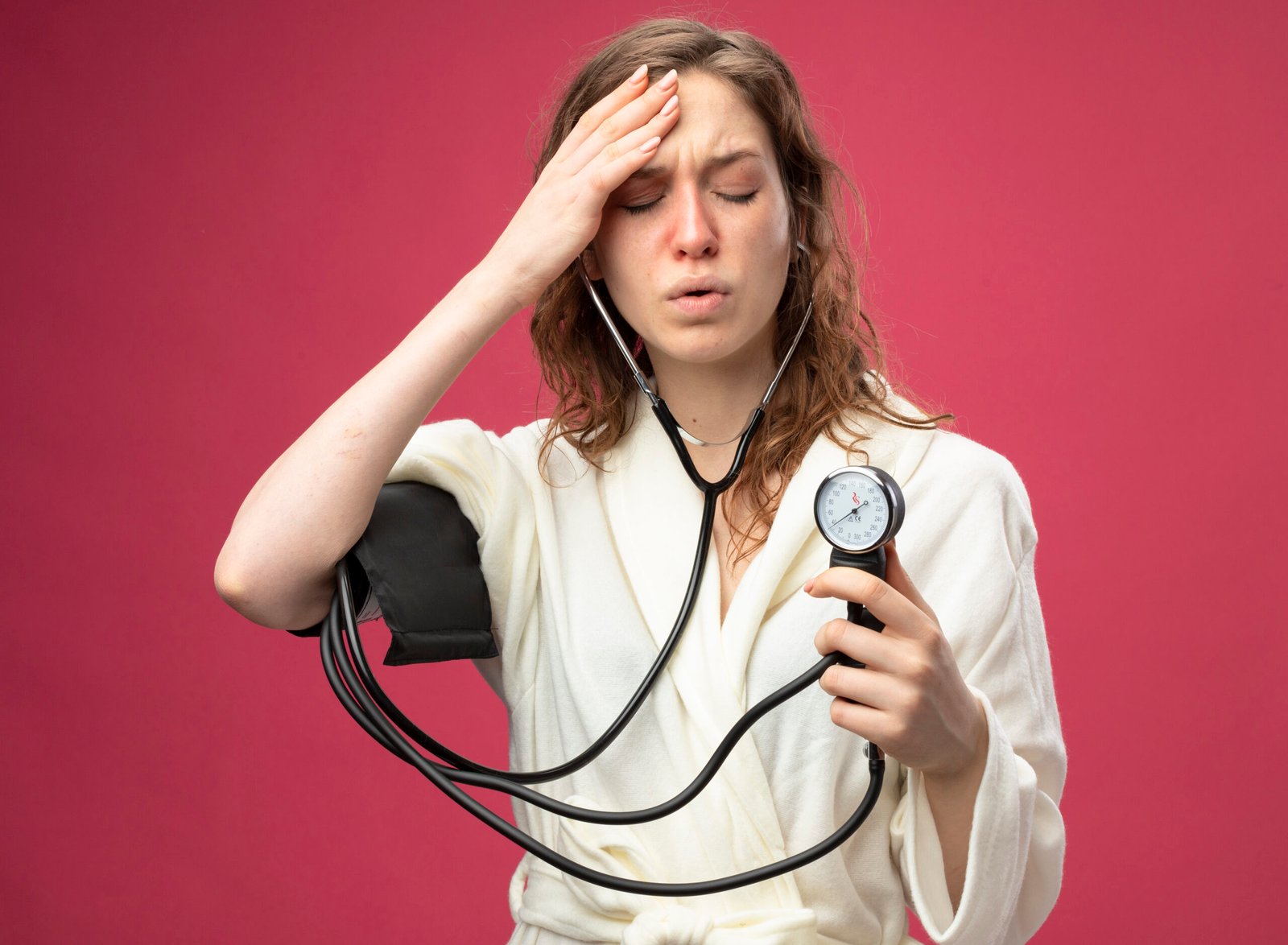
blood pressure, also known as hypertension, is one of the most common health conditions around the world. Many people have it without even knowing, because it often shows no symptoms. Even though it is silent, it can affect your heart, blood vessels, and overall health over time. The good news is that high blood pressure can be managed with the right lifestyle habits and proper care. This beginner-friendly guide explains what blood pressure is, why it matters, how it is measured, and what you can do to maintain healthy levels.
What Is High Blood Pressure?
Blood pressure is the force exerted by circulating blood on the arterial walls during each heartbeat.Your heart pumps blood to supply oxygen and nutrients throughout your body. When this pressure becomes higher than normal for a long time, it is called high blood pressure.
Hypertension happens gradually. You may not feel any discomfort, but your heart and arteries work harder than they should. Over time, this can affect the health of your cardiovascular system. Understanding the basics helps you take early steps to protect your heart.
How Is Blood Pressure Measured?
Blood pressure is the force exerted by circulating blood on the inner walls of your arteries during each heartbeat.
-
Systolic pressure (top number):
This is the pressure created when your heart beats and pushes blood out into your arteries. -
Diastolic pressure (bottom number):
The pressure when your heart relaxes between beats.
Both numbers are important. A reading higher than the normal range can indicate increased pressure on your arteries.
General Blood Pressure Categories
| Category | Systolic (mmHg) | Diastolic (mmHg) |
|---|---|---|
| Normal | Below 120 | Below 80 |
| Elevated | 120–129 | Below 80 |
| High Blood Pressure Stage 1 | 130–139 | 80–89 |
| High Blood Pressure Stage 2 | 140+ | 90+ |
These numbers help your healthcare provider understand your range and guide you for healthier choices.
Why Does High Blood Pressure Happen?
High blood pressure can develop due to many factors. Some are under your control, while others are not.
Common Causes
-
Unhealthy food habits, especially too much salt
-
Lack of physical activity
-
Stress or poor sleep
-
Being overweight
-
Smoking or frequent alcohol use
-
Family history or genetics
-
Age-related changes in arteries
Not everyone with these factors will develop hypertension, but they increase the chances. Understanding these causes helps you build a healthier lifestyle.
Is High Blood Pressure Dangerous?
High blood pressure does not cause pain or noticeable signs in most people. That is why many call it a “silent” issue. However, long-term high pressure inside your arteries can strain your heart and blood vessels.
Keeping your blood pressure in a healthy range supports better heart function and overall well-being.
Signs You Should Not Ignore
Although most people feel normal, some may notice:
-
Frequent headaches
-
Feeling tired more than usual
-
Dizziness
-
Nosebleeds
-
Shortness of breath during activities
These signs do not always mean you have blood pressure, but it’s wise to get checked if they happen often.
How Lifestyle Affects Blood Pressure
Your daily habits play a big role in your blood pressure levels. Small, consistent changes can support your heart health.
Healthy Food Choices
A balanced diet helps maintain stable blood pressure. Tips include:
-
Eating more fruits and vegetables
-
Choosing whole grains
-
Reducing excess salt in food
-
Limiting packaged or processed foods
Staying Active
Regular movement improves blood circulation. Simple activities like walking, cycling, light jogging, or yoga can make a difference.
Maintaining a Healthy Weight
A healthy weight reduces strain on your heart. Even small weight changes can support better blood pressure levels.
Managing Stress
Deep breathing, meditation, hobbies, and spending time with loved ones can help you feel more relaxed.
Avoiding Smoking and Limiting Alcohol
Lifestyle choices like avoiding tobacco and consuming alcohol in moderate amounts support healthier blood pressure.
How High Blood Pressure Is Diagnosed
A healthcare professional checks your blood pressure with a cuff and monitor. They may measure it more than once to confirm your average reading. A single high reading does not always mean you have hypertension consistent readings matter.
Some people also use home blood pressure monitors to track their levels. This helps identify trends and understand how lifestyle habits affect readings.
Simple Tips to Help Maintain Healthy Blood Pressure
You can take active steps every day to support a healthy blood pressure range:
-
Drink enough water
-
Keep your salt intake moderate
-
Add leafy greens, bananas, and fiber-rich foods to your meals
-
Try to stay active for at least 30 minutes on most days of the week.
-
Get 7–8 hours of sleep
-
Keep a check on stress
-
Follow healthcare guidance regularly
Consistency is more important than perfection. Small steps add up over time.
When to Seek Medical Advice
You should connect with a healthcare professional if:
-
Your home readings are consistently high
-
You experience symptoms like chest discomfort or shortness of breath
-
You have a family history of hypertension
Early guidance helps manage your health effectively.
Conclusion
blood pressure is common, but understanding it empowers you to take control. It develops silently, so regular checkups and simple lifestyle habits make a big difference. Eating nutritious foods, staying active, sleeping well, and managing stress can support your heart and overall wellness. With awareness and everyday care, you can maintain a healthier blood pressure range and protect your long-term health.
FAQs
1: What is blood pressure?
blood pressure is when the force of blood against your artery walls stays higher than normal for a long time.
2: What are the normal blood pressure numbers?
A normal reading is usually around 120/80 mmHg.
3: What causes blood pressure?
Common causes include too much salt, stress, lack of exercise, family history, aging, and unhealthy lifestyle habits.
4: Can high blood pressure show symptoms?
Most people feel no symptoms, but some may experience headaches, dizziness, or tiredness.
5: How can I reduce blood pressure naturally?
Healthy eating, regular exercise, reducing salt, good sleep, and managing stress can help support better blood pressure levels.
Reference:
https://www.mayoclinic.org/diseases-conditions/high-blood-pressure/symptoms-causes/syc-20373410
https://my.clevelandclinic.org/health/diseases/4314-hypertension-high-blood-pressure
https://www.heart.org/en/health-topics/high-blood-pressure/the-facts-about-high-blood-pressure
0 200
No Comments