
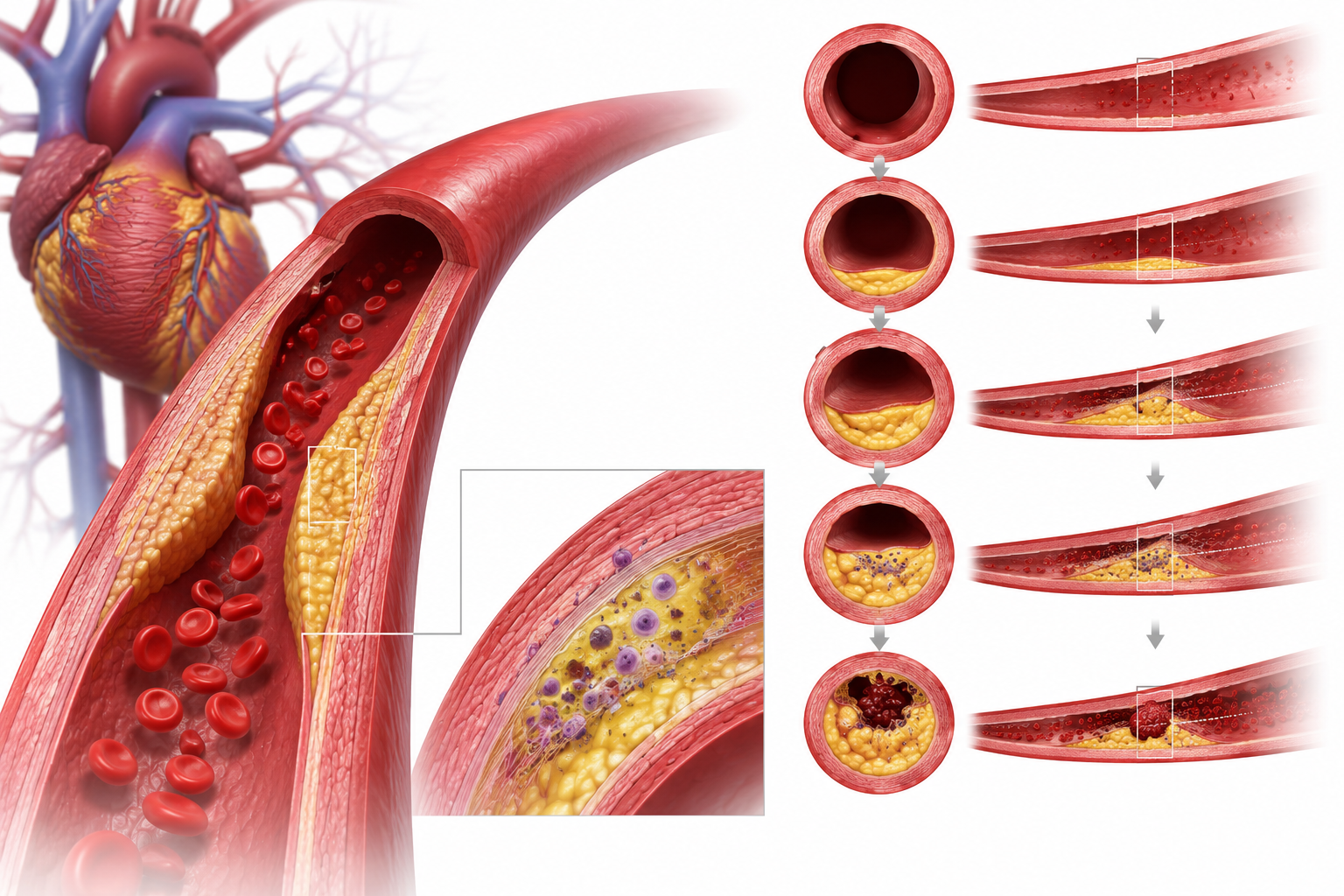
Atherosclerosis is one of the most common and serious conditions affecting the heart and blood vessels. In simple terms, atherosclerosis meaning refers to the buildup of fatty deposits inside the arteries, which restricts blood flow to vital organs. This condition is also known as hardening of the arteries and is a major cause of heart disease and stroke worldwide.
Understanding what is atherosclerosis disease is important because it develops slowly over time and may not show symptoms until it becomes severe. It is closely linked with atherosclerosis and cardiovascular disease, making it a major global health concern.
Atherosclerosis Definition
The atherosclerosis definition is the process in which fatty substances, cholesterol, calcium, and cellular waste build up inside the inner walls of arteries. This buildup forms a substance called atherosclerotic plaque, which gradually narrows the arteries and reduces blood flow.
This condition is commonly referred to as plaque buildup in arteries, and it can affect arteries throughout the body, including those in the heart, brain, and limbs.
What Causes Plaque in Arteries?
Many people ask what causes plaque in arteries. The development of plaque in arteries happens when the inner lining of arteries is damaged. The body tries to repair this damage by depositing fat and cholesterol, which eventually forms plaque.
Common causes include:
- High LDL (bad cholesterol)
- Smoking
- High blood pressure
- Diabetes
- Obesity
- Sedentary lifestyle
- Poor diet high in fats and sugar
These factors contribute to ongoing damage and buildup, leading to narrowed arteries and reduced blood flow.
Atherosclerosis Signs and Symptoms
The atherosclerosis signs often appear only when arteries become significantly narrowed. In the early stages, the condition often shows no noticeable symptoms.
Common symptoms include:
- Chest pain or discomfort (angina)
- Shortness of breath
- Cold or numb limbs
- Weakness or fatigue
- Dizziness or confusion
When blood flow is severely blocked, it may lead to a heart attack or stroke, making early detection very important.
How Atherosclerosis Affects the Body
Atherosclerosis affects the entire cardiovascular system. Since it directly impacts blood flow, it is a major factor in atherosclerosis and cardiovascular disease.
When arteries are narrowed due to plaque buildup in arteries, the heart must work harder to pump blood. This can lead to:
- Coronary artery disease
- Peripheral artery disease
- Stroke
- Heart attack
- Kidney damage
The condition progresses slowly but can have life-threatening consequences if untreated.
Atherosclerosis Treatment Options
Effective atherosclerosis treatment focuses on slowing the progression of the disease, improving blood flow, and reducing the risk of complications.
Lifestyle Changes
Medications
Doctors may prescribe:
- Statins to lower cholesterol
- Blood pressure medications
- Antiplatelet drugs to prevent clots
Surgical Procedures
In advanced cases:
- Angioplasty (to open blocked arteries)
- Stent placement
- Bypass surgery
Treatment depends on the severity of plaque buildup and overall health condition.
Prevention of Atherosclerosis
Preventing hardening of the arteries is possible with healthy lifestyle habits. Since plaque buildup develops over time, prevention plays a key role.
Key prevention tips include:
- Controlling cholesterol levels
- Managing blood pressure and diabetes
- Exercising regularly
- Eating a balanced diet
- Reducing stress levels
These habits help reduce the risk of developing atherosclerosis and cardiovascular disease.
Risk Factors
Several factors can raise the risk of developing atherosclerosis.
- Age (risk increases with age)
- Family history of heart disease
- High cholesterol
- Smoking habits
- Diabetes
- High blood pressure
Understanding these risks can help in early prevention and timely treatment.
Complications
If left untreated, plaque in arteries can lead to serious complications such as:
- Heart attack
- Stroke
- Aneurysm
- Chronic kidney disease
- Loss of limb circulation
This is why early diagnosis and treatment of hardening of the arteries are very important.
Conclusion
Atherosclerosis is a progressive disease that affects millions of people worldwide. Learning the atherosclerosis definition, its causes, symptoms, and treatment options can help in early detection and prevention. With proper lifestyle changes and medical care, the progression of atherosclerotic plaque can be slowed, reducing the risk of serious cardiovascular problems.
FAQs
1. What is hardening of the arteries?
Atherosclerosis is a condition where arteries become narrowed due to plaque buildup, reducing blood flow and increasing health risks.
2. What causes plaque in arteries?
Plaque in the arteries is caused by high cholesterol, smoking, high blood pressure, diabetes, poor diet, and lack of exercise.
3. What are the early hardening of the arteries signs?
Early signs of atherosclerosis may include fatigue, chest discomfort, and reduced blood circulation, although many people initially have no symptoms.
4. Can hardening of the arteries be treated?
Yes, atherosclerosis treatment includes lifestyle changes, medications, and in severe cases, surgical procedures like stents or bypass surgery.
5. Is hardening of the arteries reversible?
It cannot be fully reversed, but its progression can be controlled and slowed with proper treatment and lifestyle changes.
Reference
https://my.clevelandclinic.org/health/diseases/16753-atherosclerosis-arterial-disease
https://www.nhlbi.nih.gov/health/atherosclerosis
1 250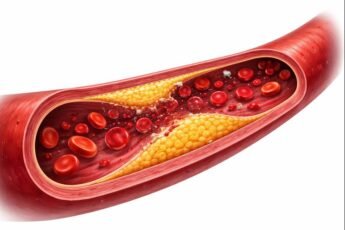
1 Comment