
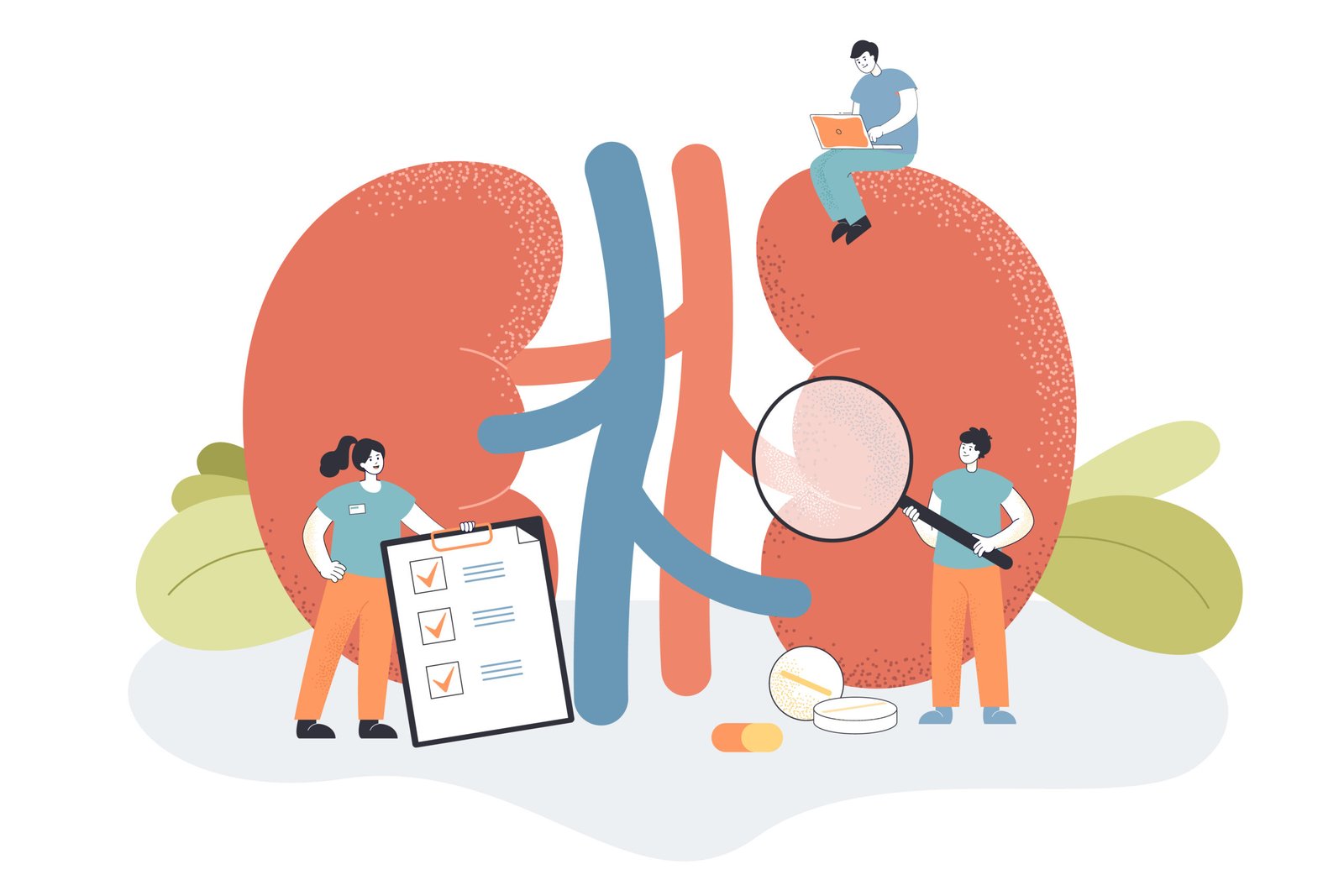
Maintaining kidney health is essential for overall wellness and long-term quality of life. Healthy kidneys filter toxins and excess fluids from the blood, regulate blood pressure, and support hormone balance. Many people do not realize that small lifestyle changes can have a significant impact on kidney, preventing chronic kidney disease and ensuring optimal kidney. In this guide, we explore natural ways to improve kidney, including diet, lifestyle habits, and preventive care.
Understanding Kidney health
Each kidney contains millions of tiny filtering units called nephrons, which remove waste products from the blood and produce urine. Healthy kidneys help maintain fluid balance, regulate blood pressure, and manage levels of essential minerals like potassium and calcium. When kidney function declines, waste can accumulate in the body, leading to fatigue, swelling, and other serious complications.
Why Kidney Health Is Important
Good kidney health supports the entire body. Beyond filtering blood, kidneys influence cardiovascular health, bone strength, and overall energy levels. Poor kidney function can lead to high blood pressure, heart disease, electrolyte imbalances, and anemia. Maintaining kidney health is not only vital for preventing disease but also for ensuring optimal energy, metabolism, and overall quality of life.
Common Risk Factors for Kidney Problems
Several factors can increase the risk of kidney problems:
-
High blood pressure: Elevated pressure can damage kidney blood vessels.
-
Diabetes, characterized by high blood sugar levels, can damage the kidneys’ filtering units.
-
Obesity: Excess weight increases the risk of hypertension and diabetes, both of which affect kidney health.
-
Smoking: Tobacco use reduces blood flow to the kidneys and increases kidney disease risk.
-
Excessive use of painkillers or certain medications: Long-term use can harm kidney tissue.
-
Family history of kidney disease: Genetics can play a role in kidney health.
By understanding these risk factors, individuals can take proactive steps to protect their kidneys naturally.
Kidney-Healthy Diet
Diet is essential for maintaining healthy kidney function. Eating nutrient-rich foods while limiting substances that overwork the kidneys can help maintain their health.
Tips for a kidney-healthy diet include:
-
Stay hydrated: Drinking sufficient water supports your kidneys in flushing out toxins.
-
Limit sodium intake: High sodium increases blood pressure, which can strain kidneys.
-
Eat plenty of fruits and vegetables: These provide antioxidants, fiber, and essential nutrients.
-
Choose lean proteins: Sources like fish, chicken, beans, and tofu support kidney function without overloading it.
-
Moderate phosphorus and potassium: In certain kidney conditions, regulating these minerals may be necessary.
Adopting a diet similar to the DASH diet or a Mediterranean diet has been linked to better kidney and heart health.
Lifestyle Habits for Kidney Health
Lifestyle choices significantly impact kidney function. Simple, consistent habits can reduce the risk of kidney disease:
-
Exercise regularly: Moderate physical activity improves blood circulation and helps maintain healthy blood pressure and weight.
-
Avoid smoking and excessive alcohol: Both can damage kidneys and elevate blood pressure.
-
Maintain a healthy weight: Being overweight raises the risk of diabetes and high blood pressure.
-
Get regular checkups: Monitoring blood pressure, blood sugar, and kidney function can detect problems early.
-
Manage stress: Chronic stress can affect blood pressure, which in turn impacts kidney health.
Importance of Sleep and Stress Management
Sleep and stress directly affect kidney function. Poor sleep or chronic stress can increase blood pressure and hormone imbalances, both of which strain the kidneys. Aim for 7–9 hours of sleep per night and incorporate stress-reducing practices like meditation, yoga, or deep breathing exercises.
Natural Remedies and Preventive Care
Certain natural habits can support kidney health:
-
Herbal teas: Some teas like nettle or dandelion may support kidney function, but consult a healthcare provider before use.
-
Reduce processed foods: Minimizing processed, high-sodium foods reduces kidney strain.
-
Monitor over-the-counter medications: Long-term or high-dose use of painkillers can harm kidneys.
-
Stay active: Even light activities like walking or swimming support overall kidney and cardiovascular health.
Preventive care, such as routine kidney function tests and maintaining blood pressure and blood sugar within a healthy range, is critical for early detection of kidney issues.
Early Signs of Kidney Problems
It’s important to recognize early signs of kidney problems, including:
-
Swelling in hands, feet, or ankles
-
Fatigue or difficulty concentrating
-
Changes in urination
-
High blood pressure that is hard to control
-
Persistent back or side pain
Noticing these symptoms early can allow timely medical intervention to prevent further damage.
Long-Term Benefits of Healthy Kidneys
Maintaining kidney health naturally offers numerous benefits:
-
Efficient waste removal and toxin elimination
-
Balanced blood pressure and fluid levels
-
Lower risk of chronic diseases such as heart disease and diabetes
-
Improved energy and mental clarity
-
Better overall quality of life
By combining a kidney-friendly diet, regular exercise, stress management, and routine health screenings, individuals can protect their kidneys and enjoy long-term wellness.
FAQs
1. How can I maintain kidney health naturally?
Eating a balanced diet, staying hydrated, exercising regularly, managing stress, and avoiding smoking and excessive alcohol can help maintain kidney health.
2. What are early signs of kidney problems?
Early signs include swelling in extremities, fatigue, changes in urination, high blood pressure, and back or side pain.
3. Which foods are best for kidney health?
Fruits, vegetables, whole grains, lean proteins, and healthy fats like olive oil and nuts are beneficial for kidney function.
4. Can high blood pressure affect kidney health?
Yes, uncontrolled high blood pressure can damage kidney blood vessels and reduce kidney function over time.
5. How frequently should I have my kidney function checked?
Routine checkups with blood and urine tests are recommended, especially if you have risk factors like diabetes, hypertension, or a family history of kidney disease.
Reference
https://www.niddk.nih.gov/health-information/kidney-disease/chronic-kidney-disease-ckd/prevention
https://www.kidney.org/kidney-topics/6-step-guide-to-protecting-kidney-health
0 200

No Comments