
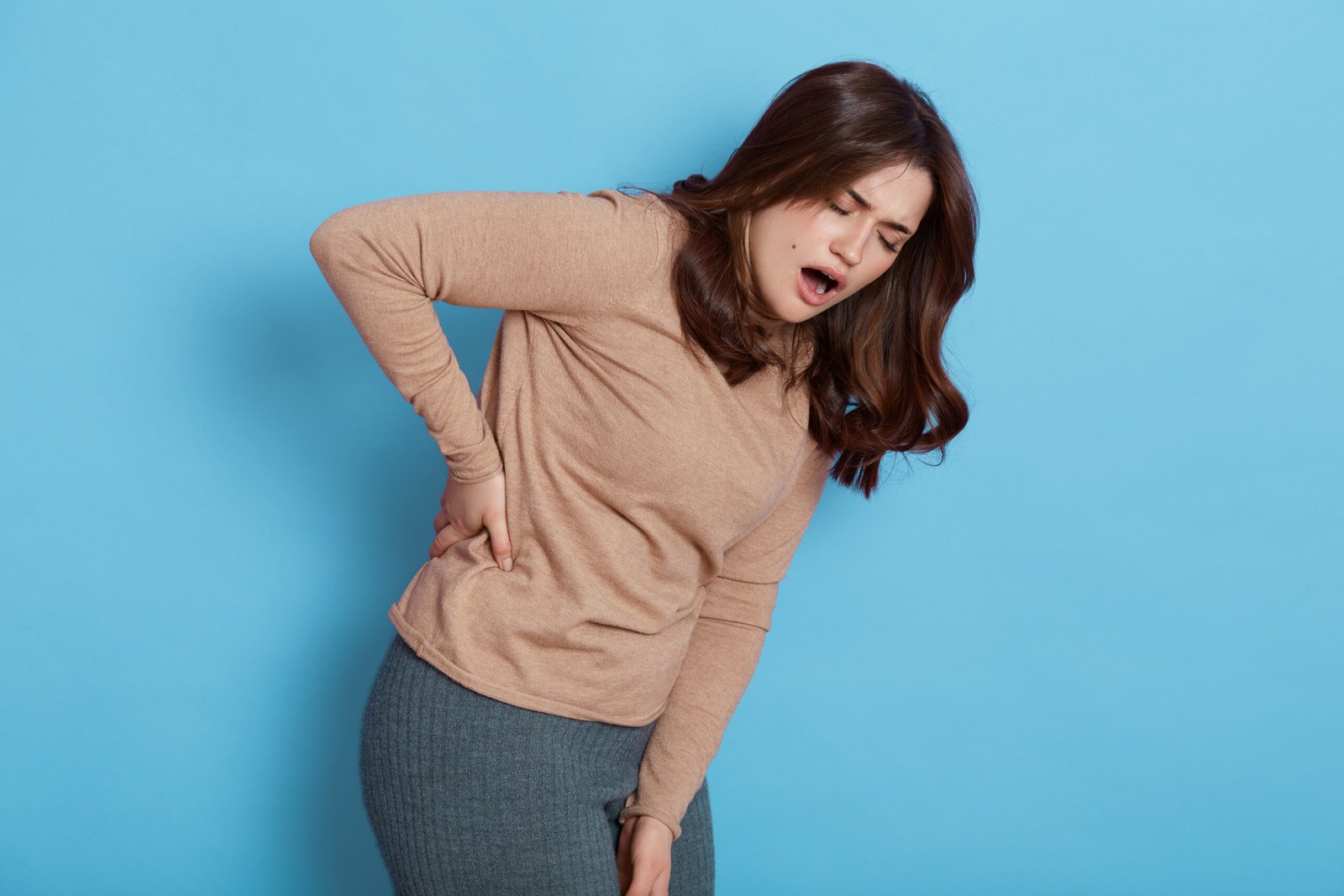
Spending long hours seated at a desk, driving, or relaxing on the couch can lead to stiffness and discomfort around the hip joint. Many people notice their hips hurt sitting for extended periods, or that their hip hurts when sitting without much movement. While occasional discomfort is common, persistent issues may signal muscular imbalance, joint irritation, or posture-related strain. Understanding hip pain causes, recognizing key pain symptoms, and making simple lifestyle adjustments can significantly reduce discomfort and prevent long-term problems.
Why Prolonged Sitting Causes Discomfort
When you sit for hours, the hip flexor muscles remain shortened. Over time, this tightness can lead to reduced flexibility and weakness in surrounding muscles. This imbalance often contributes to hip flexor pain and stiffness when standing up.
Poor posture also plays a major role. Slouching increases pressure on the pelvis and spine, which may result in lower back pain or combined back pain and hip tightness. Reduced blood circulation during long sitting sessions can further increase joint stiffness.
Some common complaints include:
-
Pain in hip while sitting
-
Dull aching hips when sitting
-
Stiffness after standing up
-
Buttock pain and hip pain
-
General pain in the lower back and hips
When sitting and hip pain occur together regularly, it is often due to a muscle imbalance rather than a serious joint condition.
Common Causes of Hip Discomfort
There are several possible hip pain causes, and identifying the correct one helps guide treatment.
Muscle Imbalance
Weak glutes combined with tight flexors frequently result in hip pain or muscle pain. This is especially common among office workers.
Bursitis
Inflammation of the small fluid-filled sacs around the joint can make it painful during movement or rest.
Arthritis
Degenerative joint conditions may cause chronic pain, stiffness, and sometimes hip pain at night.
Nerve Irritation
Compression of the sciatic nerve can create discomfort that spreads from the lower back into the hip region.
Pregnancy
Pain in pregnancy is common due to hormonal changes that relax ligaments and increase pelvic pressure.
Referred or Abdominal Conditions
In some cases, discomfort near the hip may stem from another area. For example:
-
Pain in left hip area female may relate to pelvic health.
-
Pain in lower right abdomen near hip bone female could involve digestive or gynecological causes.
If symptoms persist and you wonder, pain what causes ongoing discomfort, a medical consultation is recommended.
Recognizing Symptoms
Typical hip pain symptoms may include:
-
Stiffness after inactivity
-
Limited range of motion
-
Tenderness around the joint
-
Groin or thigh discomfort
-
Clicking sensation
-
Discomfort during prolonged sitting
Some individuals also report pain sitting that improves after walking or stretching.
If painful along with swelling, redness, fever, or significant abdominal pain, medical evaluation is important.
The Connection Between the Lower Back and Hips
The hip joint and the lower spine function as a connected system, supporting movement and stability together.
When posture is poor:
-
Core stability decreases
-
Pelvic alignment shifts
-
Joint stress increases
-
Pain in the lower back and hips becomes more noticeable
Addressing both areas improves overall function and reduces stress.
ICD 10 Codes for Documentation
In clinical settings, providers use standardized codes to document conditions:
-
ICD 10 codes right hip pain – M25.551
-
Hip pain right ICD 10 – M25.551
-
Left side – M25.552
-
Unspecified – M25.559
These are used for medical records and insurance purposes.
Practical Ways to Reduce Discomfort
If your hip hurts when sitting, small daily adjustments can help:
Improve Sitting Posture
Maintain an upright posture with your spine straight, shoulders relaxed, and both feet placed flat on the floor. Avoid crossing legs for long periods.
Take Regular Breaks
Standing or walking every 30–45 minutes helps prevent aching hips when sitting.
Stretch the Hip Flexors
Gentle lunges and mobility exercises relieve tightness and improve circulation.
Strengthen Supporting Muscles
Glute bridges, squats, and planks stabilize the pelvis and reduce pain or muscle pain related to weakness.
Adjust Sleep Position
If you experience pain at night, placing a pillow between your knees may reduce joint pressure.
Use Ergonomic Support
Chair cushions or lumbar support can decrease the strain that leads to pain while sitting.
When to See a Doctor
Professional evaluation is important if:
-
Hips are painful for several weeks
-
Discomfort worsens over time
-
Severe buttock pain and pain develop
-
There is persistent pain in the lower back and hips
-
Abdominal symptoms such as pain in lower right abdomen near hip bone female occur
Early treatment helps prevent chronic joint problems.
Faqs
1. Why do hips hurt after sitting too long?
Extended sitting shortens hip flexors and reduces circulation, leading to stiffness and discomfort.
2. Can lower back issues cause hip discomfort?
Yes. Poor posture and spinal alignment problems often contribute to combined lower back and pelvic pain.
3. What causes pain at night?
Common causes include bursitis, arthritis, and joint inflammation.
4. Is pain common during pregnancy?
Yes. Pain in pregnancy is frequent due to ligament relaxation and increased pelvic pressure.
5. How can I tell if it’s muscle-related?
Pain or muscle pain often improves with stretching and movement, while joint-related issues may persist or worsen.
Conclusion
Discomfort around the hips is often linked to prolonged sitting, muscle imbalance, and poor posture. Whether you notice stiffness, tightness, or occasional soreness, early lifestyle adjustments can make a significant difference. Improving posture, strengthening muscles, stretching regularly, and seeking medical advice when necessary can help maintain long-term joint health and mobility.
Reference
https://www.franciscanhealth.org/community/blog/hip-pain-stiffness-after-sitting
https://my.clevelandclinic.org/health/symptoms/21118-hip-pain
https://www.medicalnewstoday.com/articles/hip-pain-when-sitting
0 200
No Comments