
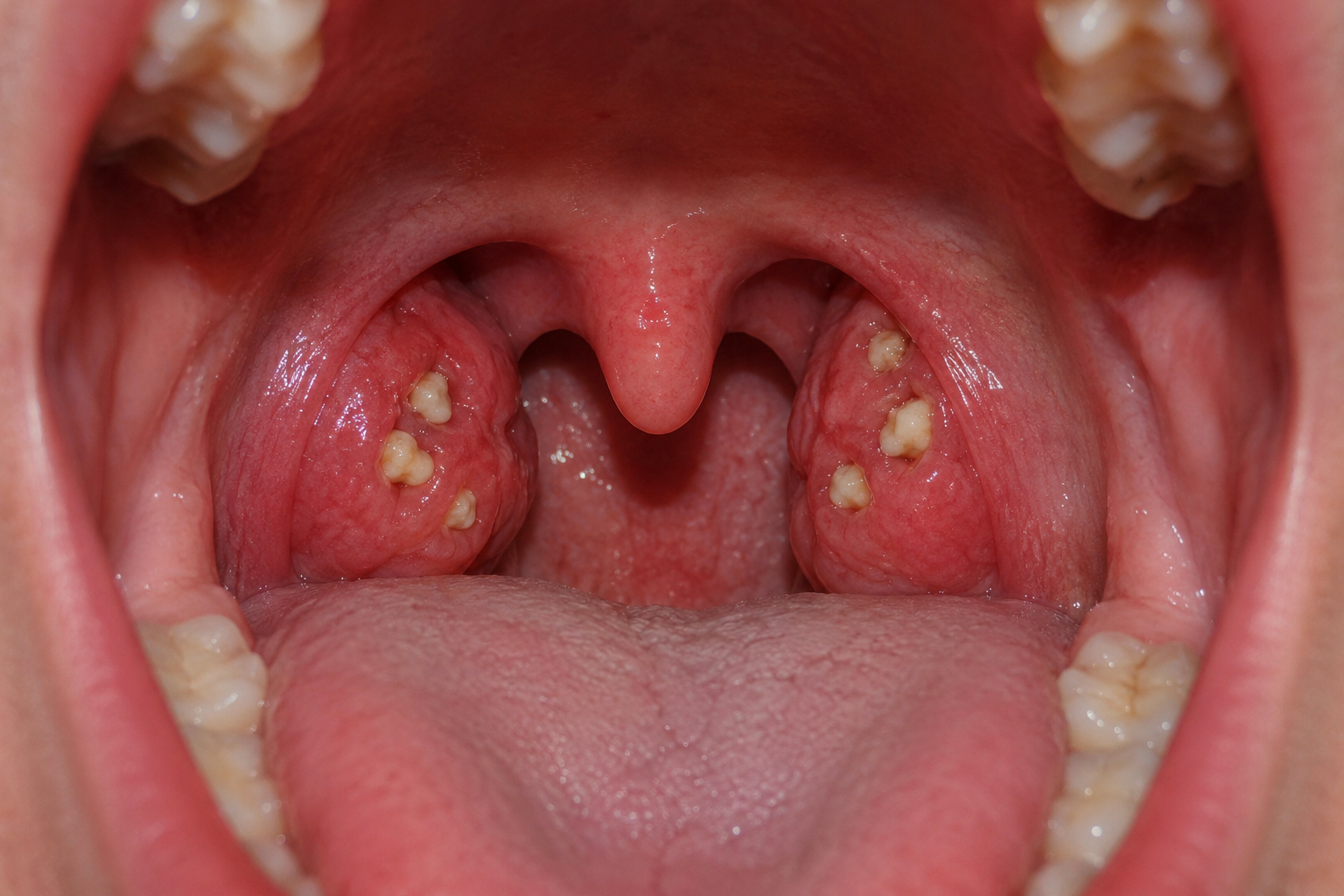
Many people experience uncomfortable white or yellow formations in the back of their throat without realizing they are stones on tonsils. These tiny formations, often called tonsil stones or tonsilloliths, may lead to bad breath, throat discomfort, and pain while swallowing. Although they are usually harmless, understanding their causes and treatment options is important for maintaining good oral health.
In this guide, you will learn about tonsillar stones on tonsils, their symptoms, causes, treatments, and prevention tips to help keep your throat healthy.
What Are Stones on Tonsils?
Tonsil stones are hardened deposits made of food particles, bacteria, mucus, and dead cells trapped inside the tiny crevices of the tonsils. Over time, these materials calcify and form small white or yellow stones.
People often ask, what causes tonsil rocks, and why do they develop in some individuals more than others. The answer usually lies in poor oral hygiene, chronic inflammation, or naturally deep tonsil crevices.
These stones can range in size from tiny grains to large tonsil stones that may cause pain or noticeable discomfort.
Symptoms of Tonsil Stones
The symptoms of tonsil stones may differ based on their size and where they are located in the tonsils. Some people may not even notice them, while others experience ongoing discomfort.
Common symptoms include:
- Persistent bad breath
- Sore throat
- Difficulty swallowing
- Ear pain
- White or yellow spots on the tonsils
- Swollen tonsils
Sometimes, a person may notice a tonsil stone on their finger after coughing or removing it manually from the throat.
Stone on Tonsil Cause
A common question is about the exact cause of tonsillitis. Tonsil stones form when debris becomes trapped inside tonsil pockets called crypts. Bacteria feed on this debris, leading to infection, odor, and eventually calcification.
Several factors can increase the likelihood of developing stones in the tonsils.
Poor Oral Hygiene
Irregular brushing and flossing can lead to a buildup of bacteria and food particles in the mouth.
Chronic Tonsillitis
Frequent tonsil infections can enlarge the tonsil crypts, making it easier for debris to collect.
Sinus Problems
Postnasal drip and excess mucus can contribute to tonsil stone formation.
Dry Mouth
Low saliva production creates an environment where bacteria can grow more rapidly.
Large Tonsils
People with larger tonsils often have deeper crevices where debris becomes trapped.
Understanding the reason for tonsil stone formation can help people take preventive measures early.
Can Tonsil Stones Pass Out on Their Own?
One of the most common concerns people have is whether tonsil stones can naturally come out on their own.
Yes, in many cases, small tonsil stones naturally loosen and fall out while coughing, sneezing, or eating. The body can sometimes clear them without treatment.
Similarly, many people wonder whether tonsil stones go away on their own. Small stones may disappear naturally, especially if oral hygiene improves. However, larger stones or recurring tonsil stones may require active treatment or medical attention.
Best Treatments for Tonsil Stones
Treatment depends on the size of the stone and the symptoms it causes. Here are some effective ways to manage stones on tonsils.
Gargling with Salt Water
Warm salt water gargles help reduce bacteria and inflammation in the throat. Gargling several times daily may loosen smaller stones and relieve discomfort.
Good Oral Hygiene
Brushing teeth twice a day, flossing, and cleaning the tongue can reduce bacteria buildup and prevent future stones from forming.
Manual Removal
Some people gently remove tonsil stones using a cotton swab or water irrigator. If you notice a tonsil stone on your finger after removal, it is usually because the stone became loose from the tonsil crypt.
However, avoid using sharp objects because they can damage the tonsils and cause infection.
Stay Hydrated
Drinking enough water helps wash away food particles and bacteria while reducing dry mouth.
Use a Water Flosser
Low-pressure water flossers may help flush out debris from tonsil crevices safely.
Medical Treatment
For persistent or large tonsil stones, doctors may recommend:
- Antibiotics for infection
- Laser tonsil crypt reduction
- Tonsil removal surgery in severe cases
Surgery is generally recommended only when tonsil stones become a recurring problem and seriously impact daily life.
How to Prevent Stones on Tonsils
Preventing tonsil stones is often easier than treating them. Following these simple habits can help reduce your risk:
- Brush and floss daily
- Gargle after meals
- Stay hydrated
- Avoid smoking
- Treat sinus infections promptly
- Reduce sugary foods that encourage bacterial growth
Maintaining oral hygiene is one of the best ways to stop recurring stones on the tonsils.
When to See a Doctor
Although tonsil stones are generally harmless, medical attention may be needed if you experience:
- Severe throat pain
- Difficulty swallowing
- Frequent infections
- Bleeding tonsils
- Very large tonsil stones
- Persistent bad breath despite oral care
A healthcare professional can determine the exact stone on tonsil cause and recommend suitable treatment.
Final Thoughts
Stones on tonsils are a common condition that can occur in people of all ages. While they are usually not dangerous, they can cause discomfort, bad breath, and throat irritation. Understanding what causes tonsil rocks and the reason for tonsil stone formation can help prevent future problems.
Many people ask, do tonsil stones go away on their own or can tonsil stones come out on their own. The answer is yes for smaller stones, but larger or recurring stones may need proper treatment.
By practicing good oral hygiene, staying hydrated, and treating throat infections early, you can reduce the chances of developing stones on tonsils and maintain better oral health.
FAQs
1. What are stones on tonsils?
Stones on tonsils are hardened deposits of bacteria, food particles, mucus, and dead cells trapped inside the tonsil crevices.
2. Do tonsil stones go away on their own?
Yes, small tonsil stones may loosen naturally and fall out on their own, especially when good oral hygiene is maintained.
3. Can tonsil stones come out on their own?
Yes, coughing, sneezing, or gargling can sometimes dislodge tonsil stones naturally.
4. What causes tonsil rocks?
Poor oral hygiene, chronic tonsillitis, mucus buildup, and deep tonsil crypts are common causes of tonsil rocks.
5. Are large tonsil stones dangerous?
Large tonsil stones are usually not dangerous but may cause pain, bad breath, and difficulty swallowing. Medical treatment may be needed if symptoms become severe.
Reference
https://my.clevelandclinic.org/health/diseases/21505-tonsil-stones
https://myhealth.alberta.ca/Health/aftercareinformation/pages/conditions.aspx?hwid=ace4965


No Comments