
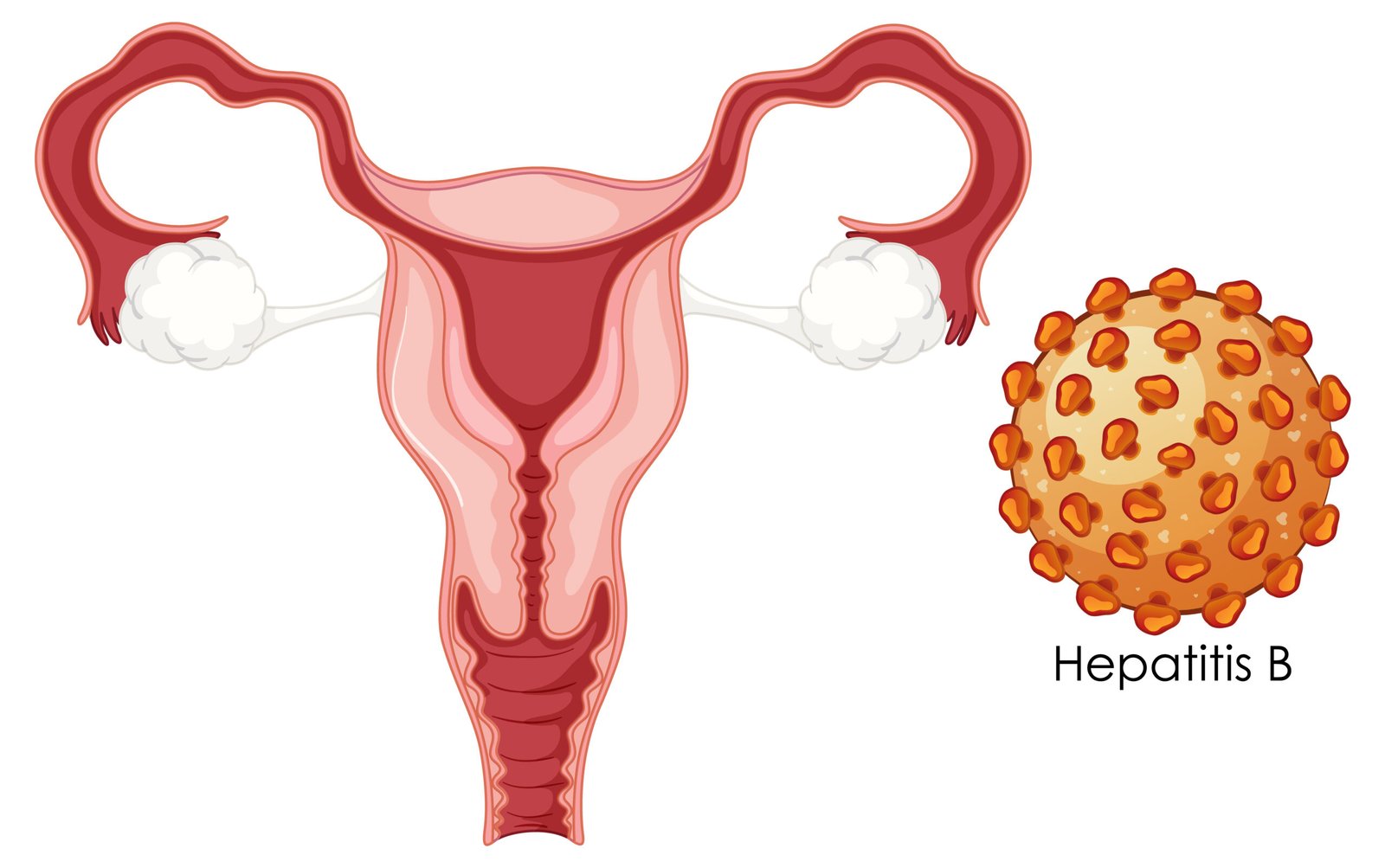
Vulvodynia is a chronic pain condition that affects the vulva, the external part of the female genital area. The condition can significantly impact daily comfort, emotional well-being, and quality of life. Understanding its vulvodynia meaning is important: it refers to persistent vulvar pain lasting at least three months without an identifiable cause such as infection or skin disease.
Many people describe a range of discomforts, including burning, irritation, or rawness. These sensations may occur constantly or be triggered by touch, pressure, or even sitting for long periods.
Understanding Vulvodynia and Its Symptoms
The vulvodynia symptoms can vary widely from person to person. Some experience mild discomfort, while others have severe pain that affects daily activities like walking, exercising, or intimacy.
Common symptoms include:
- Persistent vulva burning sensation
- Stinging or sharp pain in the vulvar area
- Increased sensitivity to touch (known as a sensitive vulva)
- Irritation without visible signs of infection
- Pain during intercourse or tampon use
In some cases, people may also report dolores vaginales, a Spanish term meaning vaginal pain, which is often used to describe similar discomfort patterns.
Another common complaint is vulva burning and pain, which may worsen during activities like cycling, prolonged sitting, or tight clothing wear. These symptoms can fluctuate in intensity, making the condition unpredictable.
Causes of Vulvar Pain
Understanding the causes of vulvar pain is not always straightforward, as vulvodynia does not usually have a single identifiable cause. Instead, it is believed to result from multiple contributing factors.
Possible causes include:
- Nerve irritation or injury in the vulvar region
- Hormonal changes
- Chronic inflammation or immune responses
- Past infections or skin sensitivity
- Genetic predisposition to pain sensitivity
Some researchers also associate it with inflammatory vulvodynia, where mild inflammatory responses may heighten nerve sensitivity even without visible signs of infection. Similarly, inflammation of the vulva can contribute to discomfort and hypersensitivity in the area.
What Does Vulvodynia Feel Like?
A common question is what vulvodynia feels like. The experience varies, but many describe it as burning, rawness, or constant irritation. For some, it feels like a persistent rash that never heals. For others, it resembles sharp, stabbing pain or a deep aching sensation.
The pain can be localized or spread across the entire vulvar area. It may also worsen with pressure, sexual activity, or prolonged sitting. Because symptoms fluctuate, diagnosis can sometimes be delayed.
Vulvodynia and Vulvar Vestibulitis
The condition is sometimes linked to vulvodynia and vulvar vestibulitis, a term used to describe pain specifically in the vestibule (the entrance of the vagina). While vulvodynia is a broader term for vulvar pain, vestibulitis refers to a more localized form.
Both conditions share similar symptoms, including burning, tenderness, and discomfort during contact. Over time, medical professionals have started using vulvodynia as an umbrella term for these pain disorders.
Diagnosis and Emotional Impact
Diagnosing vulvodynia often involves ruling out infections, skin disorders, or other medical conditions. A pelvic examination and patient history are usually required. Because symptoms are not always visible, many people experience frustration before receiving a diagnosis.
The condition can also have emotional effects. Chronic pain may lead to anxiety and stress or difficulty in relationships. Understanding that the pain is real, even without visible signs, is an important part of managing the condition.
Treatment Options for Vulvodynia
Treatment focuses on reducing pain and improving quality of life. Since the condition varies, management plans are often personalized.
Common treatment approaches include:
- Topical creams or medications to reduce nerve sensitivity
- Physical therapy for pelvic floor relaxation
- Lifestyle changes, such as wearing loose clothing
- Stress management techniques
- In some cases, nerve pain medications
For individuals experiencing vulva burning sensation, cooling measures or prescribed topical treatments may provide temporary relief. Avoiding irritants like scented soaps or harsh detergents can also help reduce discomfort.
A gentle skincare routine is often recommended for those with a sensitive vulva, as irritation can worsen symptoms.
Living with Vulvodynia
Living with vulvovaginitis requires patience and self-care. Identifying triggers and avoiding them can significantly reduce flare-ups. Wearing breathable fabrics, maintaining good hygiene without over-washing, and managing stress are important lifestyle steps.
Support from healthcare professionals and counseling can also help manage the emotional side of chronic pain. While there is no single cure, many people find relief through a combination of treatments and lifestyle adjustments.
FAQs
1. What is the meaning of vulvar?
The vulvodynia meaning refers to chronic vulvar pain lasting more than three months without a clear identifiable cause, such as infection or skin disease.
2. What does vulvar feel like?
It often feels like burning, stinging, or raw irritation. Some people describe it as constant discomfort, while others experience sharp or intermittent pain.
3. What are the main symptoms of vulvodynia?
The vulvodynia symptoms include burning pain, tenderness, increased sensitivity, and discomfort during touch or intercourse.
4. What causes vulvar pain in vulvodynia?
The causes of vulvar pain may include nerve sensitivity, inflammation, hormonal changes, or past infections. In some cases, inflammation vulvodynia plays a role.
5. Is vulvodynia the same as vulvar vestibulitis?
They are closely related. Vulvodynia and vulvar vestibulitis both involve chronic vulvar pain, but vestibulitis is more localized to the vaginal entrance area.
Reference
https://www.mayoclinic.org/diseases-conditions/vulvodynia/symptoms-causes/syc-20353423
https://my.clevelandclinic.org/health/diseases/17878-vulvodynia
0 200
No Comments