
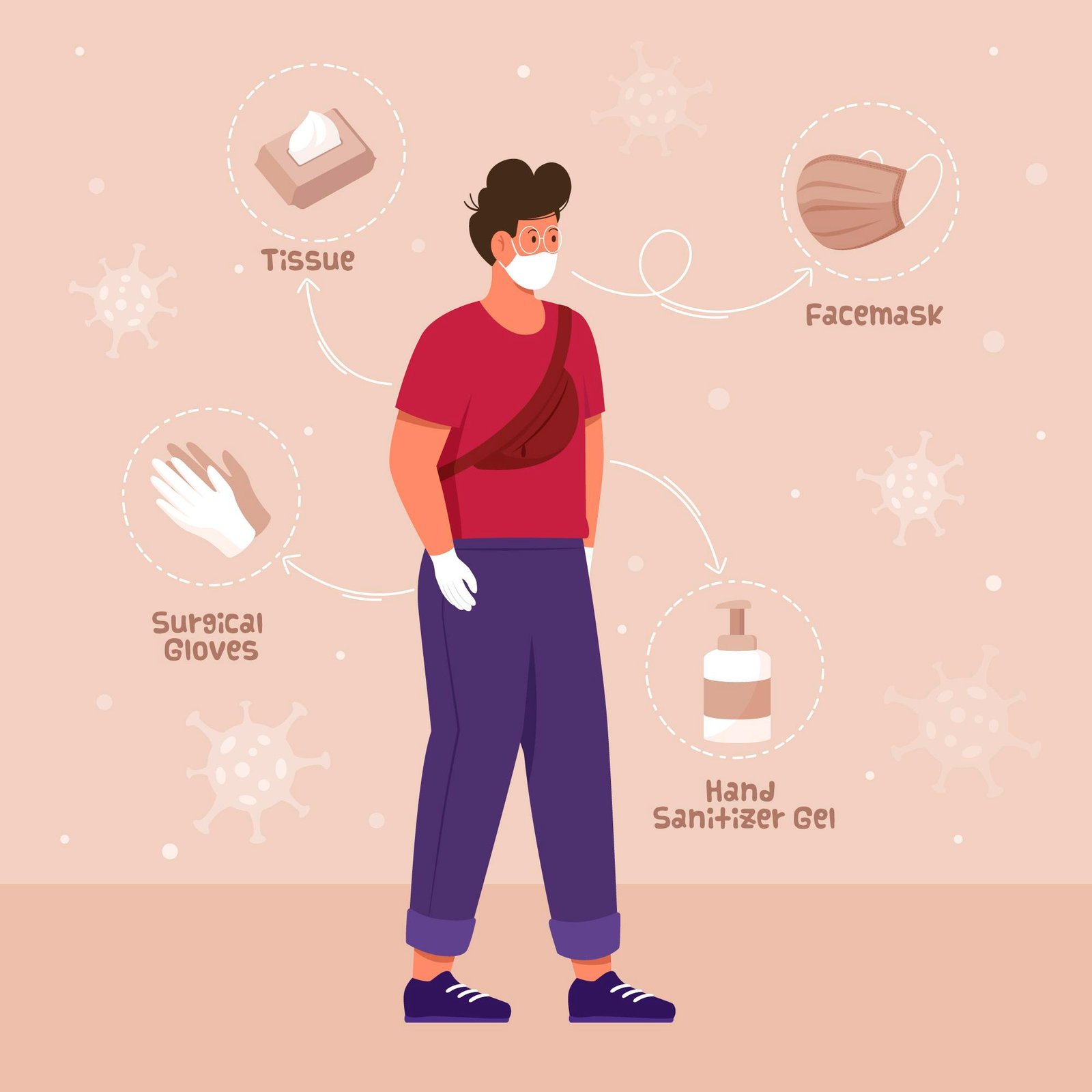
Maintaining proper hygiene is one of the most essential practices for preserving overall health and well-being. Hygiene refers to the set of practices and habits aimed at keeping the body, surroundings, and personal items clean to prevent disease, infection, and illness. Good hygiene not only protects physical health but also promotes mental and social well-being, enhancing quality of life. According to health experts and clinical insights, maintaining consistent hygiene routines is a cornerstone of preventive healthcare.
Why Hygiene Is Crucial for Health
Hygiene plays a central role in preventing infections caused by bacteria, viruses, and other pathogens. Poor hygiene can lead to a variety of illnesses, ranging from minor skin infections to severe systemic conditions. Regular hygiene practices reduce exposure to harmful microorganisms and minimize the risk of spreading communicable diseases.
Beyond disease prevention, hygiene contributes to mental and social health. Cleanliness enhances self-esteem, confidence, and social acceptance. Individuals who maintain good hygiene are less likely to experience embarrassment, social stigma, or psychological stress related to personal appearance or odor.
Key Hygiene Practices for a Healthy Body
1. Personal Hygiene
Personal hygiene includes practices that keep the body clean and free from harmful microorganisms. Key aspects include:
-
Handwashing: Regular washing with soap and water removes germs and prevents infections such as colds, flu, and gastrointestinal illnesses. MedsLike highlights that proper hand hygiene is the single most effective way to reduce infectious disease transmission.
-
Bathing/Showering: Daily or regular bathing helps remove sweat, dirt, and bacteria from the skin, reducing body odor and skin infections.
-
Oral Hygiene: Brushing teeth at least twice a day, flossing, and regular dental check-ups prevent tooth decay, gum disease, and bad breath.
-
Hair and Nail Care: Keeping hair clean and nails trimmed prevents the accumulation of dirt and harmful bacteria.
2. Food Hygiene
Safe food practices prevent foodborne illnesses that can compromise overall health. Key tips include:
-
Washing fruits and vegetables thoroughly before consumption
-
Cooking food at appropriate temperatures
-
Storing perishable items correctly to prevent bacterial growth
-
Avoiding cross-contamination between raw and cooked foods
MedsLike emphasizes that food hygiene is critical in reducing the risk of infections such as Salmonella, E. coli, and other gastrointestinal disorders.
3. Environmental Hygiene
Keeping your surroundings clean is equally important. Environmental hygiene includes:
-
Regular cleaning of living spaces and bathrooms
-
Proper disposal of waste
-
Maintaining clean water sources
-
Using disinfectants to reduce microbial contamination
A clean environment reduces the likelihood of diseases spreading, especially in communal or public areas.
4. Sexual Hygiene
Sexual hygiene is an important aspect of overall health and is often linked to reproductive and urinary system wellbeing. Practices include:
-
Regular genital cleaning
-
-
Timely medical check-ups when symptoms arise
MedsLike notes that poor sexual hygiene can contribute to urinary tract infections, bacterial vaginosis, and conditions such as erectile dysfunction in men, emphasizing the link between hygiene and sexual health.
5. Sleep and Hygiene
Hygiene also extends to lifestyle habits like sleep. Clean bedding, regular washing of sleepwear, and maintaining a clean sleep environment help prevent skin infections and promote restorative sleep, which is essential for cognitive and physical health.
Hygiene and Disease Prevention
Good hygiene practices are foundational in preventing communicable and non-communicable diseases. For instance:
-
Respiratory infections: Handwashing and covering the mouth when sneezing or coughing reduce the spread of viruses and bacteria.
-
Gastrointestinal illnesses: Proper food handling and hand hygiene prevent infections like diarrhea and food poisoning.
-
Skin conditions: Regular bathing and cleanliness reduce fungal and bacterial skin infections.
Medslike highlights that maintaining proper hygiene reduces the burden on healthcare systems and lowers the incidence of preventable diseases, ultimately supporting overall public health.
Hygiene and Mental Wellbeing
Hygiene also plays a significant role in mental health. Poor personal hygiene can negatively affect self-esteem and social interactions. Conversely, maintaining hygiene can enhance confidence, reduce anxiety about appearance or odor, and improve social engagement. Routine hygiene practices promote a sense of control and self-discipline, which are beneficial for mental wellness.
Hygiene Education and Awareness
Education about hygiene from an early age is vital. Teaching children proper handwashing techniques, oral care, and personal cleanliness lays the foundation for lifelong habits. Public health campaigns and workplace programs can further reinforce hygiene awareness in communities.
Tips to Maintain Good Hygiene Daily
-
Wash your hands regularly, particularly before eating and after using the bathroom.
-
Take regular showers and change into clean clothing daily.
-
Brush your teeth at least twice daily and remember to floss consistently to maintain good oral hygiene.
-
Keep living spaces clean and disinfect commonly touched surfaces.
-
Practice safe and hygienic food preparation.
-
Maintain personal and sexual hygiene consistently.
Conclusion
Hygiene is a critical pillar of a healthy body and overall well-being. It protects against infections, supports mental health, promotes social acceptance, and enhances quality of life.
Medslike emphasizes that maintaining consistent hygiene practices, from personal care to environmental cleanliness, is one of the simplest and most effective strategies for disease prevention and health promotion. By integrating hygiene into daily routines, individuals can ensure a healthier, more confident, and productive life.
FAQs
1. Why is handwashing considered the most important hygiene practice?
Handwashing removes harmful germs and prevents infections such as colds, flu, and gastrointestinal illnesses.
2. Can poor hygiene affect mental health?
Yes, neglecting hygiene can lower self-esteem, increase social anxiety, and contribute to depression.
3. How does hygiene relate to sexual health?
Proper sexual hygiene helps prevent urinary tract infections, bacterial vaginosis, and reduces the risk of sexually transmitted infections.
4. How often should you bathe for good hygiene?
Daily bathing or regular showers are recommended to remove sweat, dirt, and bacteria, though frequency may vary depending on activity level and climate.
5. What role does hygiene play in preventing disease?
Maintaining good hygiene reduces the spread of infectious diseases, prevents skin and gastrointestinal conditions, and lowers the overall risk of illness.
Reference
https://www.dettol.co.in/expert-advice/personal-health-hygiene/the-importance-of-personal-hygiene/
https://www.medicalnewstoday.com/articles/personal-hygiene
https://www.fortishealthcare.com/blogs/why-maintaining-good-hygiene-could-be-life-changing
0 200

No Comments