
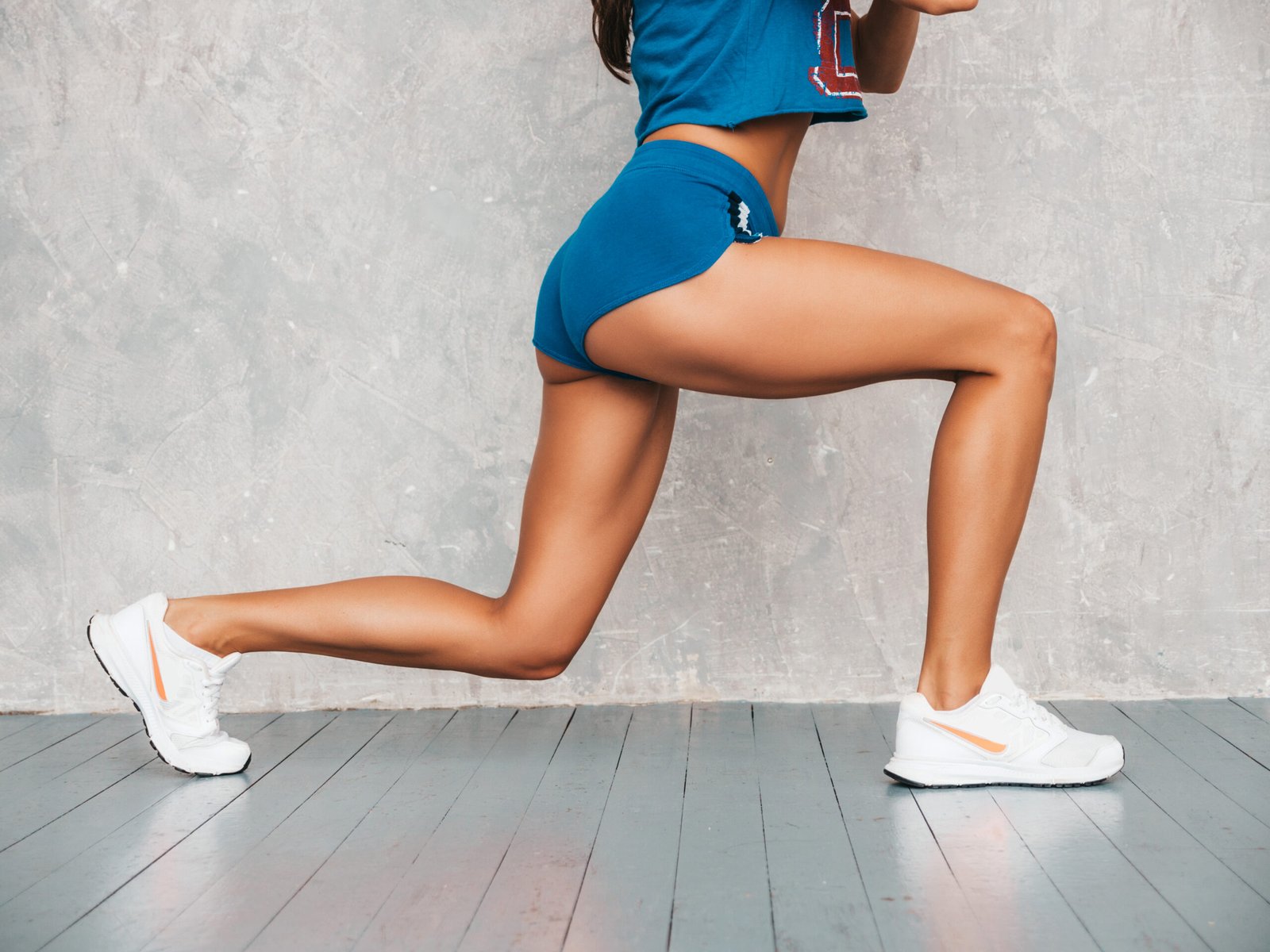
Strong calves do more than improve the appearance of your legs. They support balance, stability, walking, running, jumping, and athletic performance. Whether you want to increase strength, improve endurance, or achieve defined calf muscles, following the right training routine can help you reach your fitness goals.
This guide covers the most effective calf exercises you can perform at home or in the gym, along with training tips and frequently asked questions.
Why Train Your Calves?
Your calves consist primarily of two muscles: the gastrocnemius and the soleus. Together, they help you stand on your toes, push off while walking or running for good health, and stabilize your ankles. Including good exercises for calves in your weekly workout routine improves lower-body strength and reduces the risk of injuries.
Top Exercises for Calf Development
The following exercises for calves muscles are suitable for beginners and experienced fitness enthusiasts alike.
1. Standing Calf Raises
Standing calf raises are among the best exercises for calves because they target the gastrocnemius muscle effectively.
How to do it:
- Stand with your feet shoulder-width apart.
- Raise your heels as high as possible.
- Pause for one second.
- Slowly lower your heels.
Perform 3–4 sets of 15–20 repetitions.
2. Seated Calf Raises
If your goal includes exercises for strengthening calves, seated calf raises emphasize the soleus muscle, which contributes to overall calf size.
Use a calf raise machine or place a weight across your knees while seated.
3. Single-Leg Calf Raises
A calf muscle workouts routine should include unilateral movements to correct muscle imbalances.
Balance on one foot and gradually raise your heel, then lower it slowly to complete the movement. Repeat on both legs.
4. Stair Calf Raises
Among the most effective exercises for calves at home, stair calf raises allow for a greater range of motion.
Stand on the edge of a step with your heels extending beyond the edge. Lower your heels below the step before pushing upward.
5. Jump Rope
People often ask what is the best exercise for calves for endurance. Jump rope is one of the top choices because it keeps your calf muscles active throughout the workout.
Jump rope continuously for 30 to 60 seconds, then rest briefly before repeating for multiple rounds.
6. Farmer’s Walk on Toes
Walking on your toes while carrying dumbbells is an excellent way for how to get stronger calves naturally.
Walk slowly while staying on the balls of your feet.
7. Donkey Calf Raises
This traditional movement is an excellent workout to build calf muscles because it provides a deep stretch before each repetition.
8. Box Jumps
Explosive exercises improve power while functioning as a complete calf muscle workout.
Use a sturdy plyometric box and land softly after every jump.
9. Hill Sprints
Learning how to build muscle in your calves becomes easier when sprinting uphill because every stride forces your calves to work harder.
10. Toe Walks
Toe walking is one of the easiest good calf workouts at home since it requires no equipment.
Walk across a room on your tiptoes for one minute before resting.
Gym vs. Home Calf Training
Both home and gym workouts can deliver excellent results.
At home, bodyweight movements, resistance bands, stairs, and jump rope offer plenty of variety. In the gym, machines and heavier weights allow progressive overload for faster muscle growth.
Whether you prefer home or gym sessions, consistency is the most important factor.
Sample Weekly Calf Routine
A balanced calf training program may look like this:
- Monday: Standing calf raises, seated calf raises
- Wednesday: Jump rope, stair calf raises
- Friday: Single-leg calf raises, donkey calf raises
- Saturday: Hill sprints or toe walks
Give your calves at least one full day to recover before your next intense workout.
Tips for Bigger and Stronger Calves
To maximize results:
- Train calves 2–3 times each week.
- Use a full range of motion.
- Control both lifting and lowering phases.
- Gradually increase resistance.
- Stretch after each workout.
- Eat enough protein to support muscle recovery.
- Stay consistent for several months.
Patience is essential because calf muscles are used daily and often require more training volume than other muscle groups.
Bodyweight and Functional Training
Many athletes enjoy calisthenic calf exercises because they improve balance, coordination, and muscular endurance without machines. Combining bodyweight movements with weighted exercises creates a well-rounded fitness routine.
Strengthening the Gastrocnemius
The gastrocnemius is the larger, more visible calf muscle. The best gastrocnemius strengthening exercises include standing calf raises, box jumps, sprinting, and uphill running to improve calf strength and power. These movements encourage greater muscle activation and improved athletic performance.
Building Better-Looking Legs
If your goal is to tone calf muscles, include resistance workouts, regular cardio sessions, and a nutritious balanced diet in your routine. Lower body fat levels help muscle definition become more visible over time.
Consistency, progressive overload, and proper recovery remain the foundation of long-term calf development.
Conclusion
Strong calves support better movement, improved balance, and greater athletic performance. Whether you train at home or in the gym, choosing effective exercises and following a structured routine will help you achieve noticeable improvements. Stay committed, increase intensity gradually, and prioritize proper form during every workout for the best results.
FAQs
1. How often should I train my calves?
Most people benefit from training calves two to three times per week while allowing enough recovery between sessions.
2. Can I build bigger calves without gym equipment?
Yes. Bodyweight exercises, stairs, resistance bands, jump rope, and hill sprints can effectively increase calf strength and size.
3. Why are calf muscles difficult to grow?
Calves are used throughout the day for walking and standing, making them highly resistant to fatigue. Progressive overload and consistency are key to growth.
4. Should beginners use heavy weights?
Beginners should first master proper technique with bodyweight or light resistance before gradually increasing weight.
5. How long does it take to see results?
Most people notice improvements in strength within a few weeks, while visible muscle growth typically takes 8–12 weeks of consistent training, proper nutrition, and recovery.
Reference
https://www.webmd.com/fitness-exercise/strengthening-calf-muscles.
https://www.healthline.com/health/tight-calves
0 200
No Comments