
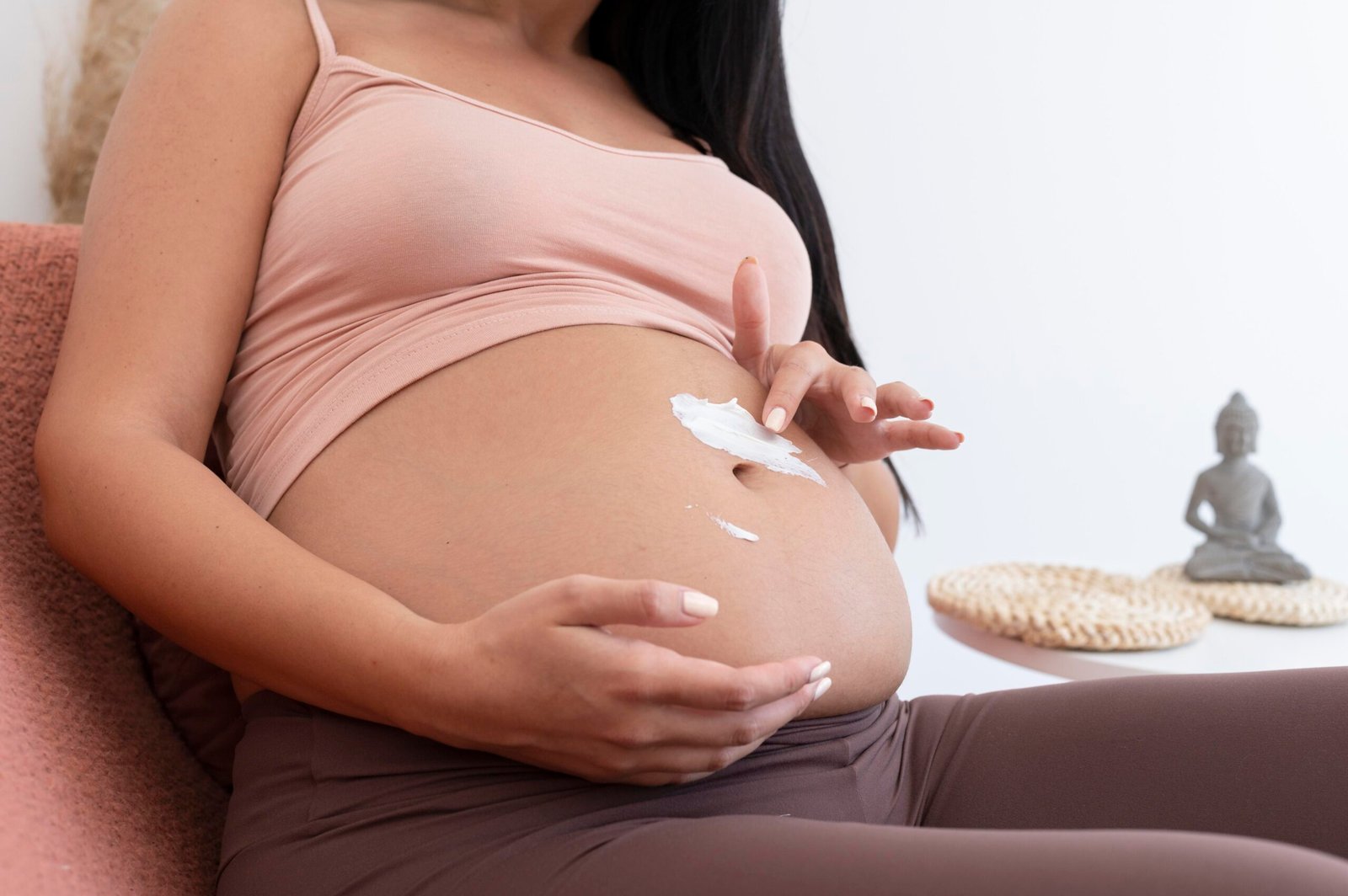
Pregnancy brings many physical and hormonal changes in a woman’s body, and the skin is one of the most visibly affected areas. These transformations are completely natural and usually temporary. Understanding what the skin changes during pregnancy can help expectant mothers manage them with confidence and care.
What Are the Skin Changes During Pregnancy?
The what is the skin during pregnancy question is common among first-time mothers. During pregnancy, the body experiences a surge in hormones like estrogen and progesterone. These hormonal shifts, along with increased blood flow and metabolic changes, lead to noticeable skin differences such as glow, pigmentation changes, acne, and stretch marks.
Many experts describe these as physiological skin during pregnancy, meaning they are normal biological responses rather than medical problems. These changes vary from woman to woman and may appear differently in each trimester.
Common Skin Changes During Pregnancy
The common skin during pregnancy includes a wide range of visible and invisible transformations. Some of the most frequent ones include:
- Stretch marks on the abdomen, thighs, and breasts
- Acne or breakouts due to hormonal fluctuations
- Increased skin sensitivity
- Dryness or oiliness changes
- Darkening of certain skin areas
These changes are part of the body’s natural adaptation to support fetal development and increased blood circulation.
Body Skin Changes During Pregnancy
The body skin during pregnancy is not limited to the face alone. The entire body transforms. The skin stretches significantly to accommodate the growing baby, often leading to stretch marks and itching.
Other changes include:
- Enlargement of blood vessels, causing visible veins
- Swelling in certain areas
- Increased sweating due to hormonal activity
- Formation of the linea nigra (dark line on the abdomen)
These are all normal and usually fade after delivery.
Skin Changes During Pregnancy Due To Hormones and Body Adaptation
The skin during pregnancy, due to hormonal imbalance and physiological adjustments are the primary cause of visible skin transformations. Increased estrogen can make the skin appear brighter or more radiant, often called the “pregnancy glow.”
At the same time, progesterone increases oil production, which may lead to acne. Blood volume also increases, which can make the skin look flushed or more sensitive than usual.
Additionally, the body retains more fluid, which can cause puffiness or swelling in certain areas of the skin.
Can Your Skin Color Change During Pregnancy?
Yes, whether your skin color can change during pregnancy is a very common concern. Many women notice darkening of certain areas, which is completely normal.
This happens due to increased melanin production. Common areas affected include:
- Face (melasma or pregnancy mask)
- Nipples and areola
- Neck and underarms
- Abdomen (linea nigra)
These changes in skin pigmentation during pregnancy are temporary in most cases and usually fade after childbirth or breastfeeding ends. However, sun protection can help reduce their intensity.
Understanding 37 Skin Changes During Pregnancy
There are many documented skin transformations, often grouped under the concept of 37 skin changes during pregnancy in medical literature and dermatology references. These include both common and less frequent changes, such as:
- Stretch marks
- Acne
- Hyperpigmentation
- Melasma
- Spider veins
- Palmar erythema
- Skin tags
- Increased sweating
- Itching (pruritus)
- Dry skin
- Oiliness changes
- Hair growth changes on the skin
- Nail changes
- Swelling-related skin tightness
While not every woman experiences all 37 changes, this list highlights how extensive pregnancy-related skin adaptation can be.
Managing Skin Changes During Pregnancy Naturally
Managing skin safely is important, especially since not all skincare products are safe during pregnancy. Here are some natural tips:
- Stay hydrated by drinking plenty of water
- Use gentle, fragrance-free moisturizers
- Apply sunscreen daily to reduce pigmentation
- Eat a balanced diet rich in vitamins and antioxidants
- Avoid harsh chemical-based skincare products
- Use natural oils like coconut or almond oil for hydration
These steps help support healthy skin without harming the baby.
Emotional Impact of Skin Changes
While skin changes are natural, they can sometimes affect self-confidence. It is important to remember that these changes are temporary and part of the body’s incredible ability to nurture life. Most skin conditions improve after delivery as hormone levels stabilize.
FAQs
1. What are the most common skin conditions during pregnancy?
The most common skin concerns during pregnancy include stretch marks, acne, pigmentation, dryness, and increased sensitivity due to hormonal fluctuations.
2. Why do skin change during pregnancy?
Soccursuring pregnancy occurs mainly due to hormonal shifts, increased blood flow, and changes in melanin production, which affect overall skin appearance and texture.
3. Can your skin color change during pregnancy permanently?
No, skin color during pregnancy is usually temporary. Most pigmentation issues fade after childbirth or after hormone levels return to normal.
4. Are physiological skin changes during pregnancy normal?
Yes, normaling pregnancy are expected. They are part of the body’s natural adaptation process to support fetal growth.
5. How can I reduce body skin conversion during pregnancy naturally?
You can reduce body skin during pregnancy by staying hydrated, using safe moisturizers, applying sunscreen, eating a balanced diet, and avoiding harsh chemical products.
Reference
https://pmc.ncbi.nlm.nih.gov/articles/PMC11497768/
https://pmc.ncbi.nlm.nih.gov/articles/PMC4311336/
1 250

No Comments