
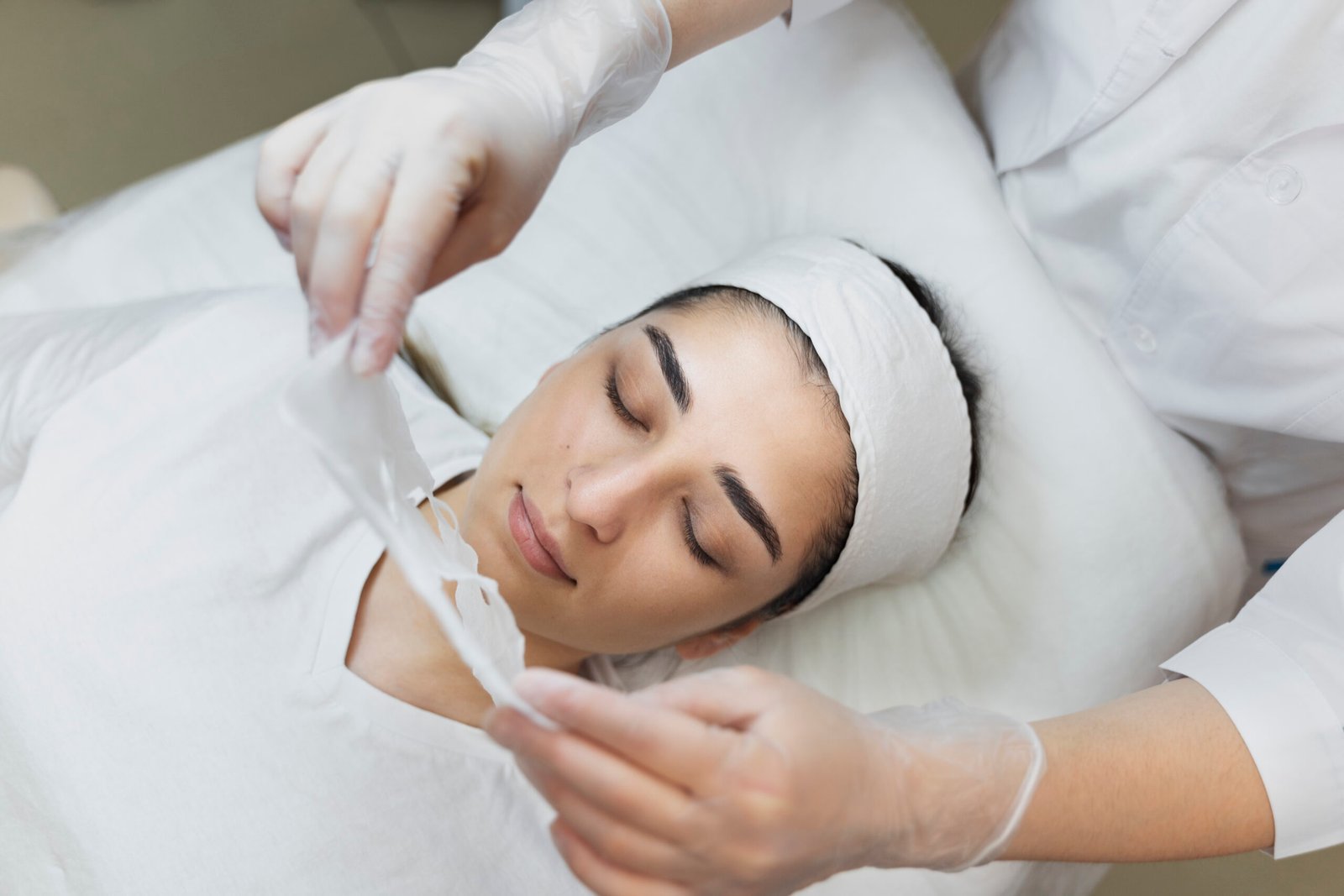
The skin, being both delicate and highly visible, is one of the most important organs of our body. Maintaining healthy, radiant skin is a priority for many, and with modern cosmetic advancements, treatments like skin peel treatment have become highly popular. Whether you are looking to reduce fine lines, treat acne scars, or rejuvenate your skin, skin peel treatments offer effective solutions. This article covers everything you need to know about skin peel treatments, including options for skin peel treatment at home, professional procedures, benefits, and aftercare tips.
What is a Skin Peel Treatment?
So, what is peeling treatment? A skin peel treatment, also known as chemical peeling, is a cosmetic procedure that involves applying a chemical solution to the skin. This solution helps exfoliate and remove damaged outer layers, promoting the growth of new, healthy skin. Skin peel treatments can target various concerns, such as uneven skin tone, hyperpigmentation, acne scars, sun damage, and fine lines.
The results of a peel can vary based on its depth. Superficial peels target the outermost skin layer, providing mild exfoliation, while medium and deep peels penetrate further, offering more dramatic improvements.
Types of Skin Peel Treatments
There are several types of skin peel treatment face options available:
Superficial Peels – Utilizing gentle acids such as alpha hydroxy acid (AHA), these peels provide mild exfoliation to refresh the skin. These are safe for all skin types and allow for quick recovery with minimal downtime.
Medium Peels – Utilizing trichloroacetic acid (TCA), medium peels penetrate deeper layers to treat fine lines, uneven pigmentation, and minor scars. Recovery time may take 1–2 weeks.
Deep Peels – These peels are more intensive and often use phenol solutions. They can correct severe skin damage and deep wrinkles, but require a longer recovery period and professional supervision.
Benefits of Skin Peel Treatments
Opting for a peeling treatment on the face offers multiple benefits:
- Exfoliation and Skin Renewal: Removes dead skin cells and promotes cell turnover.
- Improved Skin Texture: Smoothens rough patches and softens the skin.
- Reduced Hyperpigmentation: Helps fade dark spots, sun damage, and acne scars.
- Anti-Aging Benefits: Helps diminish fine lines while restoring a radiant, youthful appearance.
- Acne Management: Helps clear clogged pores and reduce breakouts.
Skin Peel Treatment at Home
While professional treatments provide more dramatic results, skin peel treatment at home is also an option for those looking for mild exfoliation and skin maintenance. At-home peels usually contain lower concentrations of acids like glycolic acid or lactic acid, making them safer for regular use.
Tips for at-home skin peel treatment:
- Always do a patch test before applying the product to your face, and carefully.
- Follow the instructions for application time and frequency.
- Avoid sun exposure immediately after a peel, and always use sunscreen.
- Moisturize well to support the healing and renewal process.
At-home peels can be effective for maintaining smooth and radiant skin, but may not provide the same deep results as professional procedures.
Preparing for a Skin Peel Treatment
Before undergoing a skin peel treatment, face preparation is key for optimal results:
- Consult a Professional: Discuss your skin type, concerns, and any medical conditions.
- Avoid Sun Exposure: Minimize sun exposure for at least one week before the treatment.
- Stop Certain Medications: Some medications, like retinoids, can increase skin sensitivity.
- Clean Skin: Ensure the skin is clean and free of makeup or oils.
Proper preparation helps reduce the risks of irritation, redness, or uneven results.
Aftercare Tips
After a skin peel treatment, your skin needs gentle care:
- Moisturize Regularly: Helps the skin heal and prevents excessive dryness.
- Avoid Sun Exposure: Newly peeled skin is sensitive; apply broad-spectrum sunscreen daily.
- No Picking or Scrubbing: Let your skin naturally peel and renew itself.
- Gentle Cleansing: Stick to mild cleansers and steer clear of abrasive scrubs or strong exfoliants.
Following these aftercare tips ensures the best results and helps your skin recover quickly.
Skin Peel Treatment for Different Skin Concerns
Skin peel treatments can address various skin issues:
- Acne Scars: Medium peels can smooth out mild acne scars and marks.
- Fine Lines and Wrinkles: Deep peels reduce the appearance of lines, especially around the eyes and mouth.
- Hyperpigmentation: Sun spots, dark patches, and uneven skin tone can improve significantly.
- Dull Skin: Regular peels brighten the complexion and restore radiance.
Risks and Precautions
While skin peel treatment face is generally safe, it’s important to understand potential risks:
- Redness, irritation, or peeling
- Temporary darkening or lightening of the skin
- Sensitivity to sunlight
- Rarely, infection or scarring
Choosing a reputable clinic for professional treatments and following guidelines for at-home peels reduces these risks.
In conclusion, whether you are considering a professional peeling treatment or an at-home solution, understanding what a skin peel treatment entails is crucial for safe and effective results. With proper care, preparation, and aftercare, skin peel treatments can help you achieve smoother, brighter, and more youthful-looking skin.
FAQs
1. How often should I get a peeling treatment?
Superficial peels can be done every 4–6 weeks, while medium and deep peels are typically done less frequently due to longer recovery periods.
2. Can I do a peeling treatment at home safely?
Yes, skin peel treatment at home is safe with mild acids and proper precautions. However, deeper issues like severe acne scars or wrinkles are best treated professionally.
3. Does a skin peel treatment hurt?
Mild peels may cause tingling or a slight burning sensation. Medium and deep peels can be more uncomfortable, sometimes requiring numbing agents or sedation.
4. What is a skin peel treatment best for?
A peeling treatment face is best for exfoliating dead skin, improving texture, reducing pigmentation, treating acne scars, and diminishing fine lines.
5. When can you expect to see results from a peeling treatment?
Results vary depending on peel type. Superficial peels show improvement in 1–2 weeks, while medium and deep peels may take several weeks for full results.
Reference
https://my.clevelandclinic.org/health/treatments/11010-chemical-peels
https://www.mayoclinic.org/tests-procedures/chemical-peel/about/pac-20393473
https://www.apollohospitals.com/procedures/chemical-peeling-therapy
0 200

No Comments