
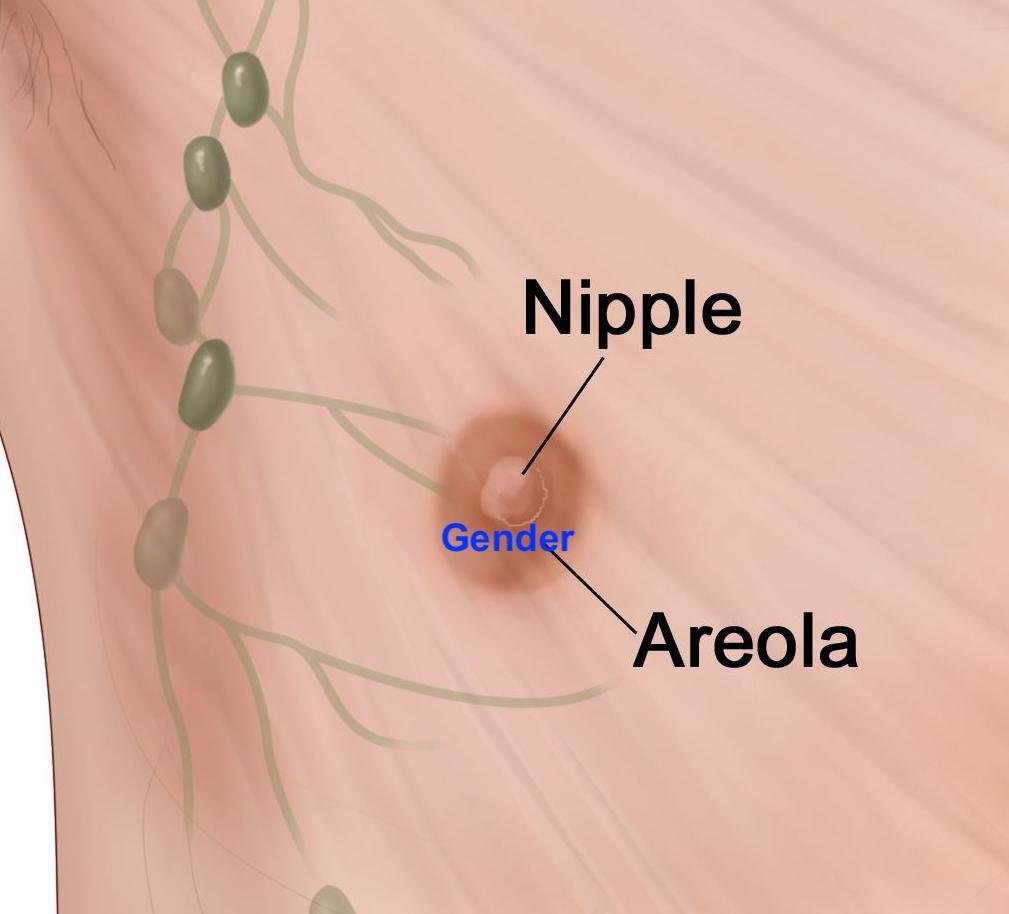
The areola is an important but often misunderstood part of breast anatomy. Many people search for terms like what is areola, what does areola mean, or areolas meaning to better understand their bodies. This guide explains everything clearly — from structure and function to pregnancy-related changes and common concerns.
What Is Areola?
If you’re wondering what is areola, it refers to the circular area of darker skin surrounding the nipple. The term comes from Latin, meaning “small area” or “little open space.”
When people ask what is areola in breast, they are referring specifically to this pigmented region that plays a vital role in breastfeeding and breast health.
The areola contains:
-
Montgomery glands (oil-secreting glands)
-
Nerve endings
-
Smooth muscle fibers
-
Pigmented skin cells
These components help protect the nipple and assist infants during feeding.
Areolas Meaning in Anatomy
The plural term areolas meaning simply refers to multiple areolae (both breasts). The size, color, and texture vary widely from person to person — and all variations are normal.
Areolas can be:
-
Light pink
-
Brown
-
Dark brown
-
Reddish
-
Nearly black
Skin tone often influences areola color.
What Determines Areola Size?
A common question is what determines areola size. Several factors influence size:
-
Genetics
-
Hormonal levels
-
Puberty changes
-
Pregnancy
-
Weight fluctuations
-
Aging
Areolas can range from about 2.5 cm to over 10 cm in diameter. There is no “standard” size.
Big Areola Meaning: Is It Normal?
Many people search big areola meaning or big areola means out of concern. The truth is:
-
Larger areolas are completely normal.
-
Size does not indicate health problems.
-
It does not affect breast function.
Areola size does not predict fertility, sexual health, or breastfeeding ability. It is simply natural variation.
Areolar Connective Tissue Explained
You may also come across the term areolar connective tissue or loose areolar connective tissue. This refers to a type of connective tissue found throughout the body — not just in the breast.
Loose areolar connective tissue:
-
Connects skin to underlying structures
-
Allows flexibility and movement
-
Provides support to blood vessels and nerves
It plays a structural role but is different from the visible areola on the breast.
Breastfeeding and the Areola
The breastfeeding areola plays a crucial role during nursing. During breastfeeding, babies latch onto not only the nipple but also a portion of the surrounding areola.
-
The areola becomes more elastic.
-
Montgomery glands release protective oils.
-
The darker pigmentation helps newborns visually locate the nipple.
A proper latch includes much of the areola in the baby’s mouth, not just the nipple.
Secondary Areola
A secondary areola can appear during pregnancy. This refers to a darker ring that forms around the original areola.
This change happens due to hormonal shifts, especially increased estrogen and progesterone. It is temporary in many cases but may persist after childbirth.
Breast Changes During Pregnancy and Cancer Concerns
Breast Changes During Pregnancy
Hormonal fluctuations cause several visible changes:
-
Darkening of the areola
-
Enlargement
-
Increased sensitivity
-
More visible veins
-
Development of a secondary areola
Some people search for 1 week darkening areola early pregnancy pictures to compare early signs. While mild darkening can begin early, visible changes typically become more noticeable after several weeks.
Cancer Areola Breast Changes During Pregnancy
It’s important to distinguish normal pregnancy changes from warning signs. Although rare, some concerning symptoms include:
-
Persistent rash on the areola
-
Thickened skin resembling orange peel
-
Unusual discharge
-
Inversion of the nipple
-
One-sided drastic change
If you notice unusual cancer areola breast changes during pregnancy, consult a healthcare provider promptly.
Areola PSG – What Does It Mean?
The term areola psg can sometimes appear in online searches but does not refer to a standard medical diagnosis. In medical contexts, “PSG” usually refers to polysomnography (a sleep study), which is unrelated to areola anatomy. If you’ve encountered this term in a medical report, clarification from a healthcare provider is recommended.
Why Do Areolas Darken?
Darkening can occur due to:
-
Puberty
-
Pregnancy
-
Hormonal birth control
-
Menstrual cycles
-
Aging
-
Genetics
Melanin production increases under hormonal influence, causing pigmentation changes.
Texture and Bumps on the Areola
Small bumps on the areola are normal. These are Montgomery glands, which:
-
Secrete oil to prevent dryness
-
Protect against bacteria
-
Support breastfeeding
They may become more noticeable during pregnancy.
Emotional and Psychological Aspects
Some individuals feel self-conscious about areola size, color, or symmetry. However:
-
There is no “perfect” size.
-
Symmetry is rarely exact.
-
Variation is biologically normal.
Understanding what does areola mean and how natural diversity works can reduce unnecessary worry.
FAQs
1. What does areola mean exactly?
2. What determines areola size?
Areola size is primarily determined by genetics and hormones. Puberty, pregnancy, aging, and weight changes can also influence size.
3. Is having a big areola normal?
Yes. Big areola meaning simply refers to natural variation. Larger areolas are common and do not indicate any health problem.
4. Can areola darkening be an early sign of pregnancy?
Yes, darkening may occur early due to hormonal changes. However, it usually becomes more noticeable after a few weeks rather than just one week.
5. When should I worry about areola changes?
Seek medical advice if you notice persistent rash, scaling, unusual discharge, sudden asymmetry, or thickened skin. These could signal underlying conditions.
Final Thoughts
Understanding what is areola in breast anatomy helps normalize the wide range of natural variations. From size differences to pregnancy-related changes, areolas are highly responsive to hormones and life stages.
Most changes are completely normal — especially during puberty and pregnancy. If you ever feel unsure about symptoms or notice unusual changes, consulting a healthcare professional provides reassurance and guidance.
The key takeaway: areolas come in many shapes, sizes, and shades — and that diversity is entirely natural.
Reference
https://www.sciencedirect.com/topics/medicine-and-dentistry/areola
https://www.cancer.gov/publications/dictionaries/cancer-terms/def/areola
https://www.healthline.com/health/womens-health/large-areola
0 200

No Comments