
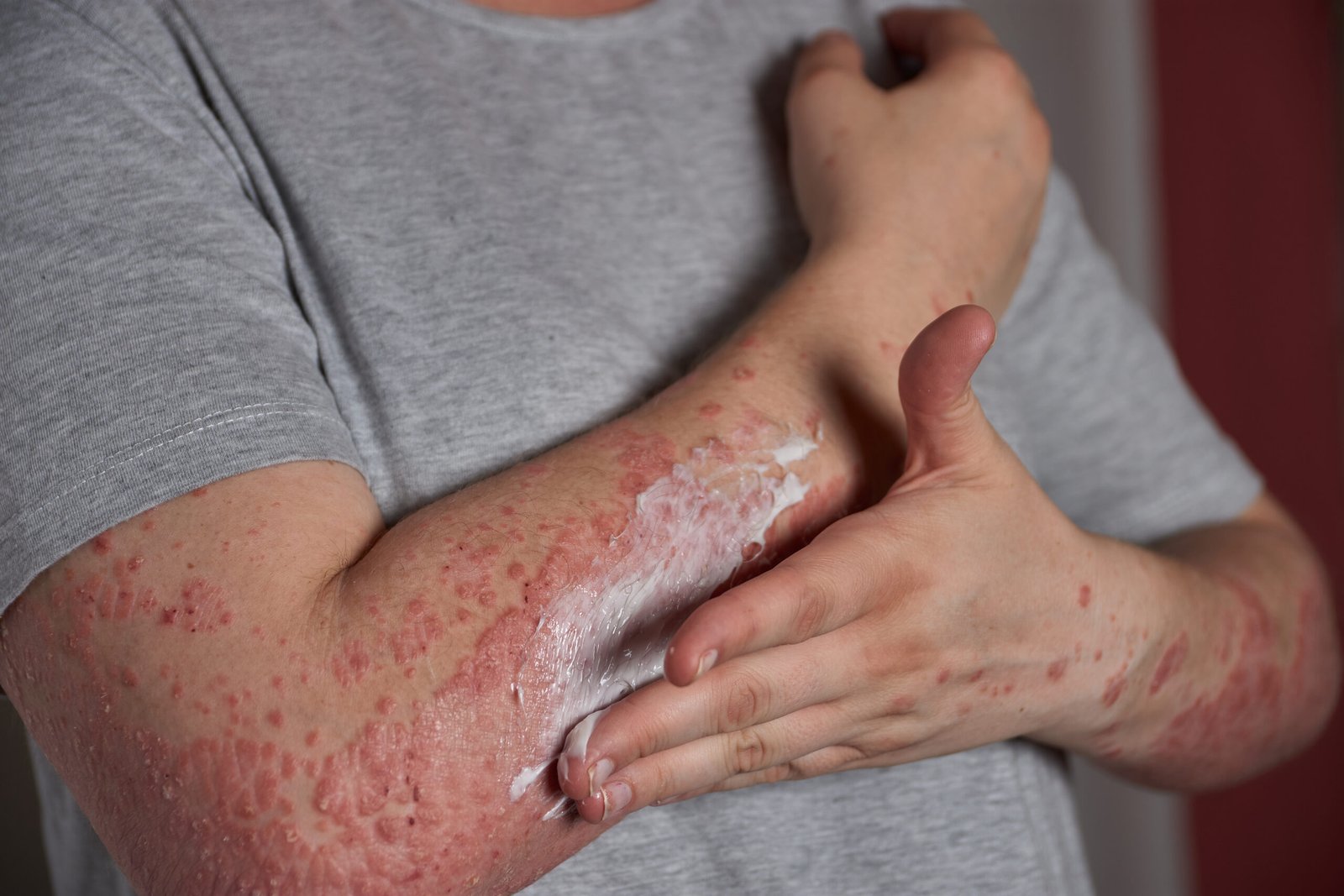
Scalp eczema and scalp psoriasis may look alike, but they’re not the same. Both can trigger intense itching, redness, and stubborn flakes, yet their causes, symptoms, and treatment options can differ significantly. Learn the key differences so you can better understand what’s affecting your scalp and find the right approach for relief.
Both conditions are non-contagious and can affect people of all ages, but they impact the skin in distinct ways and require different care strategies.
What Is Eczema?
Eczema, also called atopic dermatitis, is a long-term inflammatory skin condition that causes dryness, itching, and skin irritation. It commonly begins in childhood, although adults can also develop eczema later in life. Eczema is closely associated with allergic conditions such as asthma, hay fever, and food allergies.
Causes of Eczema
Eczema develops due to a mix of genetic predisposition, immune system responses, and environmental triggers. A key issue in eczema is a weakened skin barrier, which allows moisture to escape and irritants to enter the skin more easily. Common triggers include:
-
Allergens like pollen, dust mites, and pet dander
-
Harsh soaps, detergents, and skincare products
-
Stress and emotional factors
-
Cold, dry weather or sudden climate changes
Because the skin barrier is compromised, eczema-prone skin becomes easily inflamed and itchy.
Symptoms of Eczema
Symptoms of eczema may vary in severity and include:
-
Intense itching, often worse at night.
-
Dry, rough, or scaly skin
-
Red or brownish patches, especially on the hands, face, elbows, and knees
-
Oozing, crusting, or thickened skin in chronic cases
Scratching eczema-affected skin can worsen symptoms and increase the risk of infection.
What Is Psoriasis?
Psoriasis is a chronic autoimmune skin disease in which the immune system causes skin cells to multiply much faster than normal. Instead of shedding naturally, these excess skin cells accumulate on the surface, forming thick, scaly patches.
Psoriasis typically develops in adulthood, although it can appear at any age. It often runs in families and may be associated with other autoimmune conditions.
Causes of Psoriasis
Psoriasis occurs due to immune system dysfunction, where immune cells mistakenly attack healthy skin cells. Common triggers include:
-
Stress
-
Infections, particularly strep throat
-
Skin injuries such as cuts or burns
-
Certain medications, including beta-blockers and lithium
Unlike eczema, psoriasis is not primarily linked to allergies or skin barrier weakness.
Symptoms of Psoriasis
Common symptoms of psoriasis include:
-
Thick, raised red patches of skin
-
Silvery-white scales on the surface
-
Mild to moderate itching or burning sensation
-
Cracked skin that may bleed
Psoriasis most often appears on the scalp, elbows, knees, lower back, and fingernails or toenails.
Key Differences Between Eczema and Psoriasis
Appearance
One of the clearest differences between eczema and psoriasis is how the skin lesions look. Eczema patches tend to be red, inflamed, and less defined, often appearing raw or irritated. Psoriasis patches are thicker, well-defined, and covered with silvery scales.
Itching vs. Pain
Eczema is known for severe, persistent itching that can be intense and disruptive. Psoriasis may itch, but it is more often associated with burning, stinging, or soreness rather than overwhelming itch.
Age of Onset
Eczema usually begins in infancy or early childhood, though it can persist into adulthood. Psoriasis most commonly develops in adults between the ages of 15 and 35.
Immune System Role
Eczema is linked to immune hypersensitivity and skin barrier dysfunction, while psoriasis is a true autoimmune disease involving abnormal immune cell activity that accelerates skin cell growth.
Triggers and Flare-Ups
Both eczema and psoriasis are chronic conditions that go through periods of flare-ups and remission. However, the triggers differ:
-
Eczema triggers: Allergens, irritants, dry air, stress, and certain fabrics.
-
Psoriasis triggers: Stress, infections, skin injuries, smoking, and alcohol.
Identifying and avoiding personal triggers is essential for managing both conditions.
Treatment Differences
Eczema Treatment
Eczema treatment focuses on repairing the skin barrier and reducing inflammation. Common treatments include:
-
Regular use of moisturisers and emollients
-
Topical corticosteroids to reduce inflammation
-
Antihistamines to relieve itching
-
Gentle skincare routines and trigger avoidance
Lifestyle changes such as stress management and proper hydration play a major role.
Psoriasis Treatment
Psoriasis treatment aims to slow down skin cell turnover and regulate immune activity. Treatment options include:
-
Topical corticosteroids and vitamin C analogues
-
Phototherapy
-
Oral medications or biologic drugs for moderate to severe cases
Treatment plans are often long-term and tailored to disease severity.
Impact on Mental and Emotional Health
Both eczema and psoriasis can significantly affect emotional well-being. Chronic itching, visible skin lesions, and recurring flare-ups can lead to stress, anxiety, low self-esteem, and social withdrawal. Addressing mental health alongside physical symptoms is an important part of comprehensive care.
When to Seek Medical Advice
If skin symptoms persist, worsen, or interfere with daily activities, it is important to consult a dermatologist. Proper diagnosis ensures the right treatment plan and helps prevent complications such as infections, skin thickening, or joint involvement in psoriasis.
FAQs
1. Are eczema and psoriasis the same condition?
No, they are different skin conditions with distinct causes and treatments.
2. Which condition causes more itching?
Eczema usually causes more intense itching than psoriasis.
3. Can someone have both eczema and psoriasis?
Yes, although rare, some individuals may experience both conditions.
4. Is psoriasis more serious than eczema?
Both can be serious depending on severity, but psoriasis may be associated with systemic complications.
5. Can stress trigger both eczema and psoriasis?
Yes, stress is a common trigger for flare-ups in both conditions.
Reference
https://www.webmd.com/skin-problems-and-treatments/psoriasis/psoriasis-or-eczema
https://my.clevelandclinic.org/health/diseases/22828-scalp-psoriasis
0 200
No Comments