
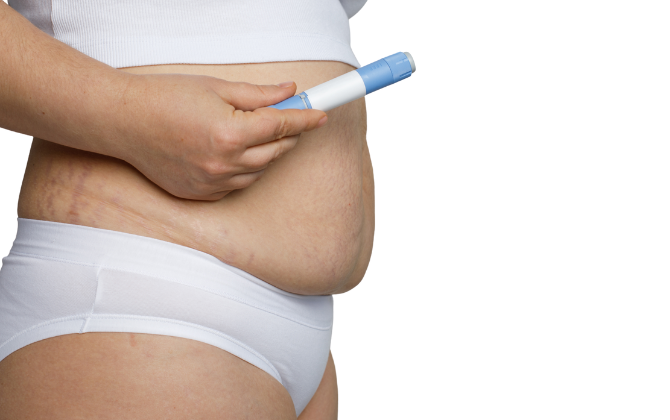
Managing type 2 diabetes involves choosing the right medications to control blood sugar levels, reduce complications, and improve overall health outcomes. Among the leading medications in 2025 are Rybelsus and Jardiance, both widely prescribed but operating through different mechanisms. This updated guide compares Rybelsus and Jardiance in terms of how they work, their effectiveness, side effects, weight loss potential, cardiovascular benefits, and more.
Overview of Rybelsus and Jardiance
What is Rybelsus?
Rybelsus is the oral form of semaglutide, a GLP-1 receptor agonist. It was the first oral GLP-1 drug approved for the treatment of type 2 diabetes. GLP-1 drugs mimic a hormone that helps regulate blood sugar, suppress appetite, and slow gastric emptying.
- Generic name: Semaglutide (oral)
- Class: GLP-1 receptor agonist
- Dosing: Taken once daily, orally
- FDA approval: 2019 (updated indications through 2024)
What is Jardiance?
Jardiance, on the other hand, is an SGLT2 inhibitor. It works by preventing the kidneys from reabsorbing glucose into the bloodstream, leading to excess glucose being excreted through urine. Jardiance is also known for its cardiovascular and kidney protective effects.
- Generic name: Empagliflozin
- Class: SGLT2 inhibitor
- Dosing: Taken once daily, orally
- FDA approval: 2014 (expanded uses up to 2023, including heart failure and kidney disease)
How Do They Work? Mechanism of Action
Rybelsus (Semaglutide)
- Mimics GLP-1, a natural hormone released after eating.
- Increases insulin secretion when blood sugar is high.
- Decreases glucagon secretion.
- Slows gastric emptying, reducing appetite and aiding weight loss.
Jardiance (Empagliflozin)
- Inhibits SGLT2 proteins in the kidneys.
- Reduces glucose reabsorption, causing sugar to be passed in urine.
- Also helps lower blood pressure and body weight modestly.
- Provides benefits in heart failure and chronic kidney disease.
Effectiveness in Lowering Blood Sugar (A1C Reduction)
Both medications are effective at lowering HbA1c, the key marker of long-term blood sugar control.
Rybelsus typically offers greater A1C reduction, especially at higher doses (14 mg). However, Jardiance starts working more quickly.
Weight Loss Effects
Weight management is crucial in type 2 diabetes. Both drugs offer some benefit:
- Rybelsus: Significant weight loss potential, particularly at the 14 mg dose. Patients often lose 4–6 kg (9–13 lbs) over 6 months to a year.
- Jardiance: Modest weight loss of 1–3 kg (2–6 lbs). Weight reduction comes from both water loss and fat loss.
Winner: Rybelsus for weight loss.
Cardiovascular and Renal Benefits
Many patients with type 2 diabetes also suffer from heart and kidney conditions. Here’s how the two compare:
Jardiance
- Proven to reduce risk of cardiovascular death in patients with type 2 diabetes and heart disease.
- Approved for heart failure (with and without diabetes).
- Slows the progression of chronic kidney disease (CKD).
Rybelsus
- The injectable form of semaglutide (Ozempic) has proven cardiovascular benefits.
- Rybelsus has shown potential, but oral data is still emerging.
- Not currently approved for kidney or heart failure protection.
Winner: Jardiance for cardiovascular and renal protection.
Side Effects and Safety
Both medications are generally well-tolerated, but they have different side effect profiles.
Rybelsus Common Side Effects
- Nausea, vomiting, diarrhea (usually improves with time)
- Decreased appetite
- Possible risk of thyroid tumors (seen in rodents)
- Rare: Pancreatitis, gallbladder issues
Jardiance Common Side Effects
- Increased urination
- Genital yeast infections (especially in women)
- Dehydration, low blood pressure
- Rare: Diabetic ketoacidosis (especially in those with low insulin levels)
Important Safety Notes:
- Rybelsus is not for patients with a history of medullary thyroid carcinoma or pancreatitis.
- Jardiance is not recommended for patients with type 1 diabetes or severe kidney impairment.
Ease of Use and Adherence
- Rybelsus must be taken on an empty stomach with a small amount of water, and patients must wait 30 minutes before eating or drinking anything else. This can be inconvenient for some.
- Jardiance can be taken with or without food, at any time of day.
Winner: Jardiance for ease of use.
Which One Should You Choose?
The decision between Rybelsus and Jardiance depends on your personal health goals, comorbid conditions, and preferences.
Choose Rybelsus if:
- Your primary goal is blood sugar reduction and significant weight loss.
- You prefer GLP-1 therapy but want to avoid injections.
- You don’t have cardiovascular or kidney issues.
Choose Jardiance if:
- You have a history of heart disease, heart failure, or chronic kidney disease.
- You want a simple dosing schedule.
- You are prone to GI side effects and want to avoid them.
Some patients may even take both medications under doctor supervision, as they target diabetes through different mechanisms.
Expert Insights for 2025
Recent studies in 2024 and early 2025 continue to support both drugs as effective tools in diabetes management. The trend in 2025 is increasingly toward combination therapy, where multiple drugs with different mechanisms are used together for better outcomes.
Emerging research also indicates:
- Oral semaglutide (Rybelsus) may eventually be approved for cardiovascular risk reduction.
- Newer SGLT2/GLP-1 combination pills are in development, aiming to combine the best of both worlds.
Bottom Line
Both Rybelsus and Jardiance are excellent options for managing type 2 diabetes, each with distinct strengths. While Rybelsus excels in glucose lowering and weight loss, Jardiance leads in heart and kidney protection. The choice should be made in consultation with a healthcare provider, based on individual health needs and lifestyle.
Always consult your doctor before starting or changing medications. Diabetes care is highly individualized, and what works for one person may not be ideal for another.
0 200

No Comments