
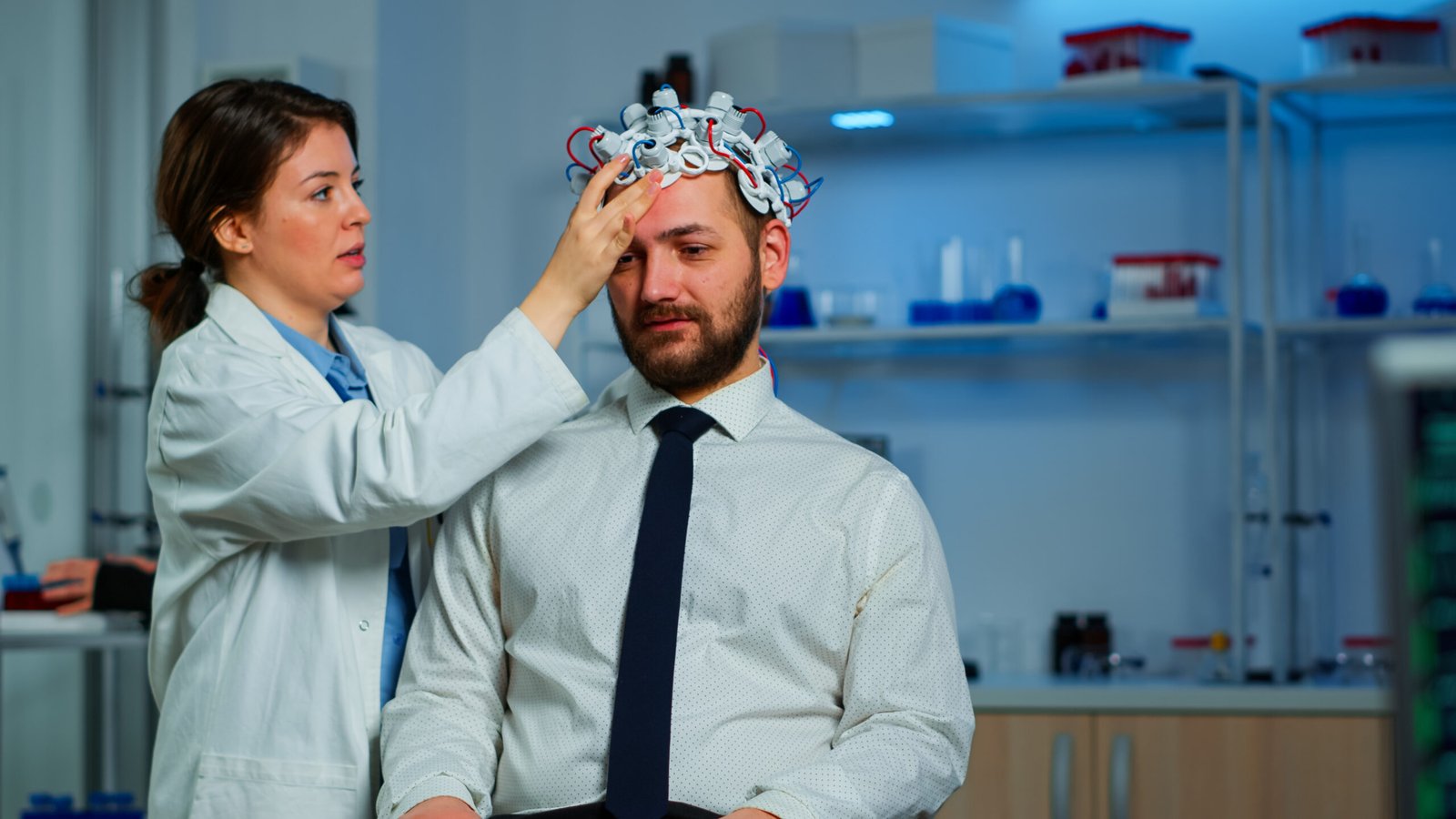
A traumatic brain injury (TBI) occurs when an external force, such as a blow to the head or sudden impact, damages the brain. TBIs range from mild, like a concussion, to severe, resulting in long-term impairment or disability. Understanding the causes, symptoms, treatment options, and recovery process is crucial for survivors and their families.
What Is TBI?
A TBI happens when the brain is jolted or struck, disrupting normal function. Unlike ICD 10 non traumatic brain injury, which refers to injuries not caused by external forces, TBI results from incidents such as falls, car accidents, sports injuries, or violent assaults.
Symptoms of a TBI can appear immediately or develop over time, and they can affect cognition, vision, balance, and emotional health.
Brain traumatic injury symptoms
TBI symptoms vary based on severity:
-
Mild TBI: Headaches, dizziness, confusion, blurred vision, fatigue, or mood changes.
-
Moderate TBI: Persistent headache, repeated vomiting, slurred speech, or coordination problems.
-
Severe TBI: Loss of consciousness, seizures, profound confusion, and cognitive or motor impairment.
Some survivors also experience traumatic brain injury eyes issues, including blurred vision, double vision, or difficulty tracking moving objects.
Complications of Traumatic Brain Injury
Complications of TBIcan include:
-
Cognitive deficits such as memory loss or difficulty concentrating
-
Emotional or behavioral changes, including depression and anxiety
-
Sleep disturbances and fatigue
-
Physical impairments like paralysis or balance issues
-
Long-term neurological conditions, including seizures or post-traumatic headaches
Understanding potential complications is essential for planning TBI treatment options and rehabilitation strategies.
Traumatic Brain Injury Treatment Options
Treatment depends on the severity and type of injury.
Mild TBI
-
Rest and monitoring symptoms
-
Over-the-counter pain relief for headaches
-
Cognitive rest to avoid overstimulation
Moderate Traumatic Brain Injury Treatment
-
Hospitalization for monitoring and imaging
-
Medications to reduce swelling and prevent seizures
-
Surgery in cases of bleeding or brain swelling
Therapy for Traumatic Brain Injuries
-
Physical therapy to regain strength and coordination
-
Occupational therapy to improve daily functioning
-
Speech therapy for communication difficulties
-
Cognitive therapy to improve memory and problem-solving skills
Traumatic brain injury and rehabilitation are critical for recovery, helping survivors regain independence and improve quality of life.
Traumatic Brain Injury and Recovery
Recovery varies widely among TBI survivors. Some recover fully within weeks or months, while others face long-term challenges. Factors affecting recovery include:
-
Severity of injury
-
Age and overall health
-
Promptness and quality of medical care
-
Access to rehabilitation and therapy
Ongoing support from family, healthcare professionals, and therapists is vital for TBI recovery.
Legal and Financial Considerations
TBI lawyers or a traumatic brain injury attorney can help victims pursue compensation for medical expenses, lost income, and pain and suffering.
-
Traumatic brain injury claim: Filing a claim may help recover costs related to treatment and rehabilitation.
-
Traumatic brain injury compensation amount: Compensation varies based on TBI severity, medical expenses, lost wages, and long-term care needs.
-
Traumatic brain injury lawyer: Experienced attorneys can guide survivors through the legal process and help maximize settlements.
Traumatic Brain Injury IAP
The TBI IAP (Individualized Assistance Plan) is a structured approach to care that personalizes rehabilitation and therapy programs based on the survivor’s needs. It helps set goals for recovery and tracks progress over time.
Supporting Traumatic Brain Injury Survivors
Caring for a TBI survivor requires patience and understanding. Family members and caregivers play a critical role in recovery, including:
-
Monitoring symptoms and ensuring adherence to treatment
-
Assisting with daily activities and mobility
-
Encouraging participation in therapy and rehabilitation programs
-
Providing emotional support and promoting mental well-being
Support groups and counseling can also help survivors and families cope with the challenges of life after a TBI.
Conclusion
TBI is a serious condition that affects millions worldwide. Early recognition of TBI symptoms, prompt medical attention, and ongoing rehabilitation are essential for optimal recovery. Survivors may also benefit from legal guidance through TBI lawyers to secure compensation and support for long-term care.
With proper medical care, therapy, and support, many TBI survivors regain independence, improve their quality of life, and successfully navigate the challenges posed by TBI.
FAQs
1. What are the common symptoms of TBI?
Symptoms can include headaches, dizziness, confusion, blurred vision, mood changes, and, in severe cases, loss of consciousness or cognitive impairment.
2. What are the treatment options for moderate TBI?
Moderate TBI treatment may involve hospitalization, medication, surgery if necessary, and therapy for TBI, including physical, occupational, and cognitive therapies.
3. Can TBI survivors receive compensation?
Yes. A TBI claim can help survivors recover costs for medical care, lost income, and pain and suffering. TBI or an attorney can guide this process.
4. How long does recovery take after a TBI?
Recovery varies. Mild injuries may improve within weeks, while moderate or severe TBIs may require months or years of rehabilitation, depending on the severity and access to care.
5. What complications can arise from TBI?
Complications of TBI can include cognitive deficits, emotional changes, sleep problems, physical impairments, and long-term neurological conditions like seizures.
Reference
https://my.clevelandclinic.org/health/diseases/8874-traumatic-brain-injury
https://www.ninds.nih.gov/health-information/disorders/traumatic-brain-injury-tbi
0 200

No Comments