
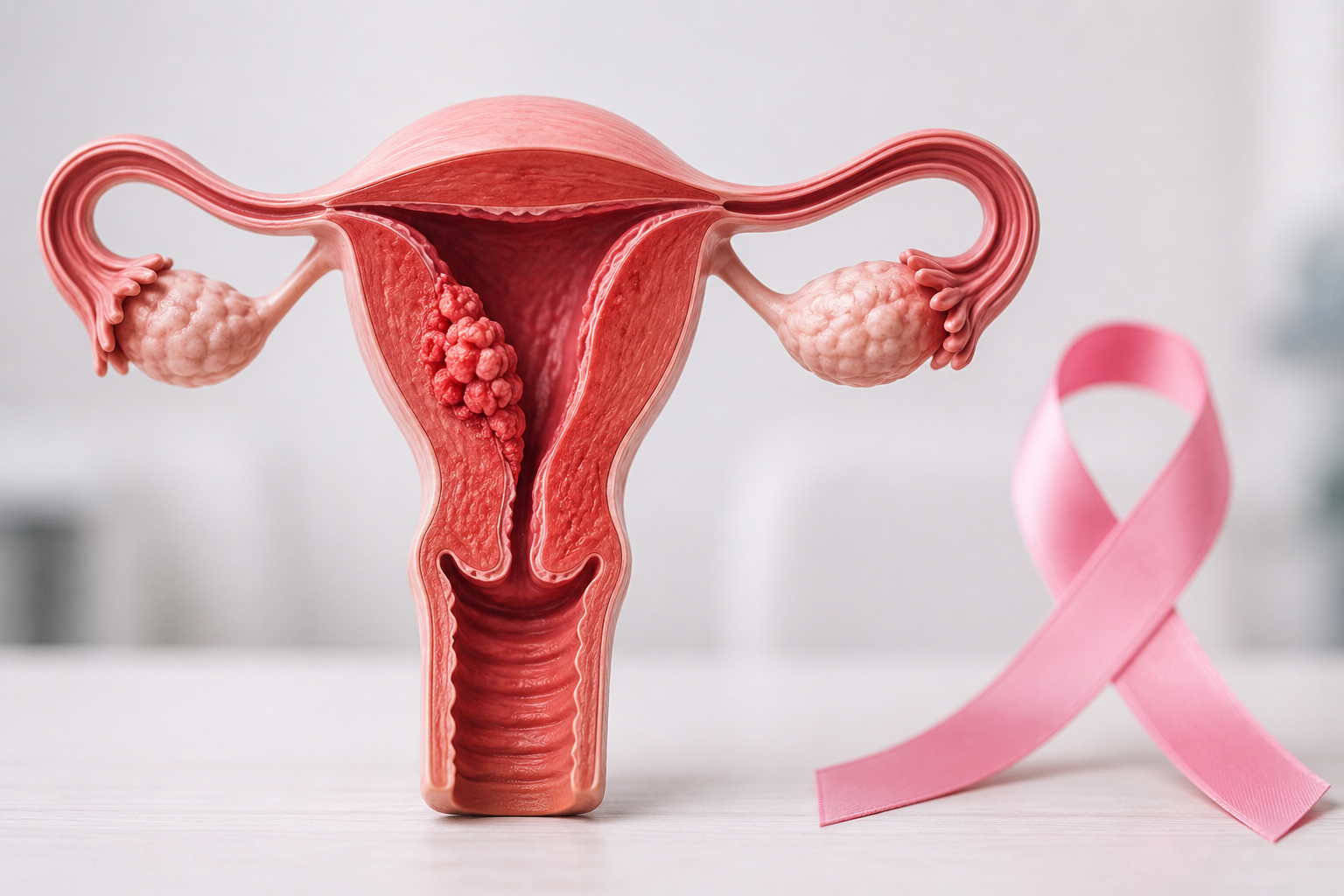
Endometrial cancer occurs when abnormal cells develop and grow in the endometrium, the inner lining of the uterus. It is the most common type of uterine cancer and primarily affects women after menopause, although it can occur at younger ages. Understanding what is the endometrium and recognizing early warning signs can help improve the chances of successful treatment.
The endometrium is the inner tissue layer of the uterus that thickens during each menstrual cycle to support a potential pregnancy. If cells within this lining start growing abnormally and uncontrollably, endometrial cancer may occur.
What Does Endometrium Mean?
Many people ask, what does endometrium mean? The endometrium is the soft, glandular tissue lining the inside of the uterus. It responds to hormonal changes during the menstrual cycle and plays an essential role in implantation and pregnancy.
If you’re wondering where is the endometrium located, it is found on the inner wall of the uterus, surrounding the uterine cavity. In medical terminology, the endometrium medical term refers specifically to this specialized inner lining that supports reproductive health.
Understanding the Endometrial Cavity
Another common question is what is the endometrial cavity? The endometrial cavity is the hollow space inside the uterus where the endometrial lining is located. During pregnancy, this cavity becomes the space where a fertilized egg implants and develops into a fetus.
Some people search for endometrio in English, which simply translates to endometrium.
Causes and Risk Factors
Doctors do not always know the exact cause of endometrial cancer, but several factors increase the likelihood of developing the disease. The most common risk factor for endometrial cancer is prolonged exposure to estrogen without enough progesterone to balance its effects.
Other risk factors include:
- Obesity
- Diabetes
- High blood pressure
- Family history of uterine or colorectal cancer
- Increasing age
- Never having been pregnant
- Hormone replacement therapy containing estrogen alone
Many women also ask what causes uterine cancer in women. While hormonal imbalance is considered a major contributor, genetic mutations and certain inherited conditions may also play a role.
Symptoms of Endometrial Cancer
Recognizing the symptoms of endometrial cancer early is extremely important. The disease often produces warning signs before it spreads, making early diagnosis possible.
Common symptoms include:
- Abnormal vaginal bleeding
- Bleeding after menopause
- Pelvic pain or pressure
- Pain during intercourse
- Unusual vaginal discharge
- Pain while urinating in some cases
Among the early signs and symptoms of endometrial cancer, postmenopausal bleeding is considered the most significant and should never be ignored.
Many women searching online for uterine cancer symptoms women are often concerned about unexpected bleeding, which is one of the earliest reasons patients seek medical care.
Diagnosis
Healthcare providers use several tests to diagnose endometrial cancer. These may include:
- Pelvic examination
- Transvaginal ultrasound
- Endometrial biopsy
- Hysteroscopy
- CT scan or MRI for staging
A biopsy provides the most accurate diagnosis because it allows doctors to examine uterine tissue under a microscope.
Treatment Options
Treatment for endometrial cancer is based on several factors, including the cancer’s stage, tumor grade, and the patient’s overall health and individual medical needs.
Common treatments include:
- Surgery to remove the uterus (hysterectomy)
- Removal of ovaries and fallopian tubes
- Radiation therapy
- Chemotherapy
- Hormone therapy
- Targeted therapy
- Immunotherapy in selected cases
Most women diagnosed at an early stage have an excellent prognosis after surgery.
Types of Uterine Cancer
People often search what uterus cancer to understand the different forms of the disease. Uterine cancer generally includes two major types:
- Endometrial cancer is a form of uterine cancer that begins in the endometrium, the inner lining of the uterus.
- Uterine sarcoma, a much rarer cancer that begins in the muscle or connective tissue of the uterus.
A neoplasm endometrium refers to an abnormal growth arising from the endometrial tissue. Similarly, neoplasm uterus is a broader medical term describing any abnormal growth within the uterus, whether benign or malignant.
Cancer may also spread into the muscular wall of the uterus. This is sometimes described as cancer of the uterus wall, and deeper invasion often influences treatment decisions.
Another way to describe this condition is cancer of the womb lining, which occurs when abnormal cells begin growing in the endometrium.
Patient Experiences
Many women look for information about personal experiences with uterine cancer to understand possible warning signs and how others recognized their condition. Many patients report that unusual bleeding, spotting after menopause, or persistent watery discharge prompted them to visit their healthcare provider. While these symptoms may not always mean cancer is present, they should be taken seriously and evaluated by a healthcare professional.
Medical Resources and Awareness
Trusted medical organizations provide evidence-based information about diagnosis and treatment. Many patients look for guidance from uterus cancer Mayo Clinic resources because they offer comprehensive educational materials, treatment information, and supportive care recommendations.
People may also search for cancer of the uterus pictures to better understand the anatomy of the uterus and where the disease develops. While educational images can help explain the condition, only medical imaging and pathology tests can confirm a diagnosis.
Prevention
Although endometrial cancer cannot always be prevented, you can lower your risk by:
- Maintaining a healthy body weight.
- Staying physically active.
- Managing diabetes and high blood pressure.
- Discussing hormone therapy risks with your healthcare provider.
- Reporting abnormal vaginal bleeding promptly.
Regular gynecological checkups and early evaluation of symptoms can lead to earlier diagnosis and more effective treatment.
FAQs
1. What is endometrial cancer?
Endometrial cancer is a cancer that begins in the lining of the uterus called the endometrium and is the most common form of uterine cancer.
2. Who is most at risk for endometrial cancer?
Women over 50, those with obesity, diabetes, prolonged estrogen exposure, or a family history of certain cancers have a higher risk.
3. What are the early signs of endometrial cancer?
The earliest and most common warning sign of endometrial cancer is unusual vaginal bleeding, especially bleeding that occurs after menopause. Other early symptoms may include unusual vaginal discharge, pelvic pain, or bleeding between menstrual periods. Any unexpected bleeding should be evaluated by a healthcare provider as soon as possible.
4. Can endometrial cancer be cured?
Yes. When diagnosed early, endometrial cancer is highly treatable, and many patients are cured with surgery and other appropriate treatments.
5. When should I see a doctor?
Seek medical attention if you experience postmenopausal bleeding, abnormal menstrual bleeding, unusual vaginal discharge, or persistent pelvic pain. Early evaluation improves treatment outcomes.
Reference
https://www.mayoclinic.org/diseases-conditions/endometrial-cancer/symptoms-causes/syc-20352461
https://www.cancer.org/cancer/types/endometrial-cancer/about/what-is-endometrial-cancer.html
1 250
No Comments