
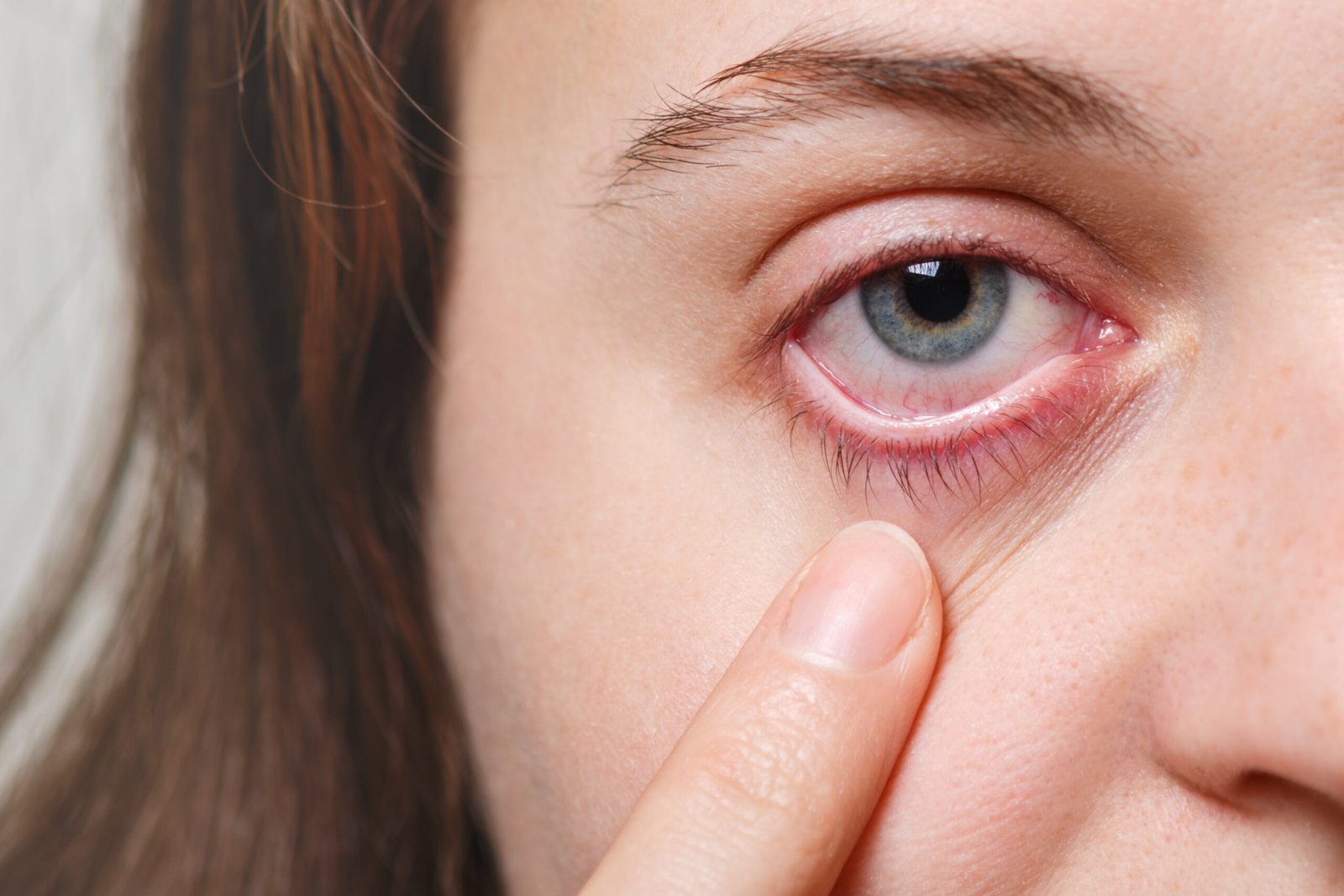
Pink eye, also known as conjunctivitis, is a common eye condition that causes redness, irritation, and swelling in the conjunctiva the thin, transparent layer that covers the white part of your eye and the inside of your eyelids.
It can affect one or both eyes and is often contagious, depending on the cause. Though pink eye is usually mild, knowing its symptoms and treatment options can help you recover faster and prevent spreading it to others.
At HealthInfi, we believe early awareness and simple care can make a big difference in keeping your eyes healthy.
What Does Pink Eye Look Like?
The most visible sign of pink eye is redness in the white part of the eye. The eye may also appear watery, swollen, or irritated. In some cases, you might notice:
-
A pink or reddish tint in the eye
-
Itchy or burning sensation
-
Tears or watery discharge
-
Sticky or crusty eyelids, especially after sleep
-
Swollen eyelids or mild pain
-
Blurred vision
The appearance can vary slightly depending on whether the infection is caused by bacteria, a virus, or allergies.
Types of Pink Eye
Understanding the type of pink eye helps you choose the right care. Here are the main kinds:
Viral Conjunctivitis
-
Caused by a virus.
-
Highly contagious spreads through coughing, sneezing, or touching the eyes.
-
Symptoms include watery discharge, redness, and light sensitivity.
-
It typically heals on its own within 7 to 10 days.
Bacterial Conjunctivitis
-
Caused by bacteria such as Staphylococcus or Streptococcus.
-
Commonly spreads through hand-to-eye contact or shared personal items.
-
Produces thick yellow or green discharge that may cause eyelids to stick together.
-
Doctors usually treat it with antibiotic eye drops or ointments.
Allergic Conjunctivitis
-
It’s caused by allergens such as pollen, dust, or pet dander.
-
Not contagious.
-
Symptoms include redness, itchy eyes, watery discharge, and swelling.
-
Improves with antihistamines and avoiding allergens.
Irritant Conjunctivitis
-
Caused by contact with irritants such as smoke, chlorine, or chemicals.
-
Symptoms usually resolve once the irritant is removed and eyes are rinsed.
What Causes Pink Eye?
Pink eye can result from several sources, including:
-
Viruses
-
Bacteria
-
Allergies
-
Irritants like pollution or chlorine
-
Contact lenses
Children often get pink eye from close contact at school, while adults may develop it from allergies, infections, or workplace exposure.
Is Pink Eye Contagious?
Yes — viral and bacterial pink eye can spread easily through:
-
Touching your eyes with unwashed hands
-
Sharing towels, pillows, or makeup
-
Direct contact with infected people
To prevent spreading:
-
Wash your hands often.
-
Avoid touching your eyes or sharing personal items.
-
Replace makeup or contact lenses used during infection.
Common Symptoms of Pink Eye
Here’s a quick list of pink eye symptoms to help you identify it early:
The white part of the eye becomes red or pink.
Itching, irritation, or burning
Watery or thick discharge
Crust around the eyelids or lashes
Swollen eyelids
Sensitivity to light
Gritty feeling
If symptoms persist longer than a week or worsen, it’s important to see an eye doctor.
Treatment Options for Pink Eye
Treatment depends on the cause of your conjunctivitis:
1. Viral Pink Eye
-
In most cases, pink eye resolves on its own within 7 to 10 days.
-
Use cool compresses and artificial tears to relieve discomfort.
-
Avoid touching or rubbing your eyes.
2. Bacterial Pink Eye
-
Doctors treat it with antibiotic eye drops or ointments.
-
Improvement is often seen within 2–3 days of treatment.
-
Wash your hands before and after applying medication.
3. Allergic Pink Eye
-
Avoid exposure to allergens like pollen or pet dander.
-
Use antihistamine eye drops or oral medication.
-
Keep windows closed during high pollen days.
4. Irritant Pink Eye
-
Rinse your eyes gently with clean water or saline solution.
-
Avoid the irritant source.
-
Use lubricating drops to soothe irritation.
Home Remedies and Care Tips
While pink eye often heals on its own, you can ease discomfort with these safe home remedies:
-
Apply a cold compress on closed eyes to reduce swelling.
-
Use a clean, warm cloth to wipe discharge gently.
-
Avoid makeup until your eyes are completely healed.
-
Change pillowcases and towels daily.
-
Stay hydrated and get enough rest.
Avoid using over-the-counter steroid eye drops unless prescribed by a doctor they may worsen certain infections.
When to See a Doctor
Contact your eye specialist immediately if you experience:
-
Severe eye pain or swelling
-
Blurred or decreased vision
-
Sensitivity to light
-
No improvement after a few days
-
Yellow or green discharge
A doctor can diagnose the exact cause and prescribe the correct treatment to prevent complications.
Prevention Tips from HealthInfi
-
Wash hands regularly with soap and water.
-
Avoid touching or rubbing your eyes.
-
Don’t share cosmetics, towels, or lenses.
-
Replace old makeup and lens solutions often.
-
Keep your surroundings clean and dust-free.
These simple habits help reduce the risk of infection and keep your eyes healthy year-round.
HealthInfi Takeaway
Pink eye might look alarming, but it’s usually mild and treatable. Recognizing the symptoms early, maintaining good hygiene, and getting timely medical advice can prevent complications and stop it from spreading.
At HealthInfi, we encourage you to prioritize eye health through awareness and daily care. A few mindful steps can keep your vision clear and your eyes healthy for life.
Reference:
https://www.netralayam.com/blog/how-to-treat-yellow-spots-in-eyes
0 200

No Comments