

Kidneys play a very important role in keeping your body healthy. Kidney disease usually develops slowly, which means early awareness and lifestyle improvement can make a big difference. kidney disease is considered an early stage where function is slightly reduced, but with proper care, the condition can be controlled and prevented from getting worse.
In this blog post, we will explain stage 2 kidney disease, its symptoms, causes, diagnosis, treatment, diet, and prevention in simple language.
What Is Stage 2 Kidney Disease?
Kidney disease stages are based on EGFR (Estimated Glomerular Filtration Rate).
In Stage 2, EGFR is usually 60–89, which means the kidneys are still working but show early signs of damage.
This is not a dangerous stage, but ignoring it may lead to Stage 3 or more advanced kidney disease. Early care, diet control, and healthy habits can help keep kidney function stable for a long time.
Main Causes of Stage 2 Kidney Disease
Kidney damage usually occurs due to long-term health conditions or unhealthy lifestyle habits. The most common causes include:
1. Diabetes
Uncontrolled blood sugar slowly weakens kidney filters.
2. High Blood Pressure
High blood pressure puts extra pressure on the blood vessels of the kidneys, causing damage.
3. Genetic Factors
If kidney problems run in your family, the risk increases.
4. Painkiller Overuse
Frequent use of painkillers like ibuprofen or diclofenac can harm kidneys over time.
5. Infections or Autoimmune Conditions
Certain health conditions and infections can impact kidney function.
6. Smoking & Alcohol
Both habits affect overall organ health and blood circulation, increasing kidney strain.
Symptoms of Stage 2 Kidney Disease
In many cases, kidney disease has very mild symptoms. Many people may not notice any symptoms at all. However, early warning signs may include:
-
Mild swelling (ankles or face)
-
Tiredness or low energy
-
Frequent urination, especially at night
-
Mild back pain near the kidney area
-
Foamy urine (possible protein leakage)
-
Slight increase or decrease in urine output
These symptoms can also occur due to other conditions, so proper medical evaluation is important.
How Stage 2 Kidney Disease Is Diagnosed
Doctors use several tests to check kidney function:
1. Blood Test (Serum Creatinine)
This helps calculate the EGFR level.
2. Urine Test
Used to check for protein leakage or infection.
3. Blood Pressure Check
High BP is one of the most common causes of kidney disease.
4. Ultrasound
Shows kidney size, structure, and any possible blockage.
Early diagnosis helps in creating an effective treatment plan.
Treatment for Stage 2 Kidney Disease
The main goal of treatment at this stage is to prevent the disease from getting worse.
Dialysis or transplant is not needed at this stage. Common treatments include:
1. Blood Pressure Control
Target BP is usually below 130/80.
Doctors may prescribe medications like ACE inhibitors or ARBs.
2. Blood Sugar Management
If you have diabetes, controlling blood sugar is essential.
3. Medications
If protein is found in urine, doctors may prescribe specific medicines to protect kidney function.
Never take medicines without medical advice.
4. Healthy Diet
A kidney-friendly diet helps lower the stress on your kidneys.
5. Regular Monitoring
Kidney function tests every 3–6 months help track progress.
Kidney-Friendly Diet for Stage 2 Kidney Disease
A proper diet plays a major role in slowing down kidney disease progression.
1. Low-Sodium Diet
Limit salt to reduce swelling and control blood pressure.
Avoid:
-
Pickles
-
Packaged foods
-
Chips
-
Instant soups
2. Controlled Protein Intake
Too much protein increases kidney workload.
Better options include:
-
Moong dal
-
Tofu
-
Paneer (in moderation)
-
Skinless chicken (in limited quantity)
3. Potassium & Phosphorus Control
Some patients may need to limit high-potassium or high-phosphorus foods (based on doctor’s advice).
4. Healthy Hydration
Drink enough water but avoid excessive fluid intake.
Your doctor will guide your ideal daily water amount.
5. Fresh Fruits & Vegetables
Choose low-sodium and low-potassium options when possible.
Lifestyle Changes to Support Kidney Health
Small daily habits can significantly improve kidney function.
1. Regular Exercise
Try to get 150 minutes of moderate exercise each week.
2. Quit Smoking
Smoking accelerates kidney damage.
3. Limit Alcohol
Excessive drinking puts strain on the kidneys.
4. Maintain Healthy Weight
Obesity increases the risk of diabetes and high BP.
5. Sleep & Stress Management
Good sleep and stress control support overall health.
Is Stage 2 Kidney Disease Dangerous?
Stage 2 is not considered severe, but it should not be ignored.
With early diagnosis and proper lifestyle changes, kidney function can remain stable for many years.
Preventing progression to Stage 3 or 4 is the primary goal.
How to Prevent Stage 2 Kidney Disease
You can significantly reduce kidney disease risk by following these steps:
-
Check blood pressure and sugar regularly
-
Stay hydrated
-
Avoid unnecessary painkillers
-
Exercise regularly
-
Eat a balanced diet
-
Get annual kidney checkups if you have risk factors
Conclusion
Stage 2 kidney disease is an early stage where proper care can make a big difference. Diet management, regular medical checkups, healthy lifestyle habits, and timely treatment can slow or prevent progression. By becoming more aware of kidney health today, you can lower the chances of serious complications in the future.
If you have been diagnosed with Stage 2 kidney disease, following your doctor’s guidance and maintaining healthy habits can help you live a normal and balanced life.
FAQs
1. Is Stage 2 kidney disease serious?
Stage 2 is not considered severe, but it does indicate early kidney damage. With the right treatment, diet, and lifestyle changes, the condition can be controlled and prevented from progressing.
2. Can Stage 2 kidney disease be reversed?
Kidney damage usually cannot be fully reversed, but the progression can be slowed significantly. Many people maintain stable kidney function for years with proper care.
3. What is the life expectancy with kidney disease?
Most people with Stage 2 kidney disease live normal lives, especially if they manage blood pressure, blood sugar, and overall health effectively.
4. What foods should I avoid in kidney disease?
Avoid high-sodium foods, excess protein, and very high-potassium foods unless advised by your doctor.
5. Do Stage 2 kidney disease patients need dialysis?
No. Dialysis is not needed in Stage 2. At this stage, the focus is on lifestyle changes and medical management to prevent progression.
Reference:
https://www.mayoclinic.org/diseases-conditions/chronic-kidney-disease/symptoms-causes/syc-20354521
https://www.niddk.nih.gov/health-information/kidney-disease
https://www.nhs.uk/conditions/kidney-disease/
0 200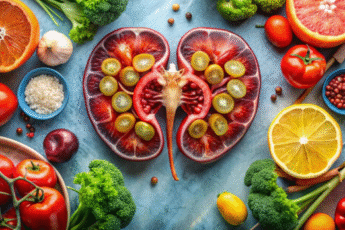
No Comments