
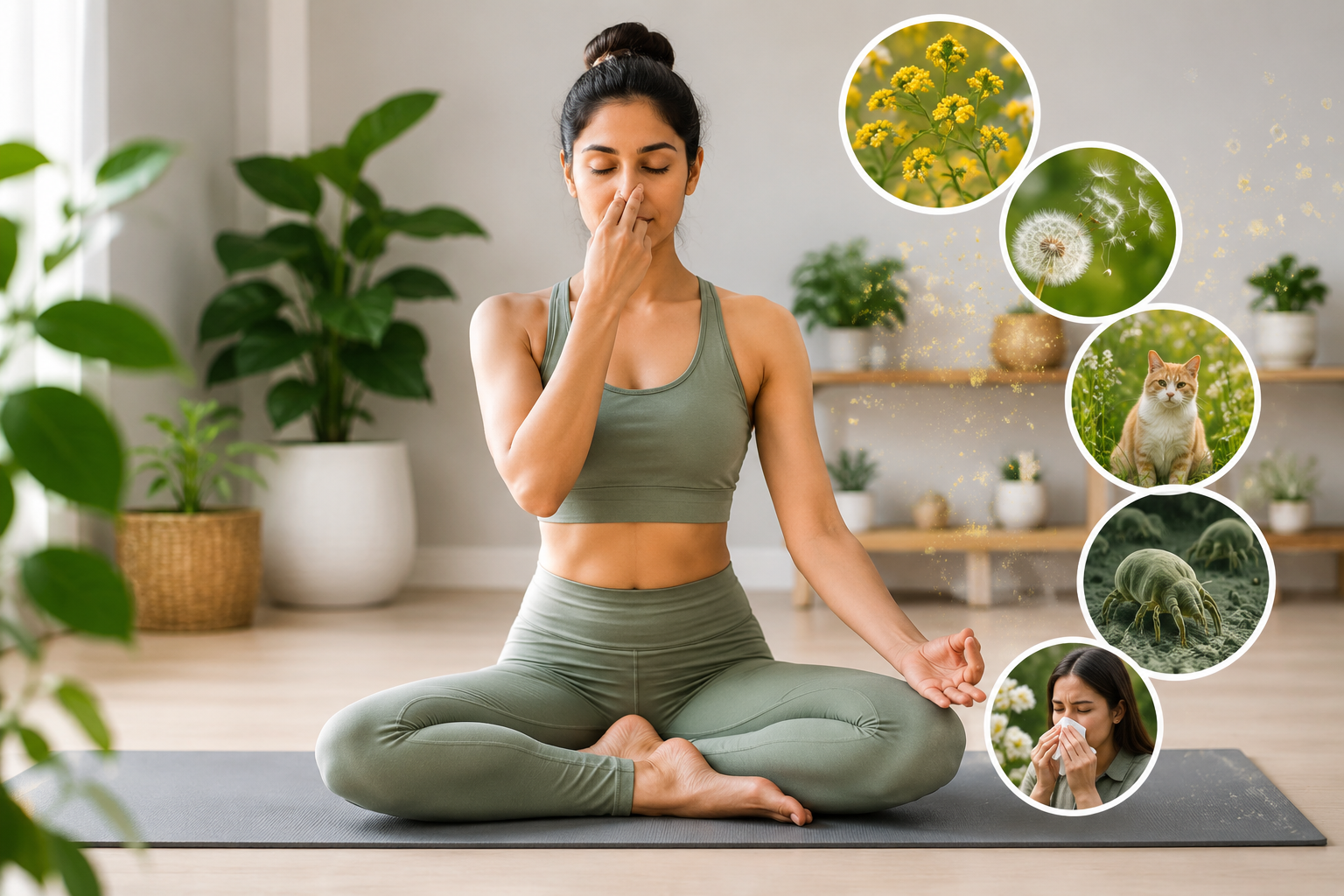
Allergies can make everyday life uncomfortable by causing sneezing, nasal congestion, itchy eyes, coughing, and fatigue. While medications are often effective, many people also look for natural ways to support their overall wellness. One popular option is allergy yoga, which combines gentle movements, breathing exercises, and relaxation techniques to help improve respiratory function and reduce stress.
Yoga is not a cure for allergies, but regular practice may help improve breathing, lower stress levels, and support overall health. Since stress can sometimes worsen allergy symptoms, maintaining a consistent yoga routine may help you feel better during allergy season.
How Yoga May Help with Allergies
Yoga promotes mindful breathing, flexibility, and relaxation. These elements may provide several benefits for people experiencing seasonal or environmental allergies.
Some potential benefits include:
- Encourages deeper and more efficient breathing
- Helps reduce stress, which may influence allergy symptoms
- Improves posture and chest expansion
- Supports better circulation throughout the body
- Promotes relaxation and overall well-being
Practicing yoga alongside a healthy lifestyle, balanced diet, and your healthcare provider’s recommendations can be a valuable addition to your wellness routine.
Best Yoga Poses for Allergy Relief
1. Child’s Pose (Balasana)
Child’s Pose is a gentle resting position that encourages relaxation while stretching the back and shoulders. It helps calm the nervous system and promotes slow, mindful breathing.
Hold the pose for 1–3 minutes and breathe deeply.
2. Cat-Cow Stretch (Marjaryasana-Bitilasana)
This flowing movement improves spinal flexibility while opening the chest and encouraging better breathing.
Repeat the movement slowly for 8–10 breaths.
3. Cobra Pose (Bhujangasana)
Cobra Pose gently opens the chest, expands the lungs, and stretches the front of the body.
Hold the pose for 20–30 seconds while keeping your lower back comfortable.
4. Bridge Pose (Setu Bandhasana)
Bridge Pose helps expand the chest and improve posture, making breathing feel more comfortable.
Hold for 30 seconds and repeat two or three times.
5. Legs-Up-the-Wall Pose (Viparita Karani)
This restorative pose promotes relaxation after a long day and may help reduce physical tension.
Remain in the pose for 5–10 minutes with slow, steady breaths.
Breathing Exercises for Better Respiratory Health
Breathing exercises are an important part of allergies yoga because they encourage calm, controlled breathing.
Diaphragmatic Breathing
Take deep breaths using your abdomen rather than your chest. Practice for five minutes daily.
Alternate Nostril Breathing (Nadi Shodhana)
This traditional breathing technique may help promote relaxation and mental clarity.
Practice for three to five minutes in a comfortable seated position.
Equal Breathing
Inhale for four counts and exhale for four counts while maintaining a slow rhythm.
Lifestyle Tips to Support Yoga Practice
Combining yoga with healthy daily habits may help improve your overall comfort during allergy season.
- Drink enough water throughout the day.
- Keep your living space clean and dust-free.
- Wash your face and hair after spending time outdoors during high pollen days.
- Follow a healthy diet filled with fruits and vegetables.
- Get enough sleep each night.
- Exercise regularly with activities you enjoy.
Creating a Daily Yoga Routine
A simple 20-minute routine can be effective:
- 3 minutes of deep breathing
- 5 minutes of gentle stretching
- 10 minutes practicing yoga poses
- 2 minutes of relaxation or meditation
Consistency is more important than intensity. Even a short daily practice can become part of a healthy lifestyle.
Understanding Yoga and Allergy Management
Many people wonder whether yoga for allergy symptoms truly works. Research suggests that yoga may improve breathing efficiency, reduce stress, and enhance overall quality of life. However, yoga should be viewed as a complementary practice rather than a replacement for prescribed allergy treatments.
If you experience severe allergic reactions, asthma attacks, or difficulty breathing, seek immediate medical attention and follow your healthcare provider’s treatment plan.
Yoga and Histamine Awareness
Some individuals explore yoga for histamine intolerance as part of a broader wellness routine. While yoga does not directly reduce histamine levels, gentle movement and stress management may support overall health. Histamine intolerance is a complex condition that should be evaluated by a qualified healthcare professional for proper diagnosis and treatment.
Safety Tips
For a safe and comfortable yoga practice:
- Practice in a clean, well-ventilated room.
- Avoid outdoor sessions during high pollen counts.
- Use a clean yoga mat.
- Stay hydrated before and after practice.
- Stop immediately if you feel dizzy or experience breathing difficulties.
- Consult your doctor before beginning yoga if you have chronic respiratory conditions.
Final Thoughts
Practicing yoga and allergies management together can be a helpful way to support overall wellness. Regular yoga encourages mindful breathing, relaxation, and gentle movement, which may improve comfort for some individuals living with allergies. Although yoga is not a cure, it can be an excellent complement to medical care and healthy lifestyle habits. With patience and consistency, yoga may become a valuable part of your daily routine for better physical and mental well-being.
FAQs
1. Can yoga cure allergies?
No. Yoga cannot cure allergies, but it may help improve breathing, reduce stress, and support overall wellness alongside medical treatment.
2. Which yoga pose is best for allergy relief?
Child’s Pose, Cobra Pose, Bridge Pose, Cat-Cow Stretch, and Legs-Up-the-Wall Pose are commonly recommended for promoting relaxation and comfortable breathing.
3. How often should I practice yoga for allergies?
Practicing for 15–30 minutes at least four or five days per week is a reasonable routine for most healthy adults.
4. Is yoga safe during allergy season?
Yes. Practicing indoors in a clean environment is often the best option, especially when outdoor pollen levels are high.
5. Can breathing exercises improve allergy symptoms?
Breathing exercises may help you breathe more comfortably, promote relaxation, and support respiratory health, but they should not replace prescribed allergy medications or medical advice.
Reference
https://www.webmd.com/asthma/features/allergy-season-guide
https://www.yogajournal.com/lifestyle/health/allergy-antidote/
0 200
No Comments