
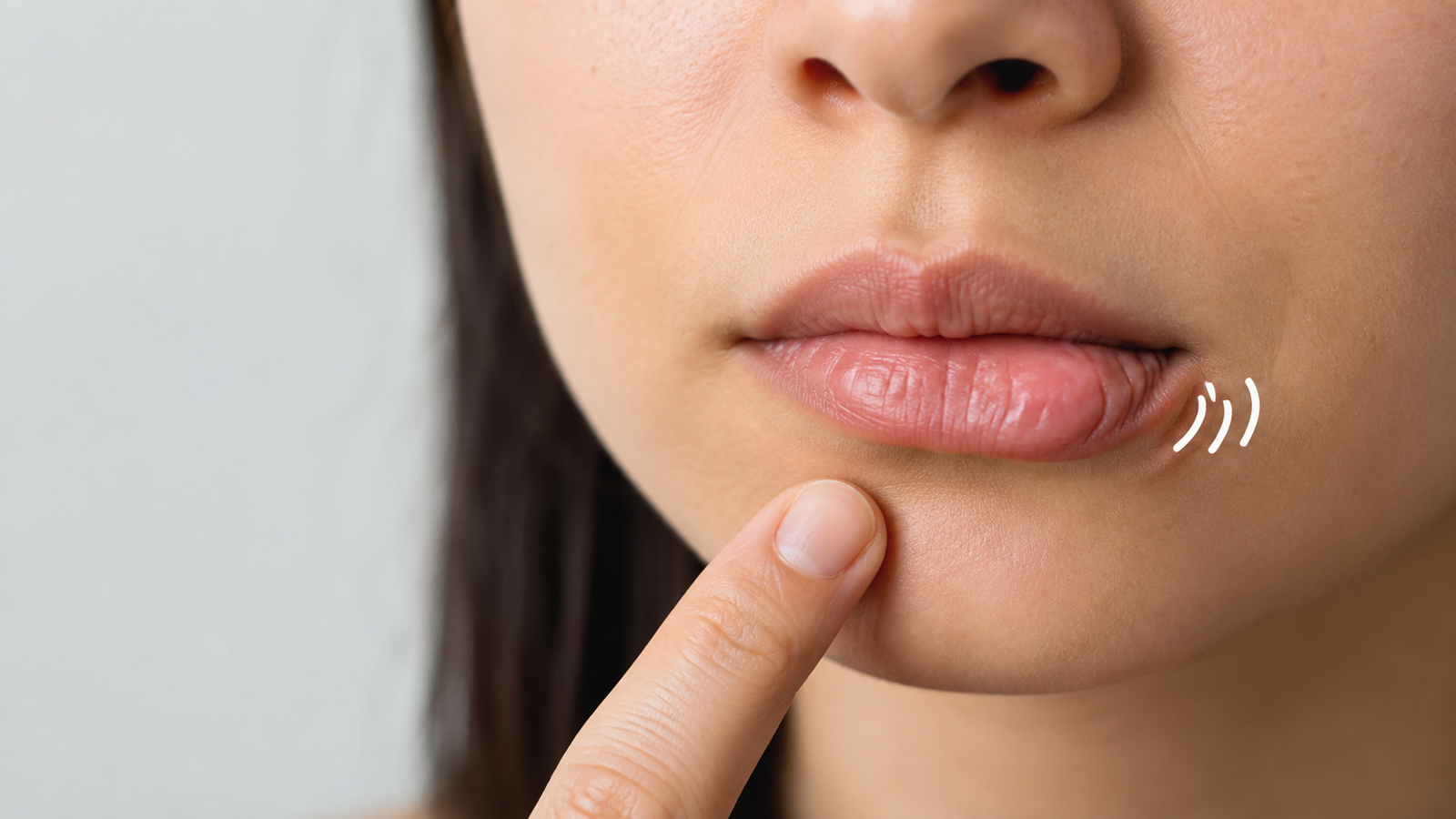
A twitching lip can feel strange or concerning, especially when the movement happens repeatedly or without warning. In most cases, occasional lip twitching is temporary and harmless. It may be related to stress, tiredness, caffeine, dehydration, or muscle irritation. However, persistent or unusual twitching can sometimes be associated with an underlying medical condition.
Understanding the possible lip twitching causes can help you determine whether you simply need rest and hydration or should speak with a healthcare professional.
What Does Lip Twitching Mean?
Lip twitching refers to small, involuntary movements or spasms in the muscles around the lips. The movement may occur in the upper or lower lip and can last for a few seconds, minutes, or occasionally longer.
The lip twitching meaning can vary depending on how often it happens and whether you have other symptoms. An isolated twitch is usually not a sign of a serious problem.
Why Is Upper Lip Twitching?
If you’re wondering, Why is upper lip lip tremor?, several everyday factors could be responsible. Stress management, lack of sleep, excessive caffeine, fatigue, dehydration, and muscle irritation are common possibilities.
Other upper lip twitching causes can include certain medications, nutritional deficiencies, nerve irritation, or neurological conditions. If the twitching continues for several days or becomes increasingly frequent, consider discussing it with a healthcare professional.
Why My Lower Lip Is Twitching
If you’re asking, Why my lower lip is lip tremor, the causes are often similar to those affecting the upper lip. Muscle fatigue, stress, anxiety, caffeine, dehydration, and insufficient sleep can all contribute to involuntary muscle movements.
A lower-lip twitch that happens occasionally and disappears on its own is generally less concerning. However, persistent twitching, especially when accompanied by facial weakness, numbness, difficulty speaking, or other neurological symptoms, deserves medical evaluation.
9 Common Lip Twitching Causes
1. Stress and Anxiety
Stress can cause muscles to become tense and more easily stimulated. Some people develop small muscle twitches during periods of anxiety or emotional stress. Reducing stress and getting adequate rest may help the twitching settle.
2. Lack of Sleep
Not getting enough sleep can affect the nervous system and make muscle twitching more noticeable. Establishing a consistent sleep routine may help reduce occasional spasms.
3. Too Much Caffeine
Coffee, energy drinks, tea, and other caffeinated beverages can stimulate the nervous system. If you notice twitching after consuming large amounts of caffeine, reducing your intake may help.
4. Dehydration
Fluids are important for normal muscle and nerve function. Dehydration can sometimes contribute to muscle cramps or twitching. Drinking enough water throughout the day may help if dehydration is a contributing factor.
5. Electrolyte or Nutritional Imbalances
Minerals such as magnesium, calcium, and potassium are involved in normal muscle function. An imbalance can sometimes cause muscle symptoms. However, you shouldn’t automatically take supplements without determining whether you actually have a deficiency.
6. Muscle Fatigue or Irritation
Repeated facial movements, chewing, or other activities may temporarily irritate or fatigue the muscles around the mouth. This can result in brief, localized twitching.
7. Certain Medications
Some medicines can cause muscle twitching or other movement-related side effects. If your twitching began after starting or changing a medication, talk to your doctor or pharmacist rather than stopping the medication yourself.
8. Nerve Irritation
Facial nerves control the muscles responsible for facial movement. Irritation or abnormal activity involving these nerves can sometimes produce repeated facial spasms.
9. Neurological Conditions
Less commonly, persistent facial twitching can be associated with neurological conditions such as hemifacial spasm or other movement disorders. These conditions typically require professional assessment, particularly when symptoms are frequent or progressively worsening.
How to Stop Lip Twitching
If your twitching is occasional and you have no other concerning symptoms, simple lifestyle measures may help. If you’re wondering how to stop lip tremor, consider getting adequate sleep, drinking enough water, reducing caffeine, and taking breaks if your facial muscles feel tired.
For people specifically searching how to stop bottom lip twitching, the same basic measures apply. Try resting, staying hydrated, reducing stimulants, and managing stress.
There isn’t one guaranteed treatment because the best approach depends on the underlying cause. If the twitching continues despite these measures, a healthcare professional can help identify the reason.
Lip Twitching Stroke: Is There a Connection?
People sometimes search for lip twitching stroke because they are worried that an involuntary facial movement could be a warning sign. Lip tremor by itself is not a typical defining symptom of stroke.
A stroke more commonly causes sudden facial drooping or weakness on one side, weakness or numbness in an arm or leg, difficulty speaking or understanding speech, sudden vision problems, severe dizziness, or a sudden severe headache.
FAQs
1. Is lip twitching usually serious?
Usually, occasional lip twitching is not serious. Stress, tiredness, caffeine, dehydration, and muscle fatigue are common triggers. Persistent or worsening twitching should be evaluated by a healthcare professional.
2. Why is my upper lip twitching?
Why is upper lip twitching? Common possibilities include stress, lack of sleep, caffeine, dehydration, muscle fatigue, or nerve irritation. If it continues or occurs with other symptoms, medical evaluation may be appropriate.
3. How to stop bottom lip tremor?
To learn how to stop bottom lip twitching, start with adequate sleep, hydration, stress management, and reducing caffeine. If the twitching doesn’t improve or keeps returning, talk with a healthcare professional to identify the underlying cause.
4. Can lip tremor be a sign of a stroke?
Lip twitching stroke concerns are understandable, but isolated twitching is not a typical stroke symptom. Sudden facial drooping or weakness, arm weakness, speech difficulties, vision changes, or severe dizziness require immediate emergency medical attention.
5. When should I see a doctor for lip tremor?
See a healthcare professional if twitching persists, becomes frequent, spreads to other facial muscles, or is accompanied by weakness, numbness, facial drooping, difficulty speaking, trouble walking, or other new neurological symptoms.
Reference
https://www.healthline.com/health/lip-twitching
https://www.medicalnewstoday.com/articles/321105
0 200
No Comments