
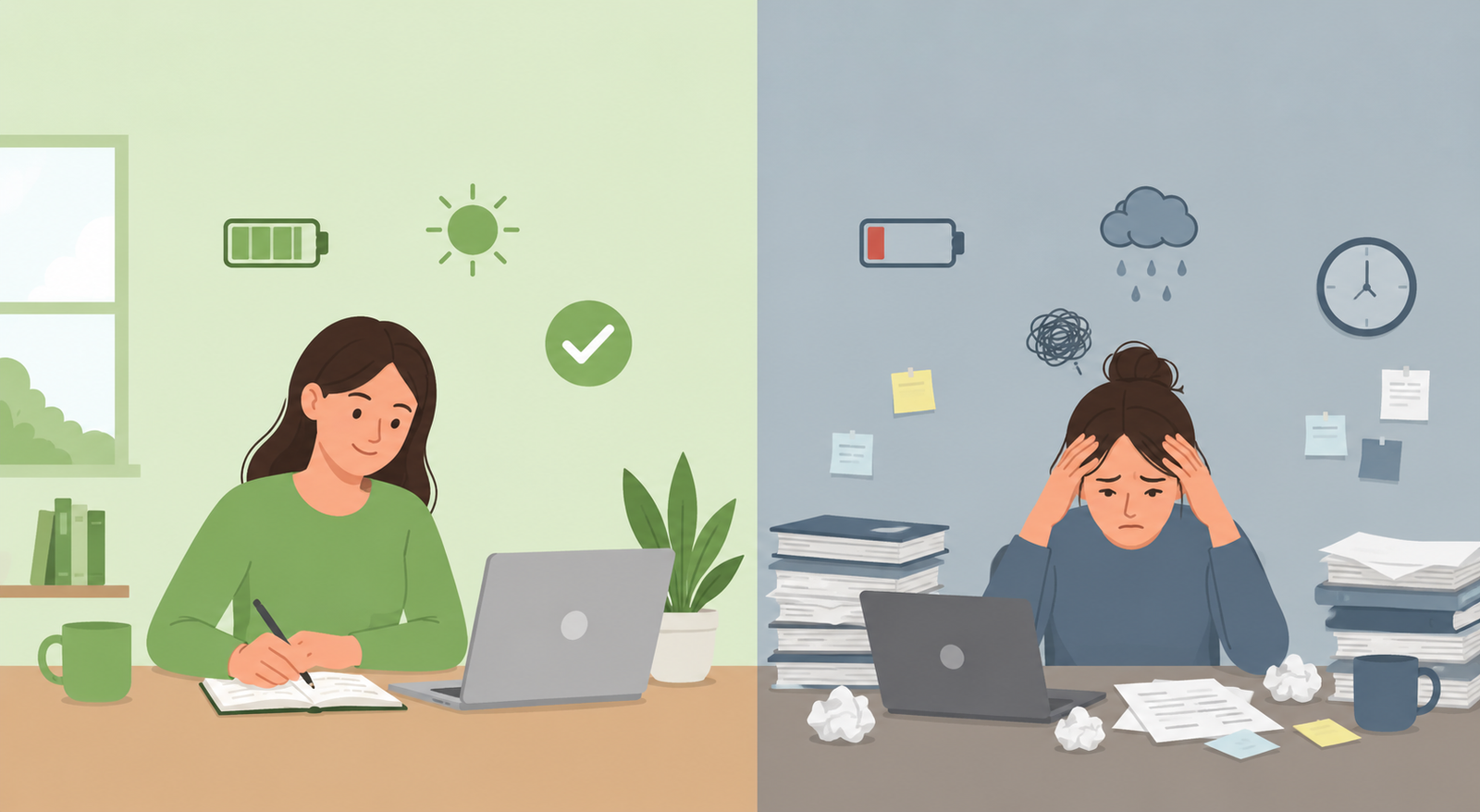
Stress is a natural part of daily life that everyone experiences from time to time. People experience it at work, school, during relationships, or while handling personal responsibilities. While stress is often seen as something harmful, not every type of stress is negative. In fact, some forms of stress can help people grow, stay motivated, and perform better.
There are generally two types of stress: positive stress and negative stress. Learning how they affect the body and mind can help you maintain better emotional and physical health.
What Is Good Stress?
Good stress is a short-term form of pressure that encourages people to take action and stay focused. It usually happens during exciting or meaningful situations and often leads to positive results. This type of pressure can improve confidence, increase energy levels, and help individuals achieve goals.
Psychologists commonly refer to positive pressure as eustress. Unlike harmful pressure, it does not feel overwhelming and usually disappears once the situation is over.
Common Examples of Positive Stress
Some everyday situations that may create healthy pressure include:
- Preparing for an important exam
- Starting a new career
- Learning a new skill
- Participating in a competition
- Planning a wedding or special event
- Traveling to a new destination
- Becoming a parent
Although these experiences may feel challenging, they often bring excitement and personal growth at the same time.
Benefits of Healthy Pressure
Positive pressure can offer several mental and physical benefits. It often helps people:
- Stay motivated
- Improve concentration
- Perform tasks more efficiently
- Build confidence
- Develop resilience
- Adapt to new situations
In many cases, a manageable amount of pressure encourages people to move outside their comfort zone and achieve success.
What Is Bad Stress?
Negative pressure occurs when pressure becomes too intense or lasts for a long period. Instead of motivating a person, it creates feelings of exhaustion, anxiety, and frustration. This type of pressure can affect both emotional and physical well-being if not managed properly.
Long-term pressure from work problems, financial difficulties, family conflicts, or health issues may lead to chronic pressure. Over time, this can reduce productivity and impact the overall quality of life.
Signs of Unhealthy Stress
Bad stress can affect the body, mind, and emotions in different ways. Some common symptoms include:
- Constant worry
- Trouble sleeping
- Headaches
- Fatigue
- Irritability
- Muscle tension
- Difficulty concentrating
- Changes in appetite
- Feeling overwhelmed
If these symptoms continue for a long time, they may increase the risk of health problems such as high blood pressure, anxiety disorders, and depression.
Positive pressure vs Negative pressure
Although both forms activate the body’s pressure response, their effects are very different. Healthy pressure usually feels manageable and temporary, while harmful stress often feels uncontrollable and draining.
Main Differences
| Positive Stress | Negative Stress |
|---|---|
| Encourages growth | Creates emotional strain |
| Improves focus | Reduces concentration |
| Temporary | Long-lasting |
| Increases motivation | Causes exhaustion |
| Leads to positive outcomes | Affects health negatively |
Understanding these differences can help people recognize when pressure is useful and when it becomes harmful.
Why Stress Exists
Pressure is the body’s natural reaction to challenges or demands. In small amounts, it helps people stay alert and prepared. However, when pressure becomes constant without enough rest or support, it can negatively affect daily life.
The goal is not to remove pressure completely but to learn healthy ways to manage it. Balanced pressure levels can improve performance, while excessive pressure may damage mental and physical health.
Ways to Manage Pressure Effectively
Managing pressure in healthy ways is important for emotional balance and long-term well-being. Below are a few practical and effective ways to manage stress:
1. Exercise Regularly
Physical activity releases chemicals in the brain that improve mood and reduce tension. Activities like walking, yoga, cycling, or stretching can help lower pressure levels.
2. Get Quality Sleep
Not getting enough sleep can increase pressure levels and make daily challenges harder to manage. Establishing a healthy sleep routine enables the body and mind to recover effectively.
3. Practice Relaxation Techniques
Meditation, deep breathing, and mindfulness exercises can calm the nervous system and reduce feelings of anxiety.
4. Stay Organized
Planning tasks and managing time effectively can reduce unnecessary pressure and improve productivity.
5. Maintain Healthy Relationships
Talking with trusted friends or family members can provide emotional support during difficult situations.
6. Focus on Self-Care
Taking breaks, enjoying hobbies, and spending time doing activities you love can improve emotional health and reduce tension.
Importance of Pressure Management
Ignoring pressure for long periods can affect many areas of life, including work performance, relationships, and overall health. Chronic pressure weakens the immune system and increases the risk of serious medical conditions.
By recognizing the signs early and developing healthy coping habits, people can maintain better control over their emotions and daily routines.
Final Thoughts
Pressure is a natural part of life, but not all pressure has the same effect. Positive pressure can motivate people, improve focus, and encourage growth, while negative pressure may lead to anxiety, fatigue, and health problems.
Understanding how different forms of pressure work allows people to respond to challenges in healthier ways. Instead of trying to avoid pressure completely, it is more helpful to build healthy habits that support emotional and physical well-being.
With proper balance, pressure can become a tool for growth rather than a source of harm.
FAQs
1. Is all pressure harmful?
No, some forms of pressure can be beneficial and help improve focus, motivation, and performance.
2. What causes unhealthy pressure?
Pressure can develop due to money-related concerns, job responsibilities, relationship issues, medical conditions, or insufficient sleep and relaxation.
3. Can pressure affect physical health?
Yes, long-term pressure may contribute to headaches, sleep problems, high blood pressure, and weakened immunity.
4. How can I reduce daily pressure?
Regular exercise, healthy sleep, relaxation techniques, and time management can help reduce pressure levels.
5. Why is pressure management important?
Managing pressure properly improves mental health, relationships, productivity, and overall quality of life.

No Comments