
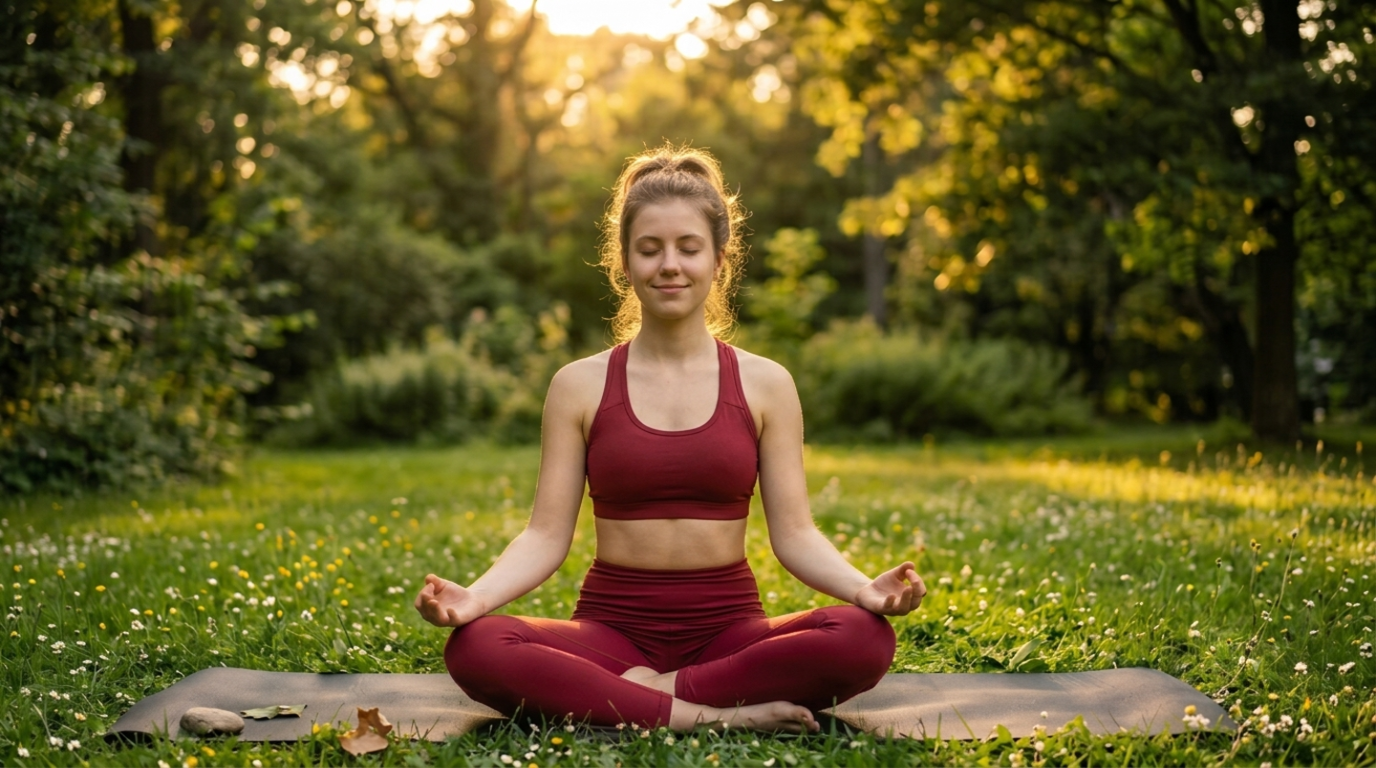
Ever feel like your mind is everywhere except where it needs to be? From improving focus to calming racing thoughts, the Benefits of Meditation go far beyond relaxation. This simple practice may help sharpen concentration, support memory and bring greater clarity to everyday decisions. But what really happens when you make meditation part of your daily routine?
What Is Meditation?
Meditation is a mind-body practice that involves focusing your attention, observing your thoughts, and becoming more aware of the present moment. It does not require special equipment or a particular location.
There are different types of meditation, including:
-
Mindfulness meditation: Focuses on present thoughts, feelings, and surroundings.
-
Vipassana meditation: A traditional practice that develops awareness through observing bodily sensations and mental experiences.
-
Focus meditation: Uses an object, sound, or breathing pattern to train attention.
-
Concentration meditation: Involves maintaining attention on one specific point.
People practise meditation for relaxation, self-awareness and emotional balance.
How Does Meditation Affect Your Brain?
Ever wondered why your mind feels calmer after meditation? Regular practice encourages your brain to slow down, manage distractions, and become more aware of thoughts and emotions.
Stress relief meditation may also help calm the mind by reducing everyday stress and encouraging relaxation. With consistent practice, meditation may support:
-
Better attention and concentration.
-
Greater emotional awareness.
-
Improved mental clarity.
-
Better control over distracting thoughts.
Over time, these small changes may help you feel calmer, think more clearly, and respond to everyday challenges with greater awareness.
Can Meditation Improve Focus?
Yes, meditation may help improve attention and concentration by training your mind to return to one activity whenever it becomes distracted.
Some potential benefits include:
-
Better concentration while studying or working.
-
Fewer distractions during everyday activities.
-
Improved awareness of the present moment.
-
Greater ability to stay focused on one task.
Focus meditation can be especially useful for people who want to build a more consistent attention routine.
Does Meditation Strengthen Memory?
Want to remember things more easily? Meditation may help by improving attention and reducing distractions. Knowing how to meditate properly can help you build a simple routine that supports better concentration and mental clarity.
Regular practice may help you:
-
Stay focused while learning.
-
Recall information more easily.
-
Reduce mental distractions.
-
Improve awareness.
Remember, meditation is not a memory booster on its own. Good sleep, healthy food, and regular physical activity also support brain health.
Can Meditation Improve Decision-Making?
Ever make a decision and regret it later? Stress, overthinking, and distractions can make even simple choices feel difficult. One of the important meditation benefits is developing greater awareness of your thoughts and emotions, which may help you approach decisions more calmly.
Regular meditation may help you:
-
Recognise emotional reactions before responding.
-
Avoid making rushed decisions.
-
Consider different possibilities more clearly.
-
Understand your thoughts and personal habits.
By encouraging patience and mental clarity, meditation may help you think through everyday choices instead of reacting automatically.
What Are the Physical and Mental Benefits?
The meditation benefits are not limited to the mind. Regular practice may also support several aspects of physical and emotional well-being.
Some potential benefits include:
Mental and emotional benefits:
-
May help reduce everyday stress.
-
Supports emotional awareness and self-control.
-
Encourages a calmer state of mind.
-
May reduce feelings of anxiety.
Physical health benefits:
-
May support healthy blood pressure.
-
Encourages relaxation and muscle comfort.
-
May improve sleep quality.
-
Supports a healthy mind-body connection.
Along with meditation, maintaining a nutritious diet is important for overall well-being. Including vitamin B12 foods in your daily diet can help support normal nerve function and red blood cell production.
Some people also use meditation music to create a peaceful environment. Gentle sounds or meditation music sleep playlists may help establish a relaxing bedtime routine, although music is not necessary for meditation.
How Long Should You Meditate Daily?
There is no fixed ideal meditation time for everyone. Beginners can start with 5–10 minutes daily and gradually increase their practice as they become comfortable.
Your meditation time may depend on your schedule, experience, and personal preference.
A simple daily routine could look like this:
-
Morning: 5–10 minutes to begin the day calmly.
-
Afternoon: 5 minutes to reset your attention.
-
Evening: 10 minutes to relax before bedtime.
Regular practice is more valuable than spending too much time meditating. Pick a suitable time that works with your daily schedule.
How to Do Meditation at Home
Getting started with meditation can be simple and easy. You can start with a quiet space and a few minutes of focused breathing.
Use these easy steps to begin meditating in the comfort of your home:
-
Find a quiet and comfortable place.
-
Sit on a chair or cushion with a relaxed posture.
-
Shut your eyes softly or keep your gaze relaxed and downward.
-
Breathe naturally and notice each breath.
-
When your mind wanders, gently return your attention to breathing.
-
Continue for 5–10 minutes.
If you want to learn how to meditation properly, remember that having thoughts during practice is normal.
Conclusion
A calmer mind, sharper focus, and clearer thoughts can start with a simple habit. The Benefits of Meditation make it worth adding a few minutes of practice to your daily routine.
Whether you want better concentration, less stress, or improved mental clarity, meditation can be a valuable part of your everyday wellness routine. Stay consistent and allow yourself time to experience its benefits
Frequently Asked Questions
1. What Are the Main Benefits of Meditation?
The main benefits may include better focus, improved concentration, stress management, emotional awareness, relaxation, and better sleep.
2. Can Meditation Improve Mental Clarity?
Yes, regular meditation may support mental clarity by encouraging attention, awareness, and a calmer response to everyday thoughts.
3. Does Meditation Help With Overthinking?
Meditation may help you observe repetitive thoughts without immediately reacting to them. This can support greater awareness and emotional balance.
4. Is 10 Minutes of Meditation Enough?
Yes, 10 minutes can be a useful starting point for beginners. Practising regularly each day matters more than meditating for extended periods.
5. What Happens If You Meditate Every Day?
Daily meditation may gradually improve attention, self-awareness, and relaxation. The experience varies depending on the person and consistency of practice.
References:
- https://pmc.ncbi.nlm.nih.gov/articles/PMC10355843/
- https://www.mayoclinic.org/tests-procedures/meditation/in-depth/meditation/art-20045858


No Comments