
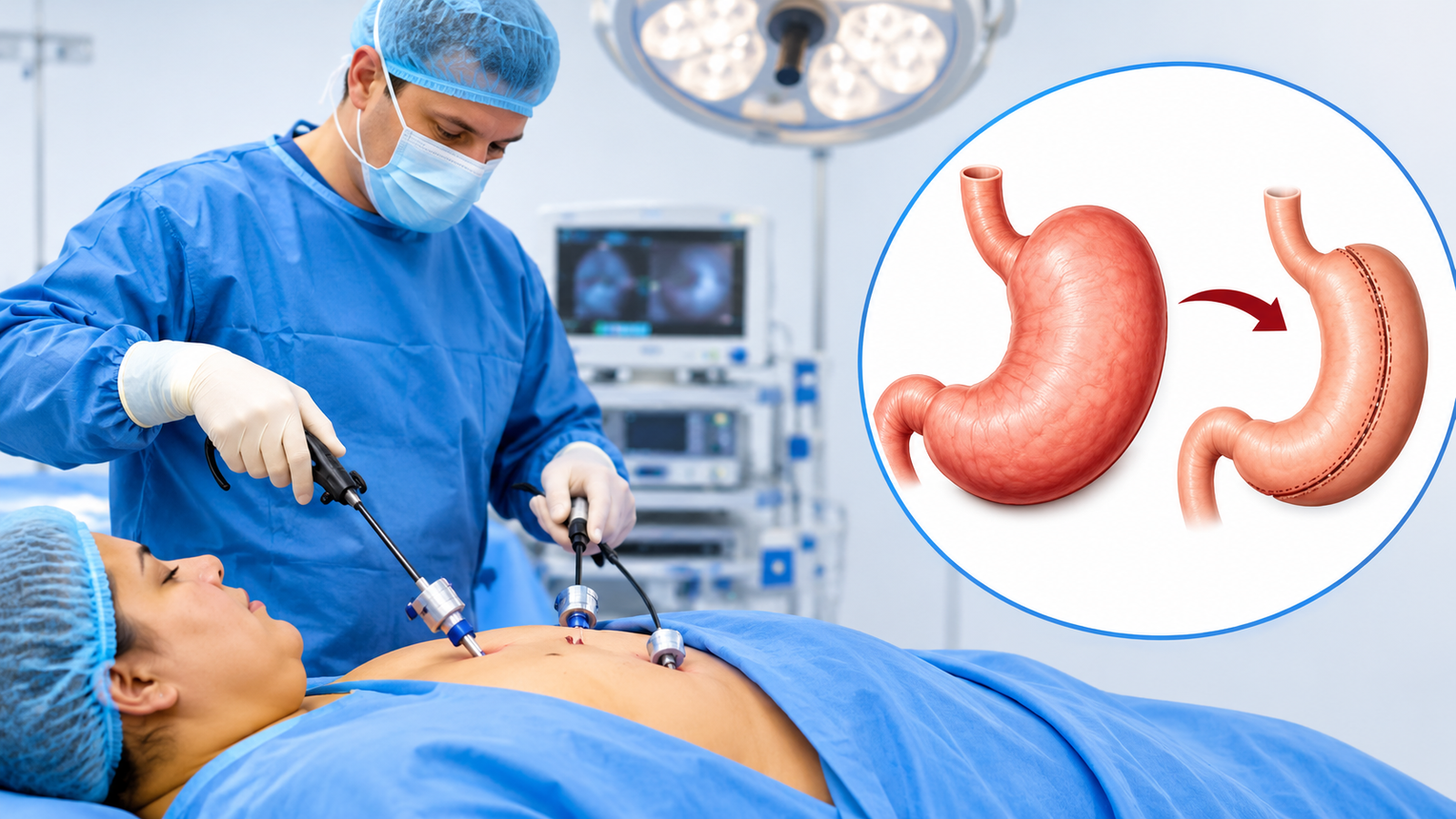
Bariatric surgery is a medical procedure designed to help people with obesity lose weight and improve their overall health. It works by changing the digestive system, either by reducing the size of the stomach or altering how the body absorbs nutrients. For individuals who have struggled to lose weight through diet, exercise, and lifestyle changes, bariatric surgery may offer an effective long-term solution.
Also known as weight loss surgery, this procedure can help reduce excess body weight and lower the risk of obesity-related health conditions such as type 2 diabetes, high blood pressure, heart disease, and sleep apnoea.
Before considering surgery, it is important to understand the different types of bariatric surgery, their benefits, possible side effects, eligibility criteria, and recovery process.
What Is Bariatric Surgery?
Bariatric surgery refers to a group of surgical procedures that help people manage obesity by changing the stomach or digestive system. Depending on the procedure, the stomach may be made smaller, or the digestive tract may be modified to reduce calorie absorption.
The primary goal is to help individuals achieve significant and sustainable weight loss while improving obesity-related health conditions.
Unlike temporary weight loss methods, bariatric surgery can support long-term results when combined with healthy eating habits, regular physical activity, and ongoing medical care.
Doctors generally recommend this surgery for people with severe obesity or those who have obesity-related medical conditions and have not achieved sufficient results through non-surgical treatments.
What Are the Different Types of Bariatric Surgery?
There are several types of bariatric surgery, and each procedure works differently. The choice depends on a person’s weight, medical history, health conditions, and weight loss goals.
Here are some commonly performed procedures:
1. Gastric Sleeve Surgery
Gastric sleeve surgery, also called sleeve gastrectomy, involves removing approximately 75–80% of the stomach, leaving behind a smaller, tube-shaped stomach.
This limits the amount of food a person can eat and helps reduce hunger by lowering the production of certain appetite-regulating hormones.
Key benefits:
-
Reduces stomach capacity.
-
Helps control appetite and portion sizes.
-
Supports significant weight loss.
-
Does not involve rerouting the intestines.
2. Gastric Bypass Surgery
Gastric bypass, also known as Roux-en-Y gastric bypass, involves creating a small stomach pouch and connecting it directly to a section of the small intestine. This procedure restricts food intake and reduces calorie absorption.
Key benefits:
-
Supports substantial weight loss.
-
May improve type 2 diabetes.
-
Can help manage acid reflux in selected patients.
-
May improve obesity-related health conditions.
3. Adjustable Gastric Band Surgery
This procedure involves placing an adjustable silicone band around the upper portion of the stomach. The band creates a small pouch that limits food intake and helps individuals feel full sooner.
The band can be adjusted according to the patient’s needs. However, this procedure is performed less frequently today because of lower long-term weight loss and potential complications compared with other procedures.
4. Biliopancreatic Diversion with Duodenal Switch
This is a more complex weight loss procedure that combines stomach reduction with changes to the digestive pathway. It significantly reduces food intake and nutrient absorption.
It may be recommended for selected individuals with severe obesity. However, it requires lifelong nutritional monitoring because of the increased risk of vitamin and mineral deficiencies.
Understanding the different types of bariatric surgery can help patients have informed discussions with their healthcare providers.
What Are the Benefits of Bariatric Surgery?
There are several physical and metabolic Benefits of bariatric surgery beyond weight reduction. For people living with obesity, the procedure can improve overall health and quality of life.
Some important benefits include:
-
Significant weight loss: Helps individuals lose excess body weight and maintain healthier weight levels over time.
-
Better blood sugar control: Can improve insulin sensitivity and help manage type 2 diabetes.
-
Improved heart health: Weight reduction may help lower high blood pressure and cholesterol levels.
-
Reduced joint pain: Losing excess weight can reduce pressure on the knees, hips, and other joints.
-
Better sleep quality: May improve obesity-related obstructive sleep apnoea.
-
Improved mobility: Makes everyday physical activities more comfortable.
-
Enhanced quality of life: Can improve confidence, mobility, and overall well-being.
The results vary depending on the procedure, individual health conditions, and commitment to long-term lifestyle changes.
Can Bariatric Surgery Help Manage Type 2 Diabetes?
Yes. Bariatric surgery can play an important role in managing type 2 diabetes, particularly in individuals who also have obesity.
Research shows that some weight loss procedures can improve blood sugar levels by reducing insulin resistance and changing gut hormones involved in glucose regulation.
Bariatric surgery for diabetes type 2 may help patients achieve better blood sugar control and, in some cases, diabetes remission. Gastric bypass and sleeve gastrectomy are commonly considered procedures for individuals with obesity and type 2 diabetes.
The connection between type 2 diabetes bariatric surgery and improved metabolic health is important because these procedures may offer benefits beyond weight loss.
However, diabetes remission is not guaranteed. Some patients may still require diabetes medication or ongoing monitoring after surgery. The decision should be made after consultation with an experienced bariatric surgeon and diabetes specialist.
What Are the Risks and Side Effects of Bariatric Surgery?
Although bariatric surgery can provide significant health benefits, it is still a major medical procedure and carries certain risks.
Understanding Bariatric surgery side effects helps patients make informed decisions before undergoing treatment.
Some possible side effects and complications include:
-
Nausea and vomiting: May occur during the initial recovery period, particularly when eating too quickly or consuming large portions.
-
Nutritional deficiencies: Reduced food intake or nutrient absorption can lead to deficiencies in iron, calcium, vitamin B12, and other nutrients.
-
Acid reflux: Some patients may experience or develop worsening acid reflux, particularly after sleeve gastrectomy.
-
Dumping syndrome: More commonly associated with gastric bypass, this condition can cause nausea, diarrhoea, dizziness, and sweating after eating certain foods.
-
Gallstones: Rapid weight loss can increase the risk of developing gallstones.
-
Surgical complications: Bleeding, infection, blood clots, and leakage from surgical connections or staple lines are possible.
-
Bowel obstruction or ulcers: These may develop in some patients, depending on the procedure.
Regular medical check-ups, prescribed supplements, and dietary guidance can help reduce the risk of complications. Patients should seek immediate medical attention if they experience severe abdominal pain, persistent vomiting, fever, or difficulty breathing after surgery.
What Is the Recovery Process After Bariatric Surgery?
Recovery depends on the type of surgery, overall health, and individual healing. Many patients stay in the hospital for a few days, although the duration varies.
The recovery process generally involves:
-
Initial recovery: Patients are monitored for complications, pain, hydration, and mobility.
-
Liquid diet: A clear-liquid or full-liquid diet is introduced according to medical instructions.
-
Soft food stage: Soft, easily digestible foods are gradually introduced.
-
Return to regular foods: Patients slowly transition to balanced meals in smaller portions.
-
Long-term monitoring: Regular follow-ups, nutritional supplements, and physical activity become part of everyday life.
Patients should follow their surgeon’s dietary instructions and avoid strenuous activities until medically cleared.
Is Bariatric Surgery the Right Choice for Weight Loss?
For individuals struggling with severe obesity, surgery to lose weight may provide a medically supervised approach to achieving sustainable weight loss. However, surgery for losing weight is not a quick fix or a substitute for healthy lifestyle habits.
The best results are achieved when patients combine surgery with balanced nutrition, regular exercise, behavioural support, and long-term medical follow-up.
Before choosing a procedure, discuss its benefits, risks, expected outcomes, and nutritional requirements with a qualified bariatric surgeon.
FAQs
1. What is the main purpose of bariatric surgery?
The main purpose of bariatric surgery is to help individuals with obesity lose excess weight and improve related health conditions. It changes the stomach or digestive system to reduce food intake, alter nutrient absorption, or both.
2. Which type of bariatric surgery is most effective?
Gastric bypass, sleeve gastrectomy, and biliopancreatic diversion with duodenal switch are effective procedures. The most suitable option depends on an individual’s BMI, medical history, diabetes status, and overall health.
3. Can bariatric surgery cure type 2 diabetes?
Bariatric surgery can help improve blood sugar levels and may lead to diabetes remission in some patients. However, remission is not guaranteed, and continued medical monitoring is essential.
4. What are the common side effects of bariatric surgery?
Common side effects include nausea, vomiting, acid reflux, nutritional deficiencies, and digestive changes. More serious complications, such as bleeding, infection, blood clots, and surgical leaks, are also possible.
5. How long does it take to recover from bariatric surgery?
Initial recovery may take a few weeks, depending on the procedure and individual health. Most patients gradually return to normal activities while following a staged diet and attending regular medical appointments.
Reference
https://pmc.ncbi.nlm.nih.gov/articles/PMC3709208/
0 200
No Comments