
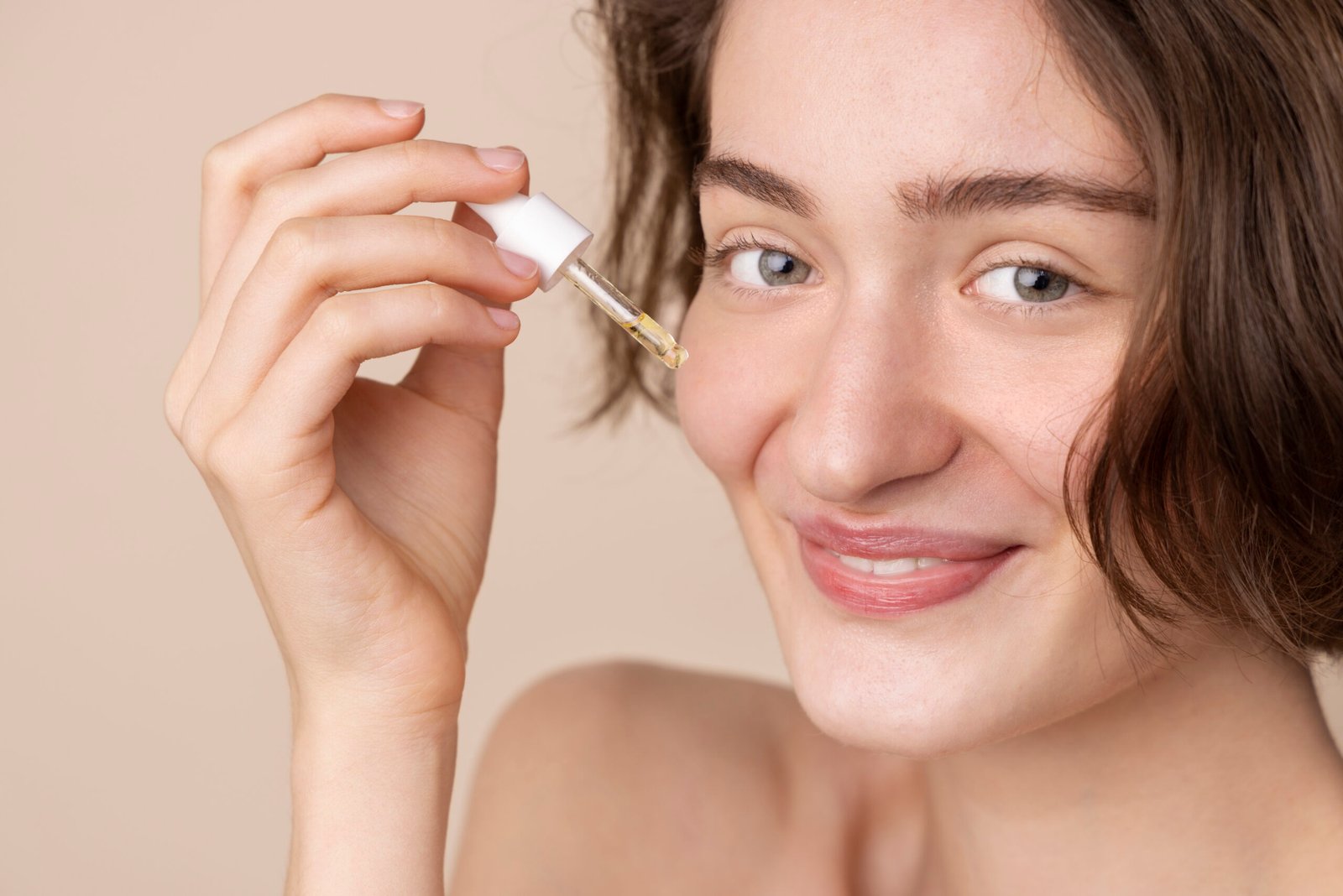
Glycolic acid has become a popular ingredient in modern skincare because of its ability to exfoliate the skin, improve uneven skin tone and promote a smoother complexion. Found in several skincare products, including face washes, toners, serums and creams, this powerful ingredient can help address common concerns such as dullness, dark spots, rough texture and early signs of ageing.
Whether you want brighter-looking skin or a more refined skincare routine, understanding how glycolic acid works can help you use it effectively. However, using the right concentration and following proper skincare precautions are equally important.
Let’s explore the benefits of glycolic acid for skin, its common uses and how to include it safely in your daily routine.
What Is Glycolic Acid?
Glycolic acid is an alpha-hydroxy acid (AHA) commonly derived from sugarcane. It is a water-soluble chemical exfoliant with a small molecular size, allowing it to penetrate the outer layers of the skin more easily than some other AHAs.
It works by loosening the bonds between dead skin cells on the skin’s surface. This helps remove accumulated dead cells and encourages the appearance of fresher, smoother skin.
Glycolic acid is commonly available in skincare products such as exfoliating toners, facial cleansers, serums, moisturisers and professional chemical peels. Its effectiveness depends on the product’s concentration, formulation and pH.
7 Amazing Benefits of Glycolic Acid for Skin
1. Removes Dead Skin Cells
One of the most recognised benefits of glycolic acid is its exfoliating action. Dead skin cells can accumulate on the skin’s surface, making the complexion appear rough, dull and uneven.
glycolic acid for skin benefits helps loosen these cells and supports natural skin renewal. Regular use of a suitable formulation can make the skin feel softer and look smoother without the need for harsh physical scrubbing.
2. Brightens Dull Skin
If your skin looks tired or lacks radiance, glycolic acid may help improve its appearance. By removing the layer of accumulated dead skin cells, it reveals fresher-looking skin underneath.
With consistent and appropriate use, glycolic acid can help improve overall skin brightness and give your complexion a healthier-looking glow.
3. Helps Reduce Dark Spots and Hyperpigmentation
Dark spots can develop due to sunburn exposure, acne marks and other forms of skin discolouration. Glycolic acid may help improve the appearance of superficial pigmentation by encouraging exfoliation and skin renewal.
It can gradually reduce the appearance of some post-acne marks and uneven patches. However, results vary depending on the cause and depth of pigmentation. Persistent or severe dark spots should be evaluated by a dermatologist.
4. Improves Skin Texture
Rough patches, uneven skin texture and flaky areas can affect the overall appearance of your complexion.
Glycolic acid helps remove dead cells from the skin’s surface, making it feel smoother and more refined. When used correctly, it may also improve the appearance of mild roughness and uneven texture.
5. Reduces the Appearance of Fine Lines
Glycolic acid is also used in anti-ageing skincare products. Its exfoliating properties can help improve the appearance of fine lines and surface wrinkles.
Some formulations may support changes in collagen-related skin structure over time. However, glycolic acid cannot completely remove wrinkles or stop the natural ageing process.
6. Helps Keep Pores Clear
Dead skin cells and excess oil can contribute to clogged pores and blackheads. Glycolic acid helps exfoliate the skin’s surface, reducing the accumulation of dead cells that may contribute to blocked pores.
It may be useful for people experiencing mild congestion and blackheads. However, it is not a guaranteed treatment for acne and may need to be combined with dermatologist-recommended treatments.
7. Improves the Appearance of Sun-Damaged Skin
Long-term sun exposure can contribute to uneven pigmentation, rough texture and visible signs of ageing.
Glycolic acid may help improve some visible signs of superficial sun damage by promoting exfoliation and skin renewal. Sunscreen remains essential because glycolic acid can increase skin sensitivity to ultraviolet radiation.
How to Apply Glycolic Acid to Your Skin
Using glycolic acid correctly is important to achieve its benefits while minimising irritation. Follow these general steps:
Step 1: Cleanse Your Face
Wash your face with a gentle cleanser to remove dirt, oil and makeup. Pat your skin dry before applying an exfoliating product.
Step 2: Perform a Patch Test
Before applying glycolic acid to your entire face, test a small amount on a limited area. Monitor your skin for redness, itching, burning or irritation.
Step 3: Apply Glycolic Acid
Apply a suitable glycolic acid serum or toner according to the product instructions. Avoid the eye area, lips and any broken or irritated skin.
Step 4: Follow with Moisturiser
Use a gentle moisturiser after application to support the skin barrier and reduce dryness.
Step 5: Apply Sunscreen
During the day, use a broad-spectrum sunscreen with SPF 30 or higher. Reapply as directed, particularly when spending time outdoors.
Beginners should generally start with one or two applications per week and increase frequency only if their skin tolerates the product.
Who Should Use Glycolic Acid?
Glycolic acid may suit people concerned about:
-
Dull and uneven-looking skin
-
Rough skin texture
-
Mild blackheads and clogged pores
-
Superficial dark spots
-
Fine lines and early signs of ageing
However, people with sensitive skin, eczema, rosacea or a compromised skin barrier should be particularly cautious. A dermatologist can help determine whether glycolic acid is appropriate for their skin type.
Possible Side Effects of Glycolic Acid
Although glycolic acid for skin benefits offers several skincare benefits, incorrect or excessive use can cause unwanted reactions.
Common side effects include:
-
Redness and irritation
-
Dryness and peeling
-
Mild stinging or burning
-
Increased sensitivity to sunlight
-
Temporary skin discomfort
Using high concentrations or combining multiple exfoliating products can increase the risk of irritation. Stop using the product if you experience persistent burning, swelling or significant redness, and consult a dermatologist.
Can You Use Glycolic Acid Every Day?
Daily use depends on the product formulation, concentration and your skin’s tolerance. Beginners should avoid starting with daily applications.
Using glycolic acid once or twice a week initially is a more cautious approach. If your skin tolerates it, you can gradually adjust the frequency according to the product instructions or your dermatologist’s advice.
Avoid combining it with several strong active ingredients, such as retinol and other exfoliating acids, when first introducing it into your routine.
FAQs
1. Is glycolic acid good for all skin types?
Glycolic acid may benefit several skin types, particularly normal and oily skin. However, people with sensitive, dry or irritated skin should use it cautiously and seek professional advice.
2. Does glycolic acid help remove dark spots?
Yes, glycolic acid may help improve the appearance of superficial dark spots and post-acne marks by exfoliating dead skin cells and supporting skin renewal.
3. Should I use glycolic acid in the morning or at night?
Night-time application is generally preferred. However, regardless of when you apply it, daily sunscreen is essential because glycolic acid can increase sensitivity to sunlight.
4. Can glycolic acid help with acne?
It may help reduce dead skin cell accumulation and improve mild pore congestion. However, it is not a standalone solution for all types of acne.
5. How long does glycolic acid take to show results?
Some people notice smoother-looking skin within a few weeks. Improvements in pigmentation and overall skin texture may take several weeks or months of consistent use.
Reference
https://health.clevelandclinic.org/glycolic-acid
https://www.medicalnewstoday.com/articles/glycolic-acid-for-skin
0 200

No Comments