
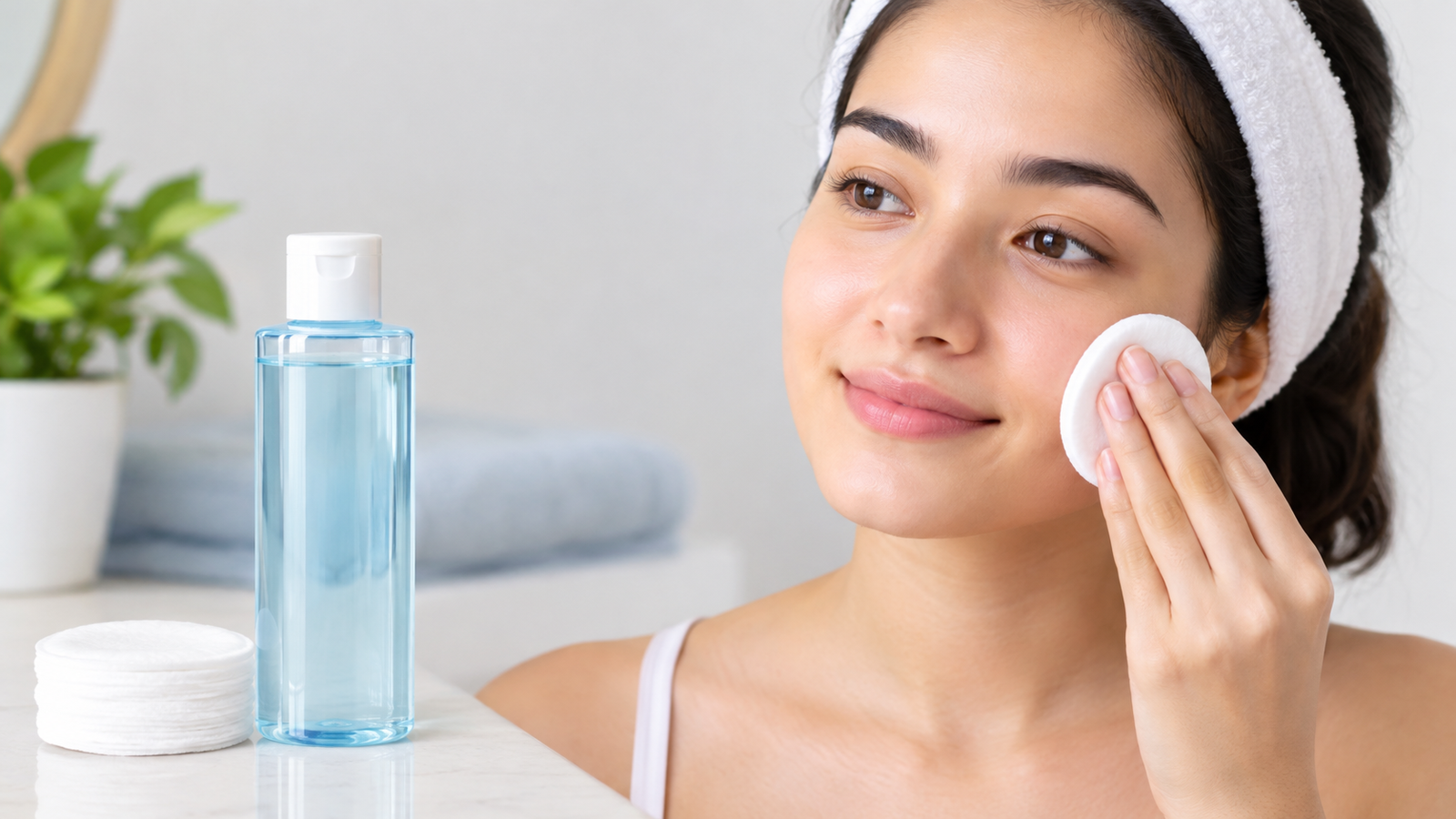
Face toner is an important part of many skincare routines. It helps refresh the skin, remove leftover impurities after cleansing, and prepare the face for other skincare products. With different options available, including rosewater, green tea, and glycolic acid toners, choosing the right one can make a difference in your skincare routine. Understanding the benefits, proper application, and possible side effects can help you achieve healthier-looking skin.
Toner Benefits for Skin
The benefits of face toner vary depending on its ingredients and your skin type. Files, images, and data analysis are unavailable until usage resets at 2:54 PM. Continue chatting with text only, or upgrade for more access.
Try Plus free
A suitable toner can provide hydration, reduce excess oil, and improve the appearance of uneven skin texture. Certain toners contain ingredients that exfoliate dead skin cells and help keep pores clean and unclogged.
Hydrating toners are especially helpful for dehydrated skin, while lightweight formulas may benefit people with oily skin. However, not every toner is suitable for everyone. Choosing a toner suited to your skin type and specific concerns can help improve your skincare routine.
How to Use Face Toner
To get the best results from your skincare routine, it’s important to apply face toner properly. Begin by cleansing your face with a mild cleanser to remove dirt, excess oil, and makeup.
Next, apply a small amount of toner to your hands or a soft cotton pad. Gently pat it onto your face, avoiding the eyes and any irritated areas. Allow it to absorb before applying your next skincare product.
Choose a toner that suits your skin type, and follow the product instructions. If your toner contains exfoliating acids, introduce it gradually to help prevent skin irritation.
When to Use Toner Day or Night
If you are wondering when to use toner day or night, the answer depends on the formula. Most gentle, hydrating toners can be used both morning and evening after cleansing.
Using toner in the morning helps refresh your skin and provide hydration before applying moisturizer and sunscreen. At night, it can be part of your routine after removing makeup and cleansing your face.
Exfoliating toners containing glycolic acid may need less frequent use, especially if you have sensitive skin. Avoid combining several strong exfoliating products in the same routine unless a skincare professional recommends it.
How to Use Toner and Moisturizer
Knowing how to use toner and moisturizer together can help keep your skin comfortable and hydrated. First, cleanse your face and apply your toner. Once it has absorbed, apply a moisturizer suitable for your skin type.
Toner can provide lightweight hydration or address specific concerns, while moisturizer helps reduce water loss and supports the skin barrier. If you have dry skin, opt for a toner containing hydrating ingredients like glycerin or hyaluronic acid, and follow it with a rich moisturizer to lock in moisture.
In the morning, finish your routine with broad-spectrum sunscreen of SPF 30 or higher.
How to Use Face Toner and Serum
To understand how to use face toner and serum, follow the general rule of applying lighter products before thicker ones. Once you’ve cleansed your face, apply toner and allow it to absorb into your skin. Then apply your serum according to its instructions, followed by moisturizer.
For instance, pairing a hydrating toner with a hyaluronic acid serum can help boost skin hydration. If you use a toner containing glycolic acid, be careful when combining it with retinol or other exfoliating ingredients, as this may increase irritation. Add new skincare products to your routine one at a time and observe how your skin reacts.
Toner Benefits for Oily Skin
The toner benefits for oily skin may include reducing the appearance of excess shine, refreshing the face, and helping improve the look of congested pores. Lightweight toners containing niacinamide may help regulate the appearance of oiliness, while salicylic acid formulas can help unclog pores.
Choose alcohol-free products when possible, particularly if your skin is also sensitive. Avoid harsh toners that leave your face feeling tight or dry because irritation can make your skincare routine harder to tolerate.
Green Tea Toner Benefits for Dry Skin
The green tea toner benefits for dry skin mainly come from green tea’s antioxidant and soothing properties. Green tea is rich in polyphenols that help defend the skin against environmental damage, while certain toner formulas may also soothe visible redness.
For dry skin, select a green tea toner that also contains hydrating ingredients such as glycerin or panthenol. Green tea alone does not replace a moisturizer, so follow your toner with a cream that helps maintain skin hydration.
Rosewater Toner Benefits
The rosewater toner benefits include refreshing the skin and providing a soothing sensation. Rosewater-based products may be suitable for people who prefer a lightweight toner with a gentle floral scent.
However, fragrances and botanical ingredients can irritate some sensitive skin types. Choose a formula without added fragrance if your skin reacts easily, and patch-test new products before applying them to your entire face.
Glycolic Acid Toner Benefits
Glycolic acid toners help remove dead skin cells, smooth uneven texture, and give dull skin a brighter, more radiant appearance. Glycolic acid is an alpha hydroxy acid (AHA) that loosens the bonds between dead skin cells.
Start with a low concentration and use it only as directed. Overuse can cause dryness, redness, or irritation. Glycolic acid can also increase sensitivity to sunlight, making daily sunscreen especially important.
Side Effects of Toner on Face
The side effects of toner on face depend on the ingredients, concentration, and frequency of use. Possible reactions include dryness, stinging, redness, itching, and irritation. Strong exfoliating acids or alcohol-heavy formulas may be particularly harsh on sensitive or damaged skin.
Stop using a toner if it causes persistent discomfort or swelling. Patch-test new products, avoid applying them to broken skin, and consult a dermatologist if a reaction is severe or continues.
Is Toner Necessary?
If you are asking is toner necessary for healthy skin, the answer is no. A basic skincare routine can work well with just a gentle cleanser, moisturizer, and sunscreen during the day.
Toner isn’t essential, but depending on its formulation, it can boost hydration, gently exfoliate the skin, and help manage excess oil. Choose one based on your specific concerns rather than adding it simply because it is popular.
Does Toner Lighten Skin?
If you wonder, does toner lighten skin, the answer depends on its ingredients. Some toners contain niacinamide or exfoliating acids that may gradually improve the appearance of dark spots and uneven skin tone.
However, toner does not permanently change your natural skin colour. Results vary, and consistent sunscreen use is important to help prevent existing dark spots from becoming more noticeable.
FAQs
1. Can I use face toner every day?
Yes, many gentle hydrating toners can be used daily. Exfoliating toners may require less frequent use depending on their ingredients and your skin’s tolerance.
2. Should I apply toner before or after serum?
Apply toner after cleansing and before serum. Finish with moisturizer to help keep your skin hydrated.
3. Which toner is best for oily skin?
A lightweight, non-comedogenic toner containing niacinamide or salicylic acid may suit oily skin. Choose a formula based on your skin’s sensitivity and concerns.
4. Can toner help with dark spots?
Some toners containing ingredients such as glycolic acid or niacinamide may improve the appearance of dark spots over time. Sunscreen is essential for preventing further discoloration.
5. Can I skip toner in my skincare routine?
Yes. Toner is optional. A gentle cleanser, moisturizer, and daily sunscreen are the foundation of a simple skincare routine.
Reference
https://health.clevelandclinic.org/what-does-toner-do
https://www.goodrx.com/health-topic/dermatology/what-does-face-toner-do
0 200

No Comments