
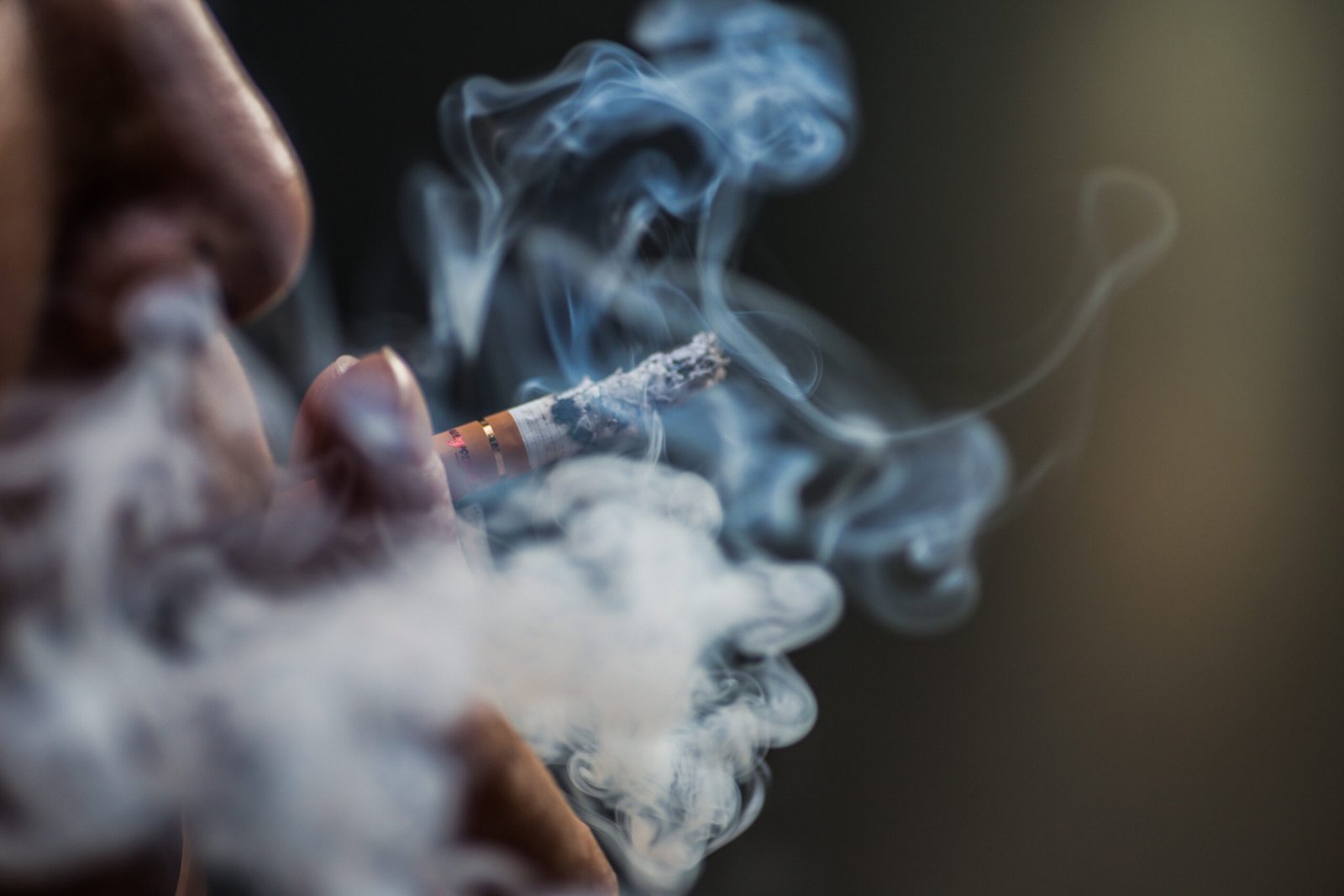
Most people know that smoking and secondhand smoke can affect health. However, fewer people understand the risks of thirdhand smoke. Even after a cigarette is extinguished and the visible smoke disappears, harmful chemicals can remain on clothes, furniture, carpets, walls and other household surfaces. These residues may continue to expose people to toxic substances long after smoking has stopped.
So, is thirdhand smoke harmful? Yes, it is a potential health concern, particularly for babies, young children and people who spend considerable time in contaminated indoor environments. Understanding its effects and learning how to reduce exposure can help protect your family’s health.
What Is Thirdhand Smoke? Understanding Its Meaning
The thirdhand smoke definition refers to the toxic chemical residue left behind after tobacco smoke settles on indoor surfaces, clothing, furniture, carpets and other materials.
Unlike secondhand smoke, which involves breathing in smoke from burning tobacco or exhaled by a smoker, thirdhand smoke remains in the environment after the smoke has cleared.
To understand the difference between 1st 2nd and 3rd hand smoke, consider these three types:
-
Firsthand smoke: Smoke directly inhaled by someone who smokes.
-
Secondhand smoke: Smoke inhaled by people nearby from burning tobacco or a smoker’s exhaled breath.
-
Thirdhand smoke: Chemical residue that remains on surfaces, fabrics, dust and personal belongings after smoking.
These forms of exposure can affect nonsmokers, although the health risks and strength of scientific evidence differ.
Is Thirdhand Smoke Harmful? 7 Hidden Health Risks
Thirdhand smoke leaves behind nicotine and other toxic substances that can pose potential health risks. Although researchers are still studying its long-term effects in humans, exposure raises several health concerns.
1. Respiratory Problems
Thirdhand smoke residue can release chemicals back into the air, which people may inhale. This exposure may irritate the respiratory system and cause discomfort, particularly in people who are sensitive to tobacco-related pollutants.
2. Thirdhand Smoke and Asthma
The connection between thirdhand smoke and asthma is an area of ongoing research. Tobacco-related pollutants can contribute to poor indoor air quality and may irritate sensitive airways.
Children with asthma may be particularly vulnerable to contaminated indoor environments. Reducing tobacco smoke exposure is an important step in maintaining healthier indoor air.
3. Potential Cancer Risks
Can thirdhand smoke cause cancer? This is an important question because tobacco smoke contains several cancer-causing chemicals.
Some of these chemicals remain in thirdhand smoke residue, while others can form through chemical reactions with indoor surfaces and pollutants. Laboratory research has raised concerns about their potential to damage cells.
However, the direct long-term cancer risk from thirdhand smoke exposure in humans has not yet been established conclusively.
4. Risks to Babies and Young Children
Babies and toddlers are particularly vulnerable because they frequently crawl on floors, touch contaminated surfaces and put their hands or toys into their mouths.
These behaviours can increase their exposure through healthy skin contact and accidental ingestion of contaminated dust.
5. Pregnancy-Related Concerns
Thirdhand smoke pregnancy exposure deserves attention because developing babies are vulnerable to environmental pollutants.
Although the specific effects of thirdhand smoke during pregnancy are not fully established, tobacco-related chemicals can create unnecessary exposure. Pregnant females should avoid environments where smoking occurs and minimise contact with contaminated indoor spaces.
6. Possible Developmental Effects
Children’s bodies and organs are still developing. Researchers are investigating whether prolonged exposure to thirdhand smoke chemicals may affect childhood development and biological processes.
More human studies are needed to understand the extent of these potential effects.
7. Increased Exposure Through Everyday Activities
Simply sitting on a sofa, wearing contaminated clothing or playing with toys in a previously smoked-in room can create opportunities for exposure.
This makes thirdhand smoke particularly difficult to avoid because its chemical residue may remain even when nobody is actively smoking.
How Long Does Thirdhand Smoke Last?
How long does thirdhand smoke last? Unfortunately, it can remain in indoor environments for months or even years, depending on the amount of smoking, ventilation, surface materials and cleaning methods.
Tobacco residue can become embedded in carpets, curtains, upholstery, mattresses and walls. Opening windows may improve ventilation, but it does not remove chemicals already attached to surfaces.
Older homes, vehicles and rooms where smoking occurred regularly may require extensive cleaning or renovation to reduce contamination.
How to Test for Thirdhand Smoke?
If you suspect that your home or vehicle has tobacco residue, you may wonder how to test for third hand smoke.
Researchers use specialised laboratory methods to detect nicotine and tobacco-specific chemicals on surfaces, in dust and in indoor air.
Some commercial testing services also offer environmental assessments. However, consumer testing kits may not be sufficiently sensitive or independently validated to provide reliable results.
A lingering cigarette odour can indicate possible contamination, but smell alone cannot confirm the presence or amount of thirdhand smoke.
How to Get Rid of Thirdhand Smoke?
Knowing how to get rid of thirdhand smoke is essential for creating a cleaner indoor environment. Here are some practical steps:
-
Wash clothing and fabrics: Clean curtains, bedsheets, blankets and washable upholstery covers using laundry detergent.
-
Clean hard surfaces: Wash floors, walls, furniture and other washable surfaces thoroughly.
-
Clean carpets and upholstery: Consider professional deep cleaning or replacing heavily contaminated materials.
-
Replace air filters: Change HVAC filters and clean ventilation components where appropriate.
-
Remove contaminated items: Mattresses, carpets and furniture that retain substantial residue may need replacement.
-
Maintain a smoke-free environment: Never allow smoking inside your home or vehicle.
If you are wondering how to get rid of 3rd hand smoke, remember that air fresheners, perfumes and open windows only mask odours or improve ventilation. They do not reliably eliminate tobacco residue.
Does Washing Clothes Remove Thirdhand Smoke?
Yes, washing clothes with regular laundry detergent can help remove thirdhand smoke residue. However, one wash may not completely remove contamination, particularly from heavily exposed fabrics.
So, does washing clothes remove third hand smoke? It can reduce residue, but the results depend on the fabric, contamination level and washing process. Heavily contaminated items may require repeated washing or replacement.
Similarly, can the smell of cigarette smoke on clothes be harmful? The smell alone does not measure exposure, but it can indicate that tobacco-related residue is present.
Thirdhand Smoke and SIDS: What Parents Should Know
Parents should understand the difference between thirdhand smoke and secondhand smoke when considering infant safety.
Research has established that secondhand smoke exposure increases the risk of sudden infant death syndrome (SIDS). However, the direct relationship between thirdhand smoke and SIDS has not been conclusively established.
Nevertheless, reducing all tobacco-related exposure is an important precaution. Keep babies away from smoking environments, maintain a completely smoke-free home and avoid exposing infants to contaminated clothing or surfaces.
For additional guidance, the Thirdhand Smoke Resource Center provides educational information, research updates and practical recommendations for reducing exposure.
Conclusion
Thirdhand smoke is more than an unpleasant cigarette smell. It involves chemical residues that can remain on household surfaces, fabrics and personal belongings long after smoking stops.
Although research into its long-term health effects is ongoing, reducing exposure is a sensible precaution, especially for children, pregnant females and people with respiratory sensitivities.
Keeping indoor spaces completely smoke-free, cleaning contaminated surfaces and washing exposed fabrics can help create a healthier environment for everyone.
FAQs
1. Is thirdhand smoke harmful to babies?
Yes, thirdhand smoke is a potential health concern for babies. Infants can come into contact with tobacco residue through contaminated floors, toys, clothing and furniture. Keeping their surroundings smoke-free is important.
2. If you smell cigarette smoke, is that secondhand smoke?
Not necessarily. If someone is actively smoking nearby, you may be breathing secondhand smoke. If the smell comes from residue left on clothing, furniture or walls after smoking has stopped, it may indicate thirdhand smoke.
3. Can thirdhand smoke cause cancer?
Thirdhand smoke contains chemicals associated with cancer risks, and laboratory studies have raised concerns about its potential toxicity. However, more research is needed to establish its direct cancer risk in humans.
4. How long does thirdhand smoke stay on clothes?
Thirdhand smoke residue can remain on clothing for extended periods if the fabric is not cleaned. Washing with detergent can reduce contamination, although heavily exposed clothing may require repeated washing.
5. How can I protect my family from thirdhand smoke?
Maintain a smoke-free home and vehicle, wash exposed clothing and fabrics, clean frequently touched surfaces and replace heavily contaminated household materials when necessary. Avoid allowing smoking indoors, even when children are not present.
Reference
https://pmc.ncbi.nlm.nih.gov/articles/PMC5501723/
0 200
No Comments