
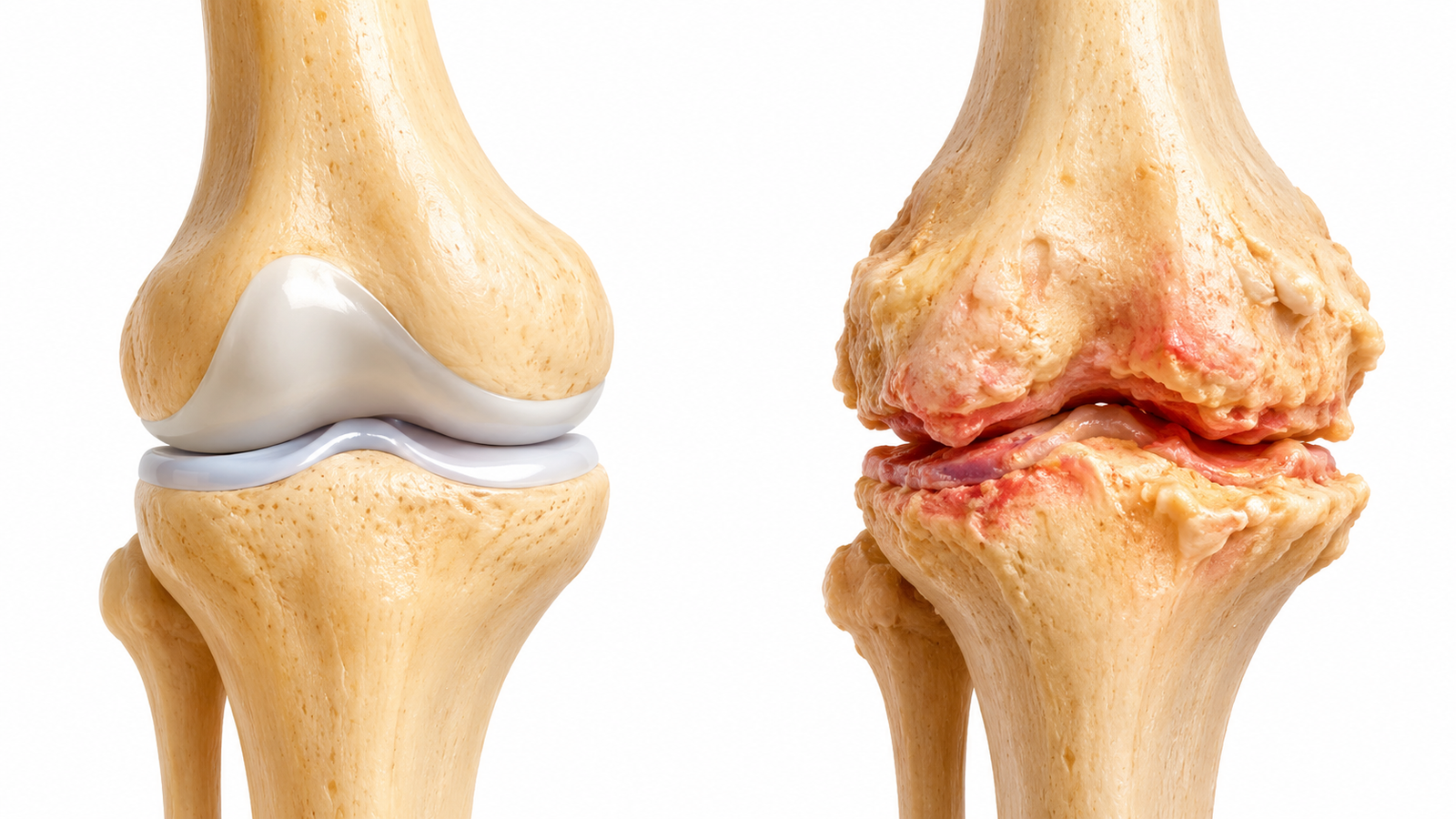
Arthritis is a joint-related condition that causes inflammation, pain, swelling, and stiffness, making everyday movements and physical activities difficult. Arthritis can develop at any age but is more frequently seen in older adults. Its symptoms may appear slowly over time or occur suddenly, depending on the type and underlying condition.
Understanding what is arthritis disease, its early warning signs, and available treatment options can help people manage symptoms and maintain an active lifestyle. While certain types of arthritis have no permanent cure, early diagnosis and proper treatment can help manage symptoms, maintain joint mobility, and support a better quality of life.
What Is Arthritis? (Arthritis Define)
To understand the condition, let’s look at the basic arthritis define. Arthritis is a joint disorder that affects one or more joints, leading to inflammation, discomfort, and reduced movement. Joints are the connecting points between bones that enable the body to move freely and perform everyday activities.
Healthy joints contain cartilage that cushions the bones and reduces friction during movement. In certain types of arthritis, this cartilage gradually wears down or the immune system mistakenly attacks healthy joint tissues. This may result in joint inflammation, discomfort, swelling, and difficulty moving the affected areas.
Arthritis can affect different body parts, including the knees pain, hips, hands, wrists, spine, and feet. Some people experience mild symptoms, while others may develop significant joint damage.
What Is Arthritis and Causes?
There are several reasons why arthritis develops. The underlying causes of arthritis vary based on its type, age, overall health, and lifestyle factors.
Some common reasons of arthritis include:
-
Ageing: The likelihood of developing certain forms of arthritis, especially osteoarthritis, becomes higher as people get older.
-
Genetics: Family history may increase the likelihood of developing certain forms of arthritis.
-
Joint injuries: Previous injuries, fractures, or repeated stress on joints can increase the risk.
-
Autoimmune conditions: In rheumatoid arthritis, the immune system mistakenly attacks the body’s joint tissues.
-
Infections: Certain bacterial or viral infections can trigger joint inflammation.
-
Obesity: Excess body weight puts additional pressure on weight-bearing joints, particularly the knees and hips.
-
Lifestyle Factors: Habits such as smoking and lack of regular physical activity can raise the risk of developing certain forms of arthritis.
Understanding what is arthritis and causes helps individuals recognise potential risk factors and seek medical advice when symptoms appear.
What Is Arthritis and Symptoms?
The signs of arthritis differ based on its type, how severe the condition is, and which joints are involved. Some symptoms develop slowly, while others may appear suddenly.
Common signs and symptoms include:
-
Joint pain during movement or rest
-
Swelling around affected joints
-
Stiffness, especially in the morning
-
Redness and warmth around the joints
-
Reduced flexibility and range of motion
-
Difficulty walking, climbing stairs, or holding objects
-
Tenderness around affected areas
-
Fatigue, particularly in inflammatory arthritis
The pain of arthritis may feel like a dull ache, sharp discomfort, or persistent soreness. Some individuals may notice that their symptoms fluctuate, with periods of relief followed by worsening discomfort.
What Are the 7 Types of Arthritis?
Arthritis includes over 100 distinct conditions, each affecting the joints in different ways. However, seven commonly recognised types include the following:
1. Osteoarthritis: The most common type of arthritis, caused by the gradual breakdown of cartilage that protects the ends of bones. It commonly affects the joints in the knees, hips, hands, and spine.
2. Rheumatoid Arthritis: A chronic autoimmune condition where the immune system mistakenly targets the joint lining, leading to inflammation, swelling, and persistent joint pain.
3. Psoriatic Arthritis: An inflammatory joint condition that commonly occurs in people with psoriasis, a skin disease that causes red, scaly patches. It can affect the joints, fingers, toes, and spine.
4. Gout: A type of arthritis that develops when uric acid crystals accumulate in the joints, often affecting the big toe and triggering sudden episodes of severe pain and swelling.
5. Ankylosing Spondylitis: An inflammatory condition that mainly affects the spine and can cause back pain, stiffness, and reduced flexibility.
6. Juvenile Arthritis: Arthritis that develops in children and teenagers under 16 years of age. It may lead to swollen joints, discomfort, and restricted movement due to stiffness.
7. Septic Arthritis: A joint infection caused by bacteria, viruses, or fungi. It can cause sudden pain, swelling, fever, and requires urgent medical treatment.
These are among the commonly seen types of arthritis, affecting people across various age groups.
What Is Arthritis in the Knee?
Knee arthritis develops when the cushioning cartilage in the knee joint wears away over time, causing pain, swelling, and restricted movement. It can make everyday activities such as walking, standing, climbing stairs, and sitting difficult.
Osteoarthritis is the most frequently occurring form of arthritis in the knee joint. Common symptoms include knee pain, swelling, stiffness after resting, and difficulty bending or straightening the leg.
Treatment options may involve physical therapy, maintaining a healthy weight, prescribed medicines, and knee replacement surgery in advanced cases.
What Is Arthritis in the Back?
Arthritis in the back occurs when the joints in the spine become inflamed or undergo degenerative changes. It may affect the neck, lower back, or other parts of the spine.
Common symptoms include back pain, stiffness, limited movement, and discomfort that may worsen after inactivity. Osteoarthritis of the spine and ankylosing spondylitis are two conditions associated with spinal arthritis.
The treatment approach varies based on the cause and may include physiotherapy, doctor-recommended medicines, and healthy lifestyle modifications.
How Is Arthritis Diagnosed?
Doctors diagnose arthritis through a combination of medical history, physical examination, and diagnostic tests.
Common diagnostic methods include:
-
Physical examination: Checking joint swelling, tenderness, stiffness, and movement.
-
Blood tests: Identifying inflammation or specific markers associated with rheumatoid arthritis.
-
X-rays: Detecting joint damage, bone changes, and cartilage loss.
-
MRI scans: Providing detailed images of joints and surrounding soft tissues.
-
Joint fluid analysis: Examining fluid from an affected joint to identify infection or uric acid crystals.
Early diagnosis helps doctors recommend suitable treatment and prevent further complications.
Treatment Options for Arthritis
Arthritis treatment depends on its type, severity, and the joints affected. Although some forms cannot be permanently cured, appropriate treatment can help control symptoms and improve mobility.
Common treatment options include:
-
Medications: Pain relievers, anti-inflammatory medicines, and disease-modifying drugs may be prescribed depending on the condition.
-
Physiotherapy: Exercises help strengthen muscles, improve flexibility, and support joint movement.
-
Weight management: Maintaining a healthy weight reduces pressure on the knees and hips.
-
Hot and cold therapy: Heat may relieve stiffness, while cold packs can help reduce swelling.
-
Lifestyle changes: Regular low-impact exercise, balanced nutrition, and adequate rest can support joint health.
-
Surgery: Joint replacement or other surgical procedures may be recommended when severe joint damage affects daily activities.
Is Arthritis a Curable Disease?
Many people wonder, is arthritis a curable disease? The answer depends on the type of arthritis.
Most common forms, such as osteoarthritis and rheumatoid arthritis, do not currently have a permanent cure. However, medications, physiotherapy, lifestyle changes, and other treatments can help manage symptoms and slow disease progression.
Some cases of infectious arthritis can be successfully treated by eliminating the underlying infection. Early medical attention is important to prevent permanent joint damage.
FAQs
1. What is arthritis disease?
Arthritis is a condition that causes inflammation or damage in one or more joints. It can lead to pain, stiffness, swelling, and difficulty moving.
2. What are the early symptoms of arthritis?
Early symptoms include joint pain, morning stiffness, swelling, tenderness, and reduced flexibility. Symptoms may vary depending on the type of arthritis.
3. What are the most common reasons for arthritis?
Common risk factors include ageing, genetics, joint injuries, autoimmune conditions, infections, and excess body weight.
4. Can arthritis affect the knees and back?
Yes. Arthritis can affect several joints, including the knees and spine. Knee arthritis may cause difficulty walking, while spinal arthritis can lead to back pain and stiffness.
5. Can arthritis be treated permanently?
Most types of arthritis do not have a permanent cure. However, appropriate treatment can control symptoms, improve joint movement, and help prevent further damage.
No Comments