
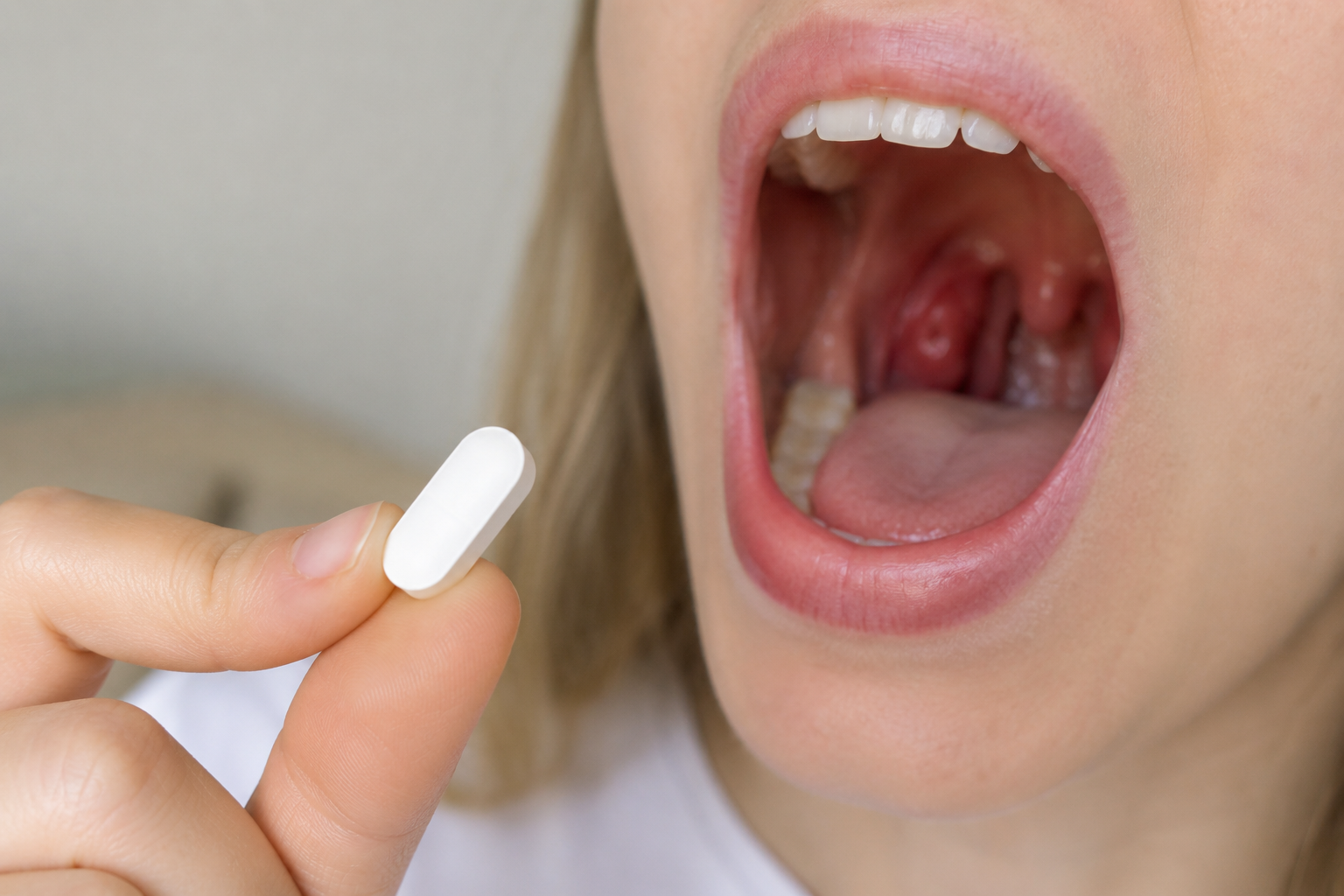
Antibiotics for strep throat are a common bacterial infection caused by Group A Streptococcus. It spreads easily through coughing, sneezing, or close contact, and it affects both adults and children. One of the most effective ways to treat this condition is with antibiotics, which help reduce symptoms, prevent complications, and limit the spread of infection.
When discussing treatment options, many people search for the best antibiotic for strep throat, what antibiotic is used for strep throat, or even how much antibiotics for strep throat. However, it is important to understand that treatment should always be guided by a healthcare professional based on age, health condition, and severity of infection.
Understanding Antibiotics for Strep Throat
Antibiotics work by killing bacteria or stopping their growth. For strep throat, doctors commonly prescribe antibiotics like penicillin or amoxicillin. These medications are highly effective in most cases and usually start improving symptoms within 24 to 48 hours.
In some situations, especially when patients are allergic to penicillin, alternative antibiotics may be prescribed. This is why there is no single answer to what antibiotic is used for strep throat, as it depends on individual medical history.
It is also important to note that sometimes people search for no antibiotics for strep throat, but untreated strep throat can lead to serious complications such as rheumatic fever, kidney inflammation, or abscess formation. Therefore, antibiotics are generally recommended when strep infection is confirmed.
Antibiotics for Adults and Children
Treatment approaches may vary slightly between adults and children. In children, doctors are extra careful with dosage and duration to ensure safety and effectiveness. Parents often worry about how many antibiotics for strep throat their child should take, but the exact dose is always calculated based on weight management and medical evaluation.
For adults, standard antibiotic courses are usually prescribed for 10 days to ensure complete elimination of bacteria, even if symptoms improve earlier.
Antibiotics and Pregnancy Considerations
A pregnant female with strep throat requires special attention. Many commonly used antibiotics, such as penicillin and amoxicillin, are considered safe during pregnancy. However, patients often search for antibiotics for strep throat during pregnancy or antibiotics for strep throat while pregnant to ensure safety.
Doctors carefully choose medications that are both effective and safe for the mother and baby. Self-medication should be strictly avoided during pregnancy.
Importance of Completing the Antibiotic Course
Even if symptoms improve quickly, it is essential to complete the full course of antibiotics. Stopping early can cause bacteria to survive and return stronger, leading to recurrence or resistance. This is especially important when dealing with infections like strep throat.
People often ask, do you need to be on antibiotics for strep throat. The answer is yes, in most confirmed bacterial cases. Without antibiotics, the infection may last longer and increase the risk of spreading to others.
Recovery and Contagious Period
A common concern is how long strep throat is contagious with antibiotics. Generally, individuals stop being contagious about 24 hours after starting antibiotics, provided they no longer have a fever. Without treatment, strep throat can remain contagious for up to 2–3 weeks.
During recovery, patients should rest, stay hydrated, and avoid close contact with others. Good hygiene practices like handwashing also help prevent the spread.
When Antibiotics Are Not Needed
Not all sore throats require antibiotics. Viral infections can cause similar symptoms but do not respond to antibiotic treatment. This is why doctors often perform a throat swab or rapid test before prescribing medication.
This distinction helps prevent unnecessary use of antibiotics and reduces resistance in the long term.
Proper Use of Antibiotics
Using antibiotics correctly is crucial. Patients should:
- Take the medication exactly as prescribed
- Avoid skipping doses
- Complete the full course
- Do not share antibiotics with others
Misuse can reduce effectiveness and increase health risks.
Prevention Tips
While antibiotics, prevention is equally important. Simple habits can reduce infection risk:
- Wash your hands regularly
- Avoid sharing utensils
- Cover your mouth while coughing or sneezing
- Stay away from infected individuals
These steps help reduce the spread of bacteria in homes, schools, and workplaces.
FAQs
1. What is the best antibiotic for strep throat?
The best antibiotic for strep throat is usually penicillin or amoxicillin, as they are highly effective against Group A Streptococcus bacteria. Alternatives are used for people with allergies.
2. How many antibiotics for strep throat are needed?
The amount depends on age, weight, and medical condition. Doctors determine the correct dosage, especially for children, to ensure safe and effective treatment.
3. Do you need to be on antibiotics for strep throat?
Yes, if the throat is confirmed by a medical test, antibiotics are recommended to prevent complications and speed up recovery.
4. How long does strep throat remain contagious after starting antibiotics?
After starting antibiotics, most people stop being contagious within about 24 hours, provided symptoms improve, and the fever is gone.
5. Are antibiotics for strep throat safe during pregnancy?
Yes, certain antibiotics are safe during pregnancy. Doctors carefully prescribe medications to ensure safety for both mother and baby.
Reference
https://my.clevelandclinic.org/health/diseases/4602-strep-throat
https://www.drugs.com/medical-answers/best-antibiotic-treat-strep-throat-3121657/
https://www.webmd.com/oral-health/understanding-strep-throat-treatment
0 200

No Comments