

Weight management is not just about losing weight quickly—it is about building healthy, long-term habits that help maintain a balanced lifestyle. In today’s fast-paced world, people often struggle with diet control, lack of exercise, and inconsistent routines. A well-structured weight management program can help individuals achieve sustainable results without compromising overall health.
Whether you are trying to lose weight, maintain your current shape, or improve overall wellness, focusing on a healthy diet for weight control and regular physical activity is essential. Below are practical insights, lifestyle tips, and dietary strategies that support long-term success.
Understanding Weight Management
Weight management refers to a combination of healthy eating, physical activity, and behavioral changes that help maintain an ideal body weight. It is not a temporary diet but a lifelong approach to health.
A structured weight management program helps individuals track calorie intake, improve nutrition choices, and stay consistent with exercise routines. The objective is to maintain a balance between calorie intake and calorie burn.
For many individuals, maintaining consistency is the most difficult part. That’s why professional weight control programs often include coaching, meal planning, and lifestyle tracking to ensure steady progress.
Importance of a Balanced Diet
A balanced diet for weight management plays a crucial role in maintaining energy levels and supporting metabolism. A proper diet includes proteins, healthy fats, fiber, vitamins, and minerals in the right proportion.
Eating whole foods such as fruits, vegetables, lean meats, and whole grains helps reduce cravings and prevents overeating. Avoiding processed foods and sugary drinks is also essential for long-term success.
For pets, nutrition is equally important. Products like Purina Pro Plan weight control formulas are designed to support healthy body conditions in dogs and cats by providing controlled calories and balanced nutrients.
Healthy Eating Habits for Weight Control
Developing a healthy diet for weight management involves small but consistent lifestyle changes:
- Eat smaller portions throughout the day
- Avoid late-night snacking
- Drink plenty of water
- Include high-fiber foods to improve digestion
- Reduce intake of processed sugar and fats
These habits help the body regulate appetite naturally and support fat reduction without extreme dieting.
Exercise and Physical Activity
Exercise is a key component of any weight control strategy. Regular physical activity helps burn calories, increase metabolism, and improve mental health.
Even simple activities like walking, cycling, or yoga can significantly improve results when done consistently. A successful weight control program always includes a mix of cardio and strength training exercises.
Weight Management for Pets
Weight control is not only important for humans but also for pets. Obesity in animals can lead to serious health problems such as diabetes, joint pain, and heart disease.
High-quality nutrition, like weight management dog food, helps maintain a healthy weight in pets by controlling calorie intake while ensuring proper nutrition. Similarly, weight management cat food is specially formulated to support indoor cats that may have lower activity levels.
Using weight management dog food regularly can help dogs maintain energy levels without gaining excess fat. In many cases, veterinarians recommend switching to specialized diets for better long-term health.
Behavioral Changes for Long-Term Success
Sustainable weight loss requires changes in mindset and behavior. Emotional eating, stress, and irregular sleep patterns can affect body weight significantly.
If you are trying to resume weight control management, it is important to restart gradually rather than following extreme diets. Focus on rebuilding healthy routines such as meal planning, portion control, and regular exercise.
Keeping a food journal or using a tracking app can also help monitor progress effectively.
Building a Sustainable Weight Management Plan
A successful weight control program should be realistic and adaptable. Instead of extreme restrictions, focus on gradual improvement.
Key elements include:
- Personalized diet plan
- Regular physical activity
- Hydration and sleep management
- Stress control techniques
- Regular progress tracking
Combining these elements helps ensure long-term success and prevents weight regain.
Role of Professional Support
Many people benefit from joining structured weight control programs that provide expert guidance. Nutritionists, dietitians, and fitness trainers can help design personalized plans based on individual needs.
Professional support also helps in overcoming plateaus and maintaining motivation during the journey.
Conclusion
Weight control is a lifelong commitment rather than a short-term goal. By following a balanced lifestyle, eating a nutritious diet, and staying physically active, anyone can achieve sustainable results.
Whether you are focusing on personal fitness or choosing the right nutrition for your pets with products like Purina Pro Plan weight control, consistency is the key to success. Building habits such as a healthy diet for weight control and structured routines ensures long-term wellness and stability.
FAQs
1. What is the best way to start a weight control program?
The best way to start a weight control program is by setting realistic goals, improving your diet, and adding regular exercise to your routine. Gradual changes are more effective than extreme dieting.
2. How does a balanced diet for weight management help?
A balanced diet for weight management provides the body with essential nutrients while controlling calorie intake. It helps maintain energy levels and supports healthy fat loss.
3. Is weight management dog food effective for pets?
Yes, weight management dog food is specially formulated to reduce excess calories while maintaining nutrition, helping dogs achieve and maintain a healthy weight.
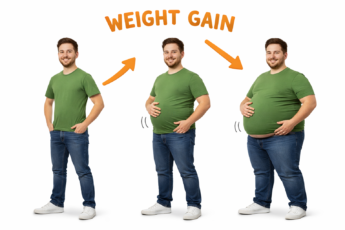
4. Can I resume weight control after gaining weight again?
Yes, you can resume weight loss management anytime by restarting healthy eating habits, exercising regularly, and following a structured plan without extreme restrictions.
5. What is included in weight control programs?
Weight management programs typically include diet planning, exercise guidance, behavioral counseling, and progress tracking to ensure long-term success.

No Comments