
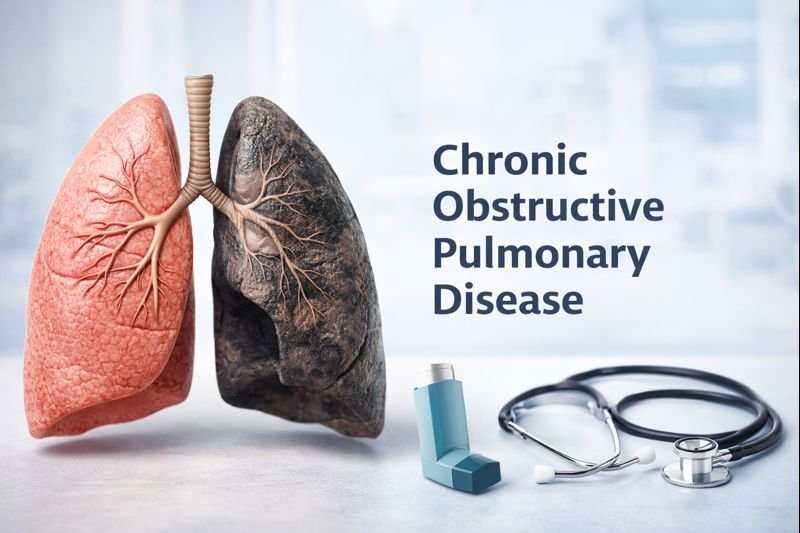
COPD is a progressive respiratory disorder that obstructs airflow and causes shortness of breath. It is one of the leading causes of morbidity and mortality worldwide, affecting millions of people. To manage and prevent complications, it is crucial to understand what chronic obstructive pulmonary disease is, its symptoms, risk factors, diagnostic methods, and treatment options.
What is Chronic Obstructive Pulmonary Disease?
Chronic Obstructive Pulmonary Disease refers to a group of lung diseases that block airflow and cause breathing difficulties. The two main types of COPD are:
-
Chronic bronchitis – inflammation of the bronchial tubes leading to excessive mucus production and persistent cough
-
Emphysema – damage to the air sacs (alveoli) in the lungs disease, decreasing oxygen exchange
People with COPD often experience shortness of breath, wheezing, chronic cough, and fatigue. The disease is progressive, meaning symptoms typically worsen over time if not properly managed. Understanding what is the chronic obstructive pulmonary disease is helps patients recognize early signs and seek timely medical care.
COPD Risk Factors
Identifying chronic obstructive pulmonary disease risk factors is important for prevention and early detection. Major risk factors include:
-
Smoking – The leading cause of COPD worldwide.
-
Long-term exposure to air pollutants – Dust, fumes, and chemicals at work or home.
-
Genetic factors – Such as alpha-1 antitrypsin deficiency.
-
Age – Individuals over 40 have a higher risk of developing COPD.
-
History of respiratory infections – Childhood infections may increase vulnerability.
By understanding COPD, individuals can take preventive measures, including quitting smoking, avoiding pollutants, and seeking regular medical check-ups.
Symptoms of COPD
Common symptoms of COPD include:
-
Persistent cough with mucus (often called “smoker’s cough”)
-
Shortness of breath, especially during physical activity
-
Wheezing or tightness in the chest
-
Frequent respiratory infections
-
Fatigue and reduced exercise tolerance
Recognizing these symptoms early allows for prompt diagnosis and management, improving quality of life.
Diagnosis of COPD
Diagnosing COPD typically involves a combination of physical examination, patient history, and imaging tests. One important diagnostic tool is the COPD X-ray.
Chronic Obstructive Pulmonary Disease X Ray
A COPD X-ray can reveal changes in lung structure, such as hyperinflation, flattened diaphragm, or enlarged air spaces in emphysema. While X-rays alone cannot confirm COPD, they help assess disease severity and rule out other conditions.
Other diagnostic tests include:
-
Spirometry – Measures lung function and airflow limitation
-
CT scan – CT scan gives detailed images of the lung tissue.
-
Blood tests –Blood tests are used to measure oxygen and carbon dioxide levels in the body.
Early diagnosis ensures timely interventions and helps reduce disease progression.
Treatment of COPD
Chronic Obstructive Pulmonary Disease treatment aims to relieve symptoms, slow progression, and improve quality of life. Common treatments include:
-
Medications
-
Bronchodilators: Relax airway muscles for easier breathing
-
Inhaled corticosteroids: Reduce inflammation
-
Combination inhalers for symptom control
-
-
Oxygen therapy – For patients with low blood oxygen levels
-
Pulmonary rehabilitation – Pulmonary rehabilitation includes exercise, breathing techniques, and education to help improve lung function.
-
Surgery or procedures – In severe cases, lung volume reduction surgery or lung transplants may be considered
Lifestyle changes, such as quitting smoking, avoiding pollutants, and maintaining a healthy diet, are essential alongside medical interventions. Early recognition of chronic obstructive pulmonary disease symptoms and timely treatment can significantly improve outcomes.
Nursing Care for COPD
A structured chronic obstructive pulmonary disease nursing care plan is essential for managing patients with COPD. Nursing care focuses on symptom relief, preventing complications, and improving quality of life. Key components include:
-
Assessment: Monitoring vital signs, oxygen levels, respiratory rate, and patient symptoms
-
Medication management: Ensuring proper use of inhalers and adherence to prescribed medications
-
Oxygen therapy support: Administering oxygen safely and monitoring response
-
Patient education: Teaching breathing exercises, lifestyle modifications, and early recognition of exacerbations
-
Psychosocial support: Helping patients cope with stress and anxiety, and lifestyle adjustments
Implementing a COPD nursing care plan ensures comprehensive care for patients at home and in clinical settings.
Preventive Measures
Preventing COPD or slowing its progression involves addressing COPD risk factors:
-
Quit smoking – The most effective preventive measure
-
Reduce exposure to pollutants – Avoid dusty or smoky environments
-
Vaccinations – such as flu and pneumonia shots- help lower the risk of infections.
- Healthy diet – A healthy diet helps boost the immune system and maintain energy levels
These preventive steps complement medical treatment and nursing care to manage COPD effectively.
Living with COPD
Managing COPD is a lifelong process. Patients are encouraged to:
-
Track symptoms and report changes to their healthcare provider
-
Follow the prescribed COPD treatment plan
-
Participate in pulmonary rehabilitation programs
-
Stay active and maintain a healthy weight
-
Avoid infections and practice good respiratory hygiene
With proper care, lifestyle adjustments, and early detection, people with COPD can maintain a good quality of life and reduce complications.
Conclusion
Chronic Obstructive Pulmonary Disease (COPD) is a serious lung condition that affects breathing. Knowing its symptoms, risk factors, and treatment options, along with following a proper nursing care plan, can help manage the disease effectively and improve quality of life. Early detection and healthy lifestyle choices play a key role in preventing complications.
FAQs
1. What is the main cause of COPD?
The leading cause is long-term exposure to tobacco smoke. Other factors include air pollution, genetic conditions, and repeated respiratory infections.
2. What are common symptoms of COPD?
Symptoms include chronic cough with mucus, shortness of breath, wheezing, chest tightness, and fatigue.
3. How is COPD diagnosed?
Diagnosis involves lung function tests, a chronic obstructive pulmonary disease x ray, CT scans, and blood oxygen assessments.
4. What is included in a COPD nursing care plan?
A COPDnursing care plan focuses on monitoring symptoms, managing medications, providing oxygen therapy, patient education, and psychosocial support.
5. Can lifestyle changes prevent COPD?
Yes. Quitting smoking, avoiding pollutants, staying active, and maintaining a healthy diet help prevent COPD and reduce its progression.
Reference
https://www.mayoclinic.org/diseases-conditions/copd/symptoms-causes/syc-20353679
https://www.who.int/news-room/fact-sheets/detail/chronic-obstructive-pulmonary-disease-(copd)
https://my.clevelandclinic.org/health/diseases/8709-chronic-obstructive-pulmonary-disease-copd
0 200
No Comments