
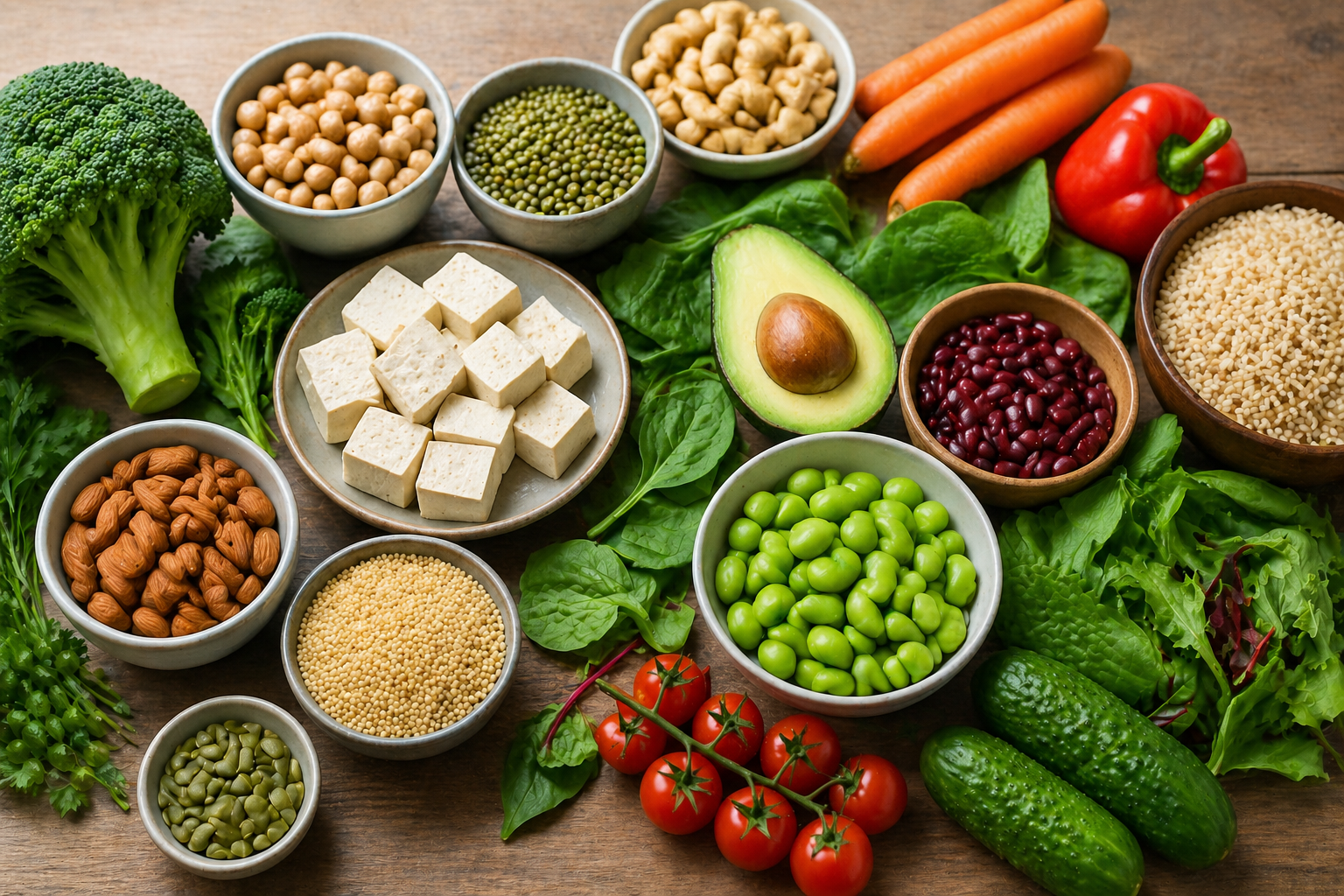
A vegan diet has gained significant popularity in recent years, driven by health awareness, environmental concerns, and ethical considerations. People adopting veganism avoid all animal products, including meat, dairy, eggs, and even honey. While many praise the lifestyle for its benefits, it’s equally important to understand the vegan diet pros and cons before making the switch. This guide explores the pros and cons of the vegan diet in detail, helping you make an informed decision.
What Is a Vegan Diet?
A vegan diet focuses entirely on plant-based foods such as fruits, vegetables, grains, legumes, nuts, and seeds. The concept of veganism, vegan living, extends beyond food—it often includes avoiding animal-derived products in clothing and cosmetics as well. Understanding veganism’s pros and cons can help you decide whether this lifestyle aligns with your goals.
Advantages of a Vegan Diet
1. Improved Heart Health
One of the biggest advantages of a vegan diet is its positive impact on heart health. Plant-based diets are naturally low in saturated fats and cholesterol, which helps reduce the risk of heart disease. Studies show that people following a vegan diet often have lower blood pressure and cholesterol levels.
2. Weight Management
A lot of individuals choose veganism as a way to lose weight. A well-balanced vegan diet is typically lower in calories and higher in fiber, making it easier to maintain a healthy weight. This is one of the most appealing pros and cons of a vegan diet discussions for those looking to shed extra pounds.
3. Rich in Nutrients
A vegan diet is packed with essential nutrients like vitamins, minerals, and antioxidants. Fruits and vegetables provide high levels of vitamin C, potassium, and fiber, which contribute to overall health. These are strong pros and of a cons vegan diet in favor of plant-based eating.
4. Environmental Benefits
Another major advantage of veganism is its lower environmental impact. Plant-based diets require fewer natural resources and produce fewer greenhouse gas emissions compared to animal farming. This makes veganism an eco-friendly choice.
5. Ethical Considerations
For many, avoiding animal cruelty is a key reason for adopting veganism. Ethical concerns about animal welfare are central to the veganism pros and cons debate.
Cons of a Vegan Diet
While there are many benefits, it’s important to examine the cons of a vegan diet and potential challenges.
1. Nutrient Deficiencies
One of the biggest cons of a vegan diet is the risk of nutrient deficiencies. Nutrients like vitamin B12, iron, calcium, and omega-3 fatty acids are primarily found in animal products. Without proper planning, these deficiencies can lead to health issues.
2. Limited Food Choices
A vegan diet can feel restrictive, especially when dining out or traveling. Finding suitable options may be challenging, which is a common downside of being vegan.
3. Higher Food Costs
Some plant-based alternatives, such as vegan cheeses or meat substitutes, can be expensive. This is often cited as one of the cons of being vegan.
4. Social Challenges
Following a vegan diet may create social difficulties, especially during gatherings or family events where non-vegan food is the norm. This is one of the overlooked vegan cons.
5. Requires Careful Planning
Maintaining a balanced vegan diet requires effort and knowledge. Without proper meal planning, you may face the drawbacks of a vegan diet, including fatigue or nutrient imbalance.
Vegan Diet Pros and Cons Summary
When evaluating the vegan diet advantages and disadvantages, it’s clear that the lifestyle offers both health benefits and challenges. Here’s a quick breakdown:
Pros:
- Better heart health
- Weight management
- High nutrient intake
- Environmental sustainability
- Ethical benefits
Cons:
- Risk of nutrient deficiencies
- Limited food options
- Social challenges
- Potential higher costs
- Requires careful planning
Understanding these pros and cons vegan helps you make a balanced decision.
Is a Vegan Diet Right for You?
Choosing a vegan diet depends on your personal health goals, lifestyle, and beliefs. While the pros and cons of the vegan diet vary from person to person, many people successfully adopt veganism with proper planning and supplementation.
If you’re considering this lifestyle, consult a nutritionist to ensure you meet your dietary needs. Being aware of the cons to veganism and addressing them proactively can help you maintain a healthy and sustainable diet.
Final Thoughts
The vegan diet pros and cons discussion highlights that no diet is perfect. While there are numerous health and environmental benefits, the negatives of being vegan cannot be ignored. By understanding the pros and cons vegan diet, you can make an informed choice that suits your lifestyle and health needs.
FAQs
1. What are the main pros and cons of a vegan diet?
The main pros and cons of the vegan diet include improved heart health and weight management as benefits, while nutrient deficiencies and limited food choices are common drawbacks.
2. Are there any health risks in a vegan diet?
Yes, some cons of veganism include potential deficiencies in vitamin B12, iron, and calcium if the diet is not properly planned.
3. Can a vegan diet help with weight loss?
Yes, one of the key advantages of a vegan diet is its ability to support weight loss due to lower calorie intake and higher fiber content.
4. What are the biggest vegan diet cons?
The biggest vegan diet cons include nutrient deficiencies, social limitations, and the need for careful meal planning.
5. Is veganism sustainable long-term?
Yes, with proper planning and supplementation, veganism can be sustainable. However, understanding the cons vegan diet and addressing them is essential for long-term success.
Reference
https://www.altamed.org/article/pros-and-cons-vegan-diet
https://www.verywellfit.com/health-benefits-and-risks-of-eating-vegan-4104567

No Comments