
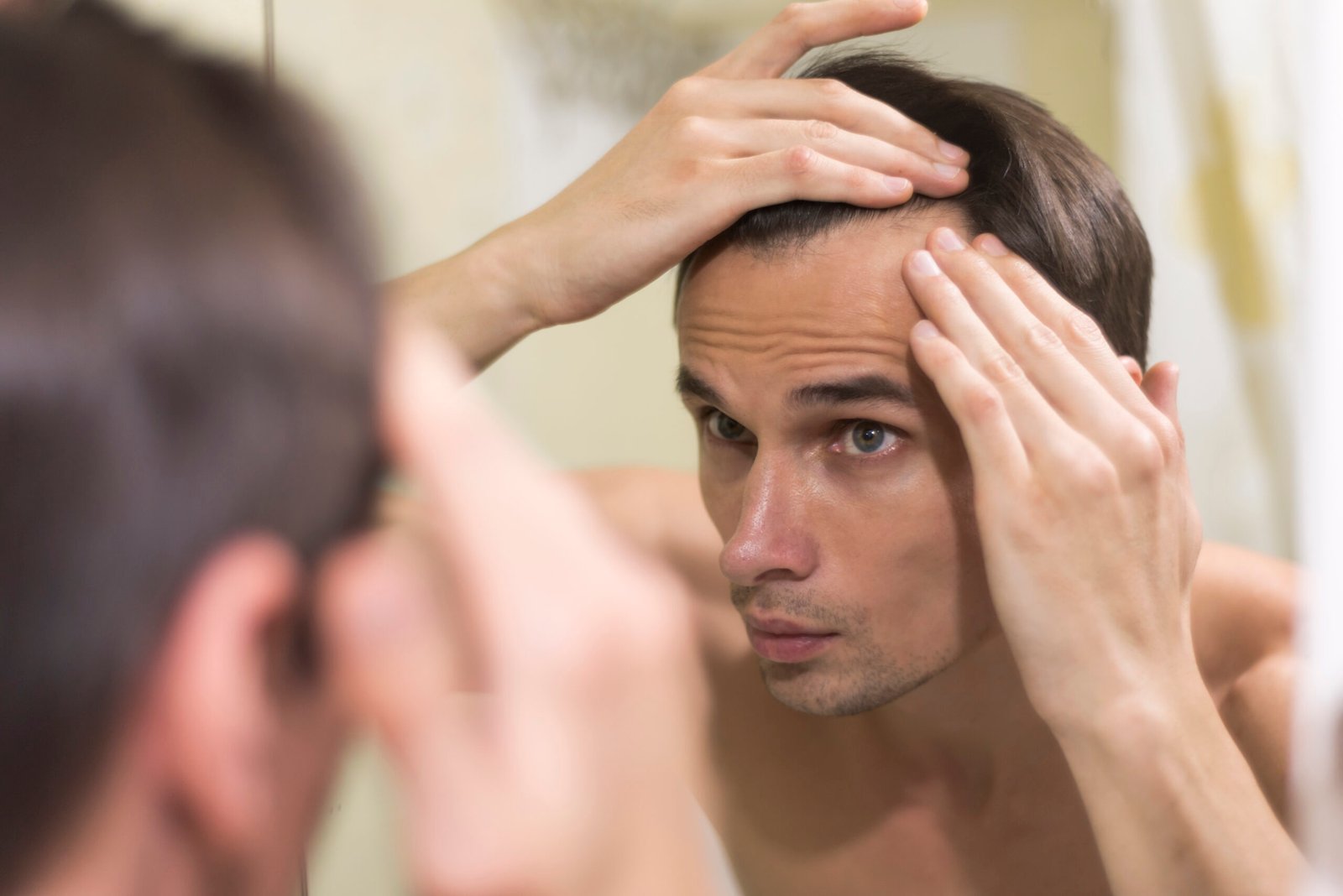
Hair loss is a common concern for both men and women. It can occur due to genetics, hormonal imbalance, stress, aging, or underlying health conditions. A hormone often discussed in relation to hair thinning is testosterone but the connection between low testosterone and hair loss is more complicated than many assume. While people usually think low testosterone directly causes hair fall, the real factor behind most cases is a hormone derived from testosterone called DHT (dihydrotestosterone).
Understanding how testosterone, DHT, and genetics interact can help you identify the real cause of thinning hair and select the right treatment. This guide explains how these hormones influence hair growth, debunks myths, and provides effective treatment options.
How to Treat Hair Loss Linked to Low Testosterone
Hair loss management depends on identifying what’s causing the shedding. If hormonal factors such as low testosterone or elevated DHT levels are involved, correcting those imbalances can help. However, genetics, stress, nutrition, and scalp health also play important roles.
Before exploring treatment options, it’s essential to understand how testosterone and DHT affect hair follicles.
The Real Connection Between Low Testosterone and Hair Loss
Testosterone is vital for muscle strength, libido, mood, and overall energy in both men and women. When levels fall, symptoms like fatigue, low sexual desire, mood changes, and sometimes hair thinning can appear. But here’s the key message:
Low testosterone itself does not cause hair loss.
The real factor is DHT, a more potent hormone created from testosterone.
Why DHT Matters More Than Testosterone
DHT is responsible for male-pattern baldness because it can shorten the hair growth cycle and weaken follicles. People with high DHT sensitivity usually due to genetics experience faster hair thinning even if their testosterone levels are normal.
Meanwhile, someone with low testosterone may still lose hair if their follicles are highly sensitive to DHT.
How Low Testosterone Contributes Indirectly
Even though testosterone doesn’t directly cause thinning, low levels may influence hair health indirectly by affecting:
-
Nutrient absorption
-
Blood circulation to the scalp
-
Tissue and hair follicle repair
-
Overall hormonal balance
-
Metabolism and energy regulation
This explains why the relationship between low testosterone and hair loss is not straightforward.
DHT and Its Impact on Hair Thinning Related to Hormones
DHT is produced when the enzyme 5-alpha reductase converts testosterone into a stronger androgen. While essential during puberty, this hormone becomes problematic for those genetically prone to hair follicle shrinkage.
How DHT Triggers Hair Loss
-
DHT attaches to follicle receptors.
-
It causes gradual follicle shrinkage (miniaturization).
-
Hair strands grow thinner and shorter.
-
Eventually, follicles stop producing hair.
Men typically notice a receding hairline or bald spot, while women experience overall thinning.
Even when testosterone is low, someone with DHT sensitivity can still experience significant hair loss.
Related Health Conditions Connected to DHT
High DHT levels can contribute to issues beyond hair loss, including:
-
Acne – due to increased oil production.
-
Prostate enlargement (BPH) – common in older men.
-
Increased facial and body hair – DHT boosts beard growth while reducing scalp hair.
-
PCOS-related symptoms in women – high androgen levels often cause thinning hair.
-
Mood and energy changes – hormonal fluctuations can indirectly influence hair health through stress.
Common Myths About Testosterone and Hair Loss
Let’s clear up some common misconceptions:
Myth 1: Bald men have higher testosterone levels
False baldness is about follicle sensitivity to DHT, not the amount of testosterone.
Myth 2: More body hair means more scalp hair loss
Not true body hair responds differently to androgens than scalp hair.
Myth 3: Low testosterone always leads to hair loss
Low T can contribute to thinning indirectly, but DHT remains the main cause of male-pattern baldness.
Myth 4: Hair loss indicates fertility problems
There’s no connection between scalp hair loss and fertility.
Proven Treatments for Low Testosterone and Hair Loss
The best treatment depends on whether the cause is hormonal imbalance, DHT sensitivity, or other external factors.
1. Medications
Minoxidil (Rogaine)
-
Enhances scalp blood flow
-
Strengthens weakened follicles
-
Promotes regrowth
Finasteride (Propecia)
-
Lowers DHT levels
-
Prevents follicle shrinkage
-
Very effective for male-pattern hair loss
Dutasteride
-
Stronger DHT reduction
-
Typically prescribed for specific cases
2. Treating Low Testosterone
If hair loss is linked to low T, doctors may recommend testosterone replacement therapy (TRT), which can:
-
Improve overall energy
-
Support tissue repair
-
Balance hormone levels
However, TRT may increase DHT in some people, so monitoring is essential.
3. Natural Remedies
-
Saw palmetto (natural DHT blocker)
-
Pumpkin seed oil
-
Biotin
-
Zinc & vitamin D
-
Omega-3 fatty acids
-
Rosemary oil
These can support follicle health but work best as part of a combined approach.
4. Lifestyle Improvements
-
Reduce stress
-
Improve sleep quality
-
Eat enough protein and micronutrients
-
Avoid smoking and excessive alcohol
-
Exercise regularly
These habits improve hormonal balance and support hair strength.
FAQs
1. Does low testosterone cause hair loss?
Low testosterone can influence hair health, but DHT—not testosterone—is the primary cause of male-pattern baldness.
2. Can high DHT levels cause hair thinning even if testosterone is normal?
Yes. DHT sensitivity is genetic and can lead to hair loss regardless of testosterone levels.
3. Can hair regrow if DHT levels are reduced?
Yes. Treatments such as finasteride and dutasteride can slow hair loss and even promote regrowth.
4. Does TRT help regrow hair?
TRT may improve overall health, but it can raise DHT, so it must be monitored by a doctor.
5. Are natural DHT blockers effective?
They can support hair health, but results vary and they work best alongside medical treatments.
Reference:
https://www.arlingtonfamilypracticepc.com/blog/6-signs-you-may-b-suffering-from-low-testosterone
https://www.numan.com/low-testosterone/symptoms/does-low-testosterone-cause-hair-loss
https://www.healthline.com/health/hair-loss-and-testosterone
0 200

No Comments