
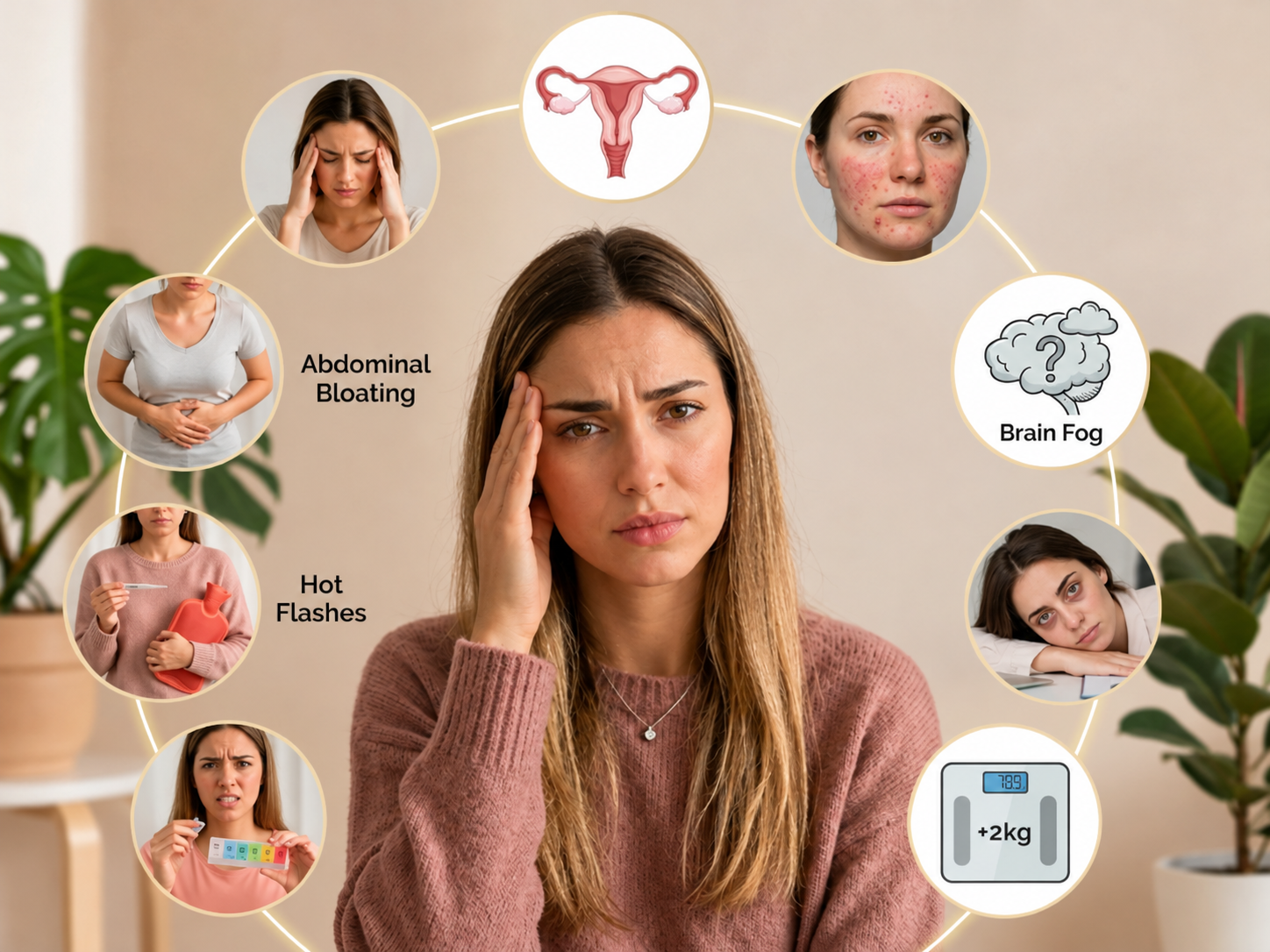
Hormones affect your periods, mood, energy, skin, sleep, and metabolism. When hormone levels change, you may notice unusual changes in your body. Recognizing the symptoms of hormonal imbalance can help you understand what might be happening and when to seek further guidance.
Hormone levels naturally shift during puberty, pregnancy, and the transition to menopause. However, persistent symptoms may sometimes point to an underlying health condition.
Understanding the possible causes, warning signs, and management options can help you make informed decisions about your health.
How Can Hormone Changes Affect Your Body?
Hormonal imbalance develops when hormone levels become higher or lower than the body needs for normal functioning. These changes can affect energy, mood, and overall well-being, while dehydration may also contribute to symptoms such as headaches, as explained in does dehydration cause headaches. Hormones are chemical messengers released by glands that help different organs work together.
The female hormones estrogen and progesterone influence menstrual cycles, reproductive health, and other body functions. Testosterone is also present in women, although typically at lower levels than in men. In both women and men, thyroid hormones, insulin, and cortisol help regulate essential body processes.
Normal hormones change throughout life. However, significant or persistent changes can affect several aspects of physical and emotional well-being.
10 Signs of Hormonal Imbalance in Women
The signs you experience can vary according to which hormones are affected and how their levels change. Here are 10 signs to recognize:
-
Irregular periods: Your periods may become unpredictable, unusually heavy, or absent.
-
Unexplained weight changes: Your weight may change without an obvious reason.
-
Constant fatigue: You may feel tired despite getting enough rest.
-
Mood changes: Hormonal fluctuations may contribute to irritability, anxious feelings, or shifts in mood.
-
Acne: Hormonal changes can increase oil production and trigger breakouts.
-
Hair changes: You may notice thinning scalp hair or excess facial hair.
-
Sleep problems: Falling asleep or staying asleep may become difficult.
-
Reduced sexual desire: Changes in hormone levels may influence your interest in sexual activity.
-
Vaginal dryness: A decline in estrogen, particularly around menopause, can lead to dryness and discomfort.
-
Hot flashes: Sudden feelings of heat and night sweats can occur during menopause.
These signs can have other causes, so experiencing one or more does not automatically mean you have a hormone imbalance.
Why Do Hormonal Imbalances Happen?
Several factors can affect hormone levels, including:
-
Natural life transitions: Puberty, pregnancy, and menopause bring changes in hormone production.
-
PCOS: This condition can affect ovulation and androgen levels.
-
Thyroid disorders: Thyroid problems may affect energy, weight, and periods.
-
Insulin resistance: Changes in insulin sensitivity can influence metabolic health.
-
Stress and poor sleep: Both can affect overall well-being.
-
Certain medications: Some medicines can influence hormone levels.
Understanding what causes hormonal imbalance is important because treatment depends on the underlying reason.
What Health Conditions Are Linked to Hormonal Imbalance?
Certain hormone-related conditions can affect health in different ways, including:
-
Polycystic ovary syndrome (PCOS)
-
Underactive or overactive thyroid
-
Diabetes
-
Premature ovarian insufficiency
-
Menopause-related symptoms
Eating a balanced diet with vitamin B12 foods can help meet your daily nutritional needs. However, symptoms such as acne, fatigue, or unexplained weight changes alone do not confirm a hormonal disorder.
Can Hormonal Imbalance Affect Fertility?
Yes, some hormonal conditions can affect fertility by interfering with ovulation, menstrual regularity, or reproductive function.
For example, PCOS may cause irregular ovulation, making it harder for some women to conceive. Thyroid disorders can also affect menstrual cycles and reproductive health.
However, a hormone imbalance does not automatically mean infertility. Appropriate evaluation and treatment of an underlying condition may improve reproductive function in some cases.
How Is Hormonal Imbalance Diagnosed?
Hormonal changes can sometimes affect the skin, making skincare an important part of your daily routine. Learning about the honey benefits for skin can offer insights into how this common ingredient is used in skincare.
The evaluation process takes into account your symptoms, health background, and any relevant changes in your menstrual cycle. Depending on the suspected cause, evaluation may include:
-
Blood tests to check selected hormone levels
-
Thyroid or blood glucose tests
-
Pregnancy testing when appropriate
-
Ultrasound to assess the ovaries when indicated
Not everyone needs every test. Hormone readings may fluctuate depending on the time of day and the stage of your menstrual cycle.
How Can You Manage Hormonal Imbalance?
The best approach depends on the cause. If you’re wondering how to fix hormonal imbalance, start by understanding that there is no single solution for every condition.
Helpful habits include:
-
Include a variety of vegetables, fruits, whole grains, protein-rich foods, and healthy fats in your daily meals.
-
Exercise regularly to support metabolic health.
-
Maintain a consistent sleep schedule.
-
Use stress-management techniques such as walking or relaxation exercises.
-
Follow appropriate treatment for any diagnosed condition.
Choosing food to eat for hormonal imbalance can support general health, but no single food or supplement can cure every hormone disorder.
Conclusion
The symptoms of hormonal imbalance can affect periods, energy, mood, skin, sleep, and reproductive health. Although some hormone changes are a normal part of life, persistent or unusual symptoms deserve attention. Understanding possible causes and choosing suitable lifestyle habits can support overall health, while proper evaluation can help identify conditions that need specific treatment.
Frequently Asked Questions
1. Which early changes may indicate a hormonal imbalance in women?
Common signs include irregular periods, fatigue, acne, mood changes, and unexplained weight changes.
2. What are the main female hormones?
Estrogen and progesterone are the main female reproductive hormones. Testosterone, insulin, thyroid hormones, and cortisol also affect women’s health.
3. Can food help balance hormones?
A balanced diet supports overall health, but food alone cannot correct every hormonal disorder.
4. Can hormonal imbalance affect men too?
Yes. Men can experience hormonal changes involving testosterone, thyroid hormones, and other hormones.
5. When should you seek medical advice?
Consider seeking advice if symptoms persist, periods become unusually irregular, or changes in energy, weight, or hair growth interfere with daily life.
References:
- https://my.clevelandclinic.org/health/diseases/22673-hormonal-imbalance
- https://medlineplus.gov/hormones.html
0 200


No Comments