
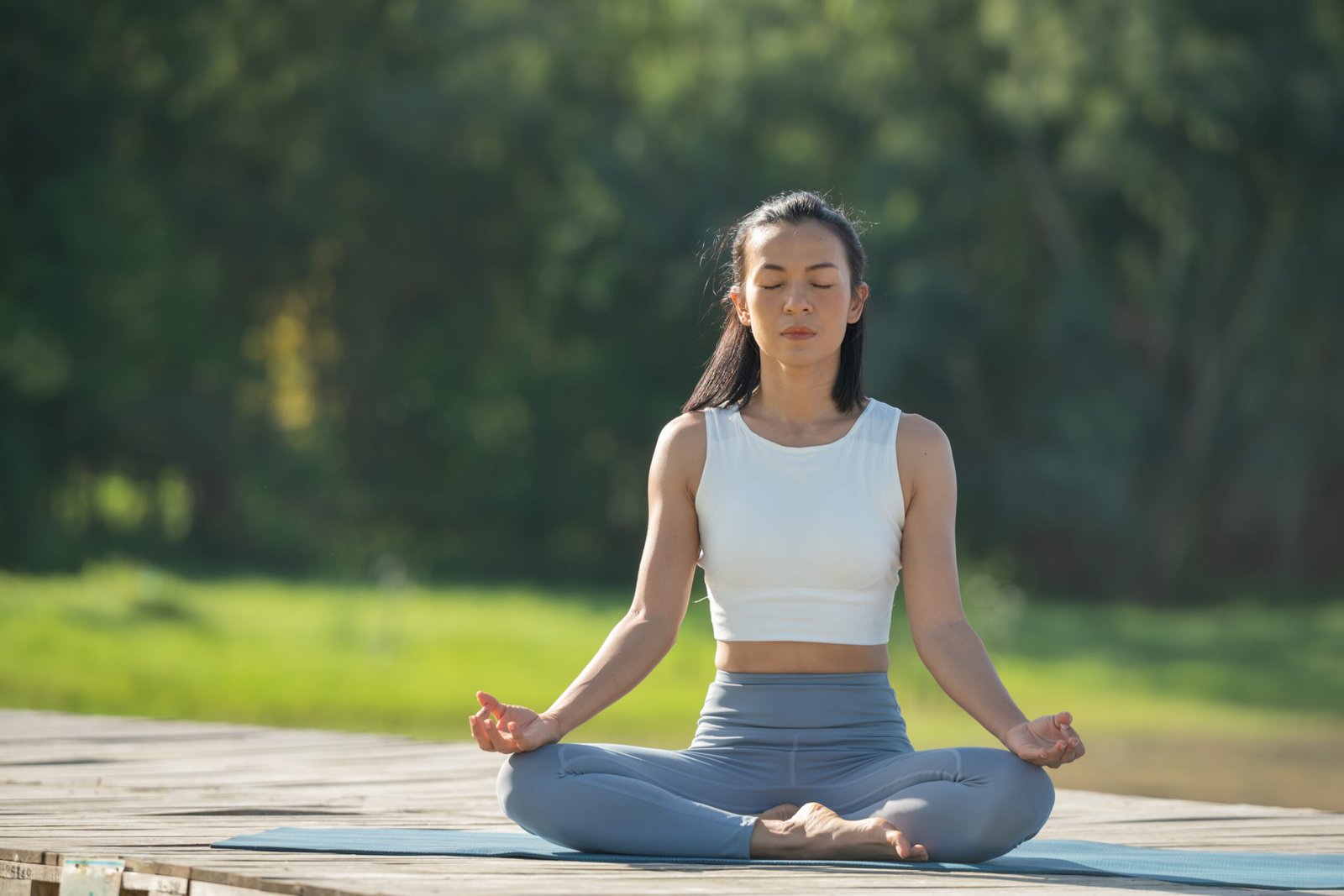
In today’s fast-paced world, finding moments of peace and balance can feel impossible. That’s where yoga comes in a timeless practice that connects the body, mind, and spirit. Whether you’re hoping to improve flexibility, reduce stress, or boost overall wellness, yoga is a gentle yet powerful way to begin your self-care journey.
1. What Is Yoga and Why Should You Practice It?
Yoga is an ancient practice that combines physical postures, controlled breathing, and meditation to promote harmony between mind and body. It strengthens muscles, improves posture, enhances focus, and supports emotional health.
Regular practice can:
-
Reduce stress and anxiety
-
Improve flexibility and balance
-
Strengthen your immune system
-
Boost mental clarity and energy levels
2. Essential Tips Before You Begin
Starting yoga doesn’t require fancy gear or experience just commitment and awareness.
Here are a few tips to prepare:
-
Choose a quiet space where you can move freely without distractions.
-
Wear comfortable clothes that let you stretch easily.
-
Use a yoga mat or a soft surface for stability.
-
Start slow and focus on breathing rather than perfecting poses.
HealthInfi Tip: Always listen to your body. Yoga is about connection, not competition.
3. Basic Yoga Poses for Beginners
Here are five foundational poses to begin your journey:
-
Mountain Pose (Tadasana) – Improves posture and grounding.
-
Downward-Facing Dog (Adho Mukha Svanasana) – Strengthens arms and legs while stretching the back.
-
Child’s Pose (Balasana) – Relaxes the spine and calms the mind.
-
Cat-Cow Pose (Marjaryasana-Bitilasana) – Enhances flexibility and relieves tension.
-
Warrior I (Virabhadrasana I) – Builds strength and balance.
Start with 15–20 minutes daily and gradually increase your time as your comfort grows.
4. The Power of Breath in Yoga
Breathing (Pranayama) is the heart of yoga. Deep, mindful breathing reduces stress and increases energy flow.
Try this simple technique:
-
Inhale deeply through your nose for four counts.
-
Hold for two counts.
-
Exhale slowly through your mouth for six counts.
Practice this during poses or whenever you feel tense it instantly calms your body and mind.
5. Building a Consistent Yoga Routine
Consistency is key. You don’t need long sessions every day even 10 minutes can make a difference.
Here’s a simple plan:
-
Morning: Gentle stretches and breathing.
-
Afternoon: A few standing poses to boost energy.
-
Evening: Relaxing poses like Child’s Pose or Corpse Pose (Savasana).
HealthInfi Reminder: The goal is not perfection it’s showing up for yourself daily.
Final Thoughts
Yoga is more than just movement it’s a lifestyle of balance, awareness, and growth. As a beginner, patience and consistency are your greatest tools. With every pose and breath, you’ll discover more strength, flexibility, and peace within.
At HealthInfi, we encourage you to embrace yoga as a lifelong journey toward better health and self-discovery. Take a deep breath, roll out your mat, and start your transformation today.
FAQs
1. What is the best time to do yoga?
Morning is the ideal time to practice yoga, as it helps energize your body and clear your mind for the day. However, you can do yoga anytime even evening sessions are great for relaxation and stress relief.
2. How long should a beginner practice yoga each day?
Start with 15–20 minutes daily and gradually increase the duration as your strength and flexibility improve. Consistency is more important than the length of each session.
3. Do I need to be flexible to start yoga?
Not at all! Flexibility develops with regular practice. Yoga is about progress, not perfection every pose can be modified to match your comfort level.
4. Can yoga help with stress and anxiety?
Yes. Yoga combines breathing exercises, movement, and mindfulness all of which help reduce stress, calm the mind, and promote emotional balance.
5. What should I eat before or after doing yoga?
Before yoga, eat light like fruit or a smoothie about an hour prior. After practice, choose nourishing foods such as whole grains, fruits, or herbal tea to restore energy.
Reference:
https://www.yogkulam.org/blog/best-yoga-blogs
https://www.sampoornayoga.com/a-life-changing-journey-inside-a-200-hour-yoga-ttc-in-bali/
0 200

No Comments