
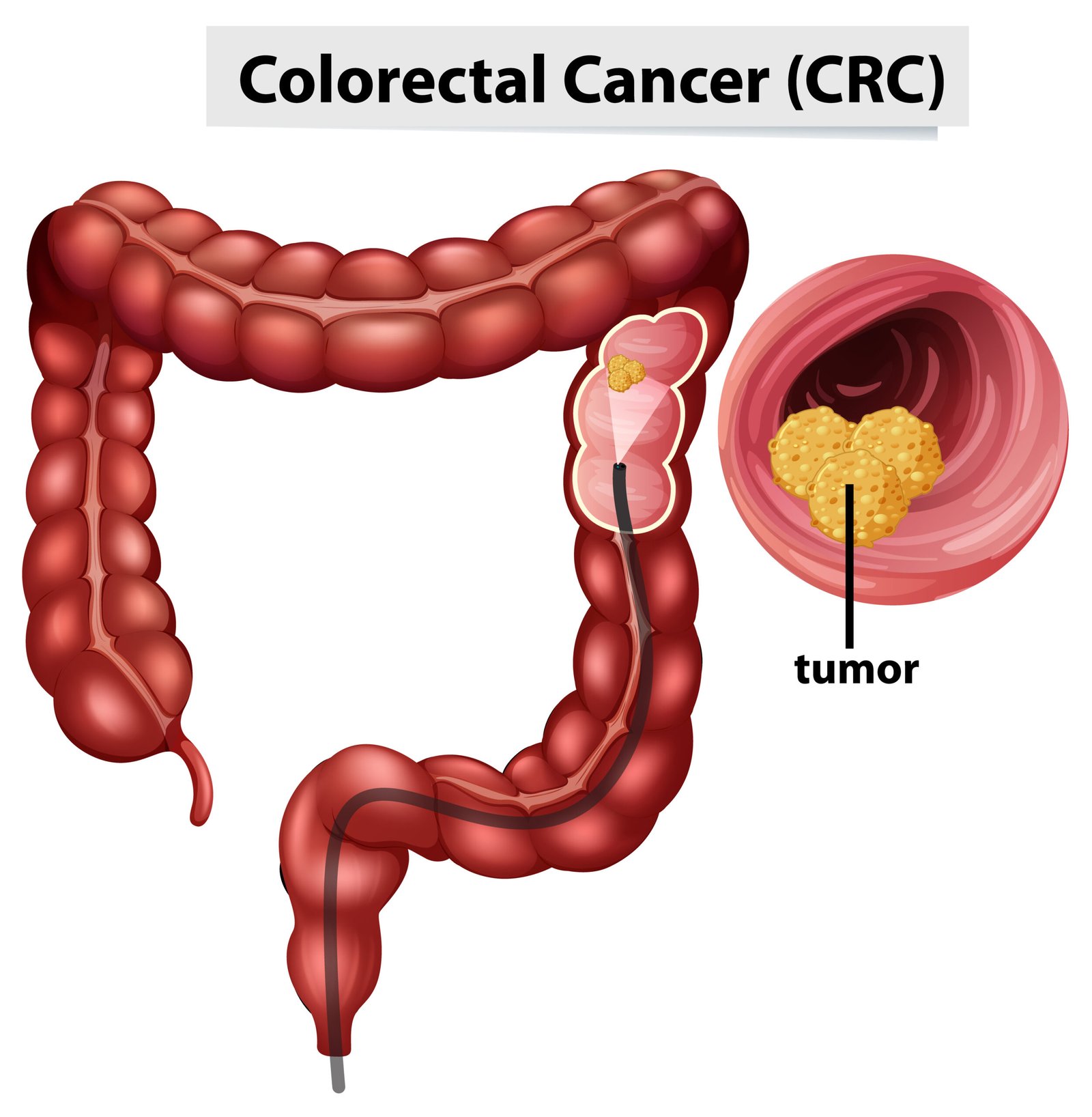
Colorectal cancer is among the most frequently diagnosed cancers that develop within the digestive system. It develops in the colon or rectum when abnormal growth begins in the lining of the large intestine. Understanding what is colorectal cancer is important because early detection can significantly improve treatment outcomes. Many people do not notice symptoms in the beginning stages, which is why awareness and regular screening are essential.
Colorectal cancer may start as small growths called polyps that can slowly become cancerous over time. These changes happen when colorectal cells begin multiplying abnormally and uncontrollably, leading to the formation of tumors. Identifying the early warning signs can help individuals seek timely medical advice and prevent the disease from reaching a more serious stage.
Common Symptoms of Colorectal Cancer
The symptoms of colorectal cancer can vary depending on the location and stage of the tumor. Some people may experience mild digestive changes, while others may develop more noticeable symptoms.
1. Changes in Bowel Habits
A frequent early warning sign of colorectal cancer is a noticeable change in regular bowel habits. This may include constipation, diarrhea, or feeling that the bowel does not completely empty after using the toilet. Long-lasting changes should not be ignored, especially if they continue for several weeks.
2. Blood in Stool
Noticing blood in the stool may be a concerning sign that requires proper medical evaluation. Blood may appear bright red or make stools look dark and unusual. Although bleeding may occur because of other issues, such as hemorrhoids, it is important to have it evaluated by a healthcare professional.
Changes related to colon cancer stool may include blood, unusual color, or changes in consistency.
3. Abdominal Pain and Discomfort
Persistent cramps, bloating, gas, or abdominal discomfort may occur when a tumor affects the digestive tract. As a tumor increases in size, it may sometimes obstruct the intestine, leading to abdominal discomfort and changes in digestive function.
4. Unexplained Weight Loss
Unexpected weight loss without changes in diet or exercise may be a warning sign of several cancers, including colorectal cancer. It can occur because cancer affects metabolism and reduces the body’s ability to use nutrients properly.
5. Fatigue and Weakness
Continuous tiredness may happen due to internal bleeding that leads to anemia. Low iron levels caused by slow blood loss in the digestive system can make a person feel weak and exhausted.
What Are Colon Cancer Symptoms in Men?
Many symptoms of colon cancer are similar in both males and females. However, men may delay medical visits because early signs can seem like common digestive problems. Understanding what are colon cancer symptoms in men can encourage earlier diagnosis.
Common symptoms in men include:
- Persistent changes in bowel movements
- Blood in stool
- Abdominal discomfort or cramps
- Unexplained weight loss
- Fatigue
- Iron deficiency anemia
- Changes in appetite
Men with a family history of colorectal cancer should discuss screening options with their doctor.
Causes and Risk Factors of Colon Cancer
Understanding the causes of colon cancer can help people reduce their risk. Colon cancer usually develops due to a combination of genetic changes, lifestyle factors, and environmental influences.
Common risk factors include:
- Increasing age, especially after age 45
- Family history of colorectal cancer
- Inflammatory bowel diseases
- A diet that includes excessive processed meats and insufficient fiber-rich foods.
- Smoking and excessive alcohol consumption
- Lack of regular physical activity
- Certain inherited genetic conditions
Sometimes, doctors may find a growth called a colon mass during imaging tests or colonoscopy. A colon mass can be benign (non-cancerous) or malignant (cancerous), so additional testing is needed.
Types of Colorectal Cancer
There are different forms of colorectal cancer depending on where the cancer begins and how the cells appear under a microscope. The most common form is adenocarcinoma, which develops from the glandular cells lining the colon or rectum.
Some examples of types of colorectal carcinoma include:
- Adenocarcinoma
- Neuroendocrine tumors
- Squamous cell carcinoma
- Gastrointestinal stromal tumors
- Lymphomas affecting the colon
An adenocarcinoma of rectum refers to cancer that begins in the glandular cells of the rectum. Doctors may describe advanced cancer using terms such as neoplasm colon malignant, meaning a cancerous growth in the colon.
In medical language, crc in medical terms means colorectal cancer, which includes cancers affecting both the colon and rectum.
Advanced Colorectal Cancer and Related Conditions
When colorectal cancer spreads, it can affect other organs. Some people may hear terms related to cancer of the liver and colon because the liver is one of the common areas where colorectal cancer can spread.
Research has also explored the melanoma colon cancer link, as some rare cases involve relationships between different cancer types and immune system factors. However, melanoma and colorectal cancer are separate diseases with different origins.
A lump in colon or large mass in colon may be discovered during screening or medical imaging. These findings require further tests, such as biopsies, to determine whether the growth is cancerous.
Treatment and Managing Colon Cancer
Treatment depends on the cancer stage, location, and overall health of the patient. Options may include:
- Surgery to remove tumors
- Chemotherapy
- Radiation therapy
- Targeted therapy
- Immunotherapy
Managing colon cancer often involves a combination of medical treatment, healthy lifestyle choices, regular follow-ups, and emotional support.
Many patients have concerns about the safety of surgery and often wonder, “Is it possible to die from colon cancer surgery?” When performed by qualified and experienced medical professionals, surgery is generally considered a safe and effective treatment option. However, like all major procedures, it carries some risks. Doctors carefully evaluate each patient to reduce complications and improve recovery.
The term cancer de colon is commonly used in Spanish-speaking regions to describe colon cancer. Although the language differs, the disease refers to the same condition affecting the large intestine.
Prevention and Early Detection
Regular screening is one of the most effective methods for detecting colorectal cancer early and reducing its risk. Screening tests can identify polyps before they become cancerous and help detect cancer at an earlier stage.
Healthy habits that may lower risk include:
- Eating more fruits, vegetables, and whole grains
- Maintaining a healthy weight
- Exercising regularly
- Avoiding smoking
- Limiting alcohol intake
- Following recommended screening schedules
Understanding what’s the difference between colorectal cancer and colon cancer is also helpful. Colon cancer specifically affects the colon, while colorectal cancer includes both colon and rectal cancers.
Early awareness of symptoms can make a major difference. If you notice persistent digestive changes, blood in stool, unexplained weight loss, or ongoing abdominal pain, consult a healthcare professional for proper evaluation.
FAQs
1. What are the first warning signs of colorectal cancer?
Early signs may include changes in bowel habits, blood in stool, abdominal discomfort, unexplained weight loss, and fatigue.
2. Can colorectal cancer be prevented?
While not all cases can be prevented, regular screening, a healthy diet, exercise, and avoiding smoking can reduce risk.
3. Is every colon mass cancerous?
No. A colon mass can be benign or malignant. Doctors use tests like imaging and biopsy to determine its nature.
4. What is the most common type of colorectal cancer?
Adenocarcinoma is the most common type of colorectal cancer and develops from glandular cells in the colon or rectum.
5. When should someone see a doctor for colorectal cancer symptoms?
Anyone experiencing persistent bowel changes, rectal bleeding, unexplained weight loss, or ongoing abdominal pain should seek medical advice.
Reference
https://www.mayoclinic.org/diseases-conditions/colon-cancer/symptoms-causes/syc-20353669
https://my.clevelandclinic.org/health/diseases/14501-colorectal-colon-cancer
0 200
No Comments