

Have you ever wondered why some days you feel energetic while other days you feel sluggish? Your metabolism plays an important role in how your body converts food into energy and supports everyday functions. Learning how to increase metabolism naturally can help you build healthier habits, support muscle health, and maintain a balanced weight.
Although no single food or drink can dramatically speed up your metabolism, regular physical activity, balanced meals, adequate sleep, and proper hydration can support normal metabolic function. Let’s explore seven practical ways to help your body use energy effectively.
How Does Metabolism Affect Your Everyday Health?
Metabolism includes the chemical reactions that help your body function properly. It helps convert nutrients from food into energy for breathing, digestion, movement, and other essential activities.
Your metabolic rate depends on several factors, including age, body size, muscle mass, genetics, and activity level. Muscle tissue uses more energy at rest than fat tissue, which is one reason maintaining muscle can support daily energy expenditure.
Healthy metabolic habits may also help you maintain a balanced weight, support digestion, and improve overall well-being.
How to Increase Metabolism Naturally: 7 Effective Ways
1. Choose Protein-Rich Foods to Support Metabolism
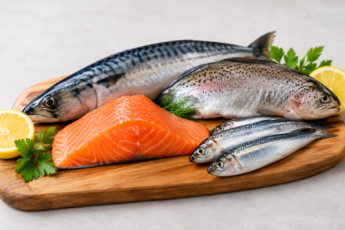
Protein helps build and maintain muscle, supports tissue repair, and keeps you feeling satisfied after meals. Protein-rich foods such as eggs, dairy products, and fish also provide vitamin B12. Explore these vitamin B12 foods to learn more about dietary sources.
Include protein sources such as:
-
Eggs, fish, and lean poultry
-
Lentils, beans, and chickpeas
-
Milk, yogurt, and paneer
-
Nuts, seeds, and soy products
Including protein in balanced meals can support muscle maintenance and make it easier to manage hunger throughout the day.
2. Build Lean Muscle Through Strength Training
Strength training helps develop and maintain muscle mass, which contributes to your resting energy expenditure. Although the increase in calorie burning at rest may be modest, resistance exercise offers several benefits for overall health.
You can try activities such as:
-
Bodyweight squats
-
Wall push-ups
-
Resistance-band exercises
-
Light weightlifting
Begin with exercises that feel manageable and slowly increase their intensity. Combining strength training with regular movement can support muscle strength, balance, and everyday mobility.
3. Move More Throughout the Day
Exercise is helpful, but your everyday movements also contribute to energy use. Walking, taking the stairs, doing household chores, and standing up regularly can increase your daily activity.
Try these simple habits:
-
Take a short walk after meals.
-
Stand up and stretch during long periods of sitting.
-
Walk while talking on the phone.
-
Choose activities you enjoy, such as dancing or cycling.
These small changes can make an active lifestyle easier to maintain. Regular movement also supports cardiovascular health, stamina, and weight management.
4. Prioritize Consistent, Quality Sleep
Sleep supports many processes involved in appetite regulation, energy balance, and metabolic health. Poor or irregular sleep may affect hunger signals and make it harder to maintain healthy eating and activity habits.
To improve your sleep routine:
-
Aim for seven to nine hours of sleep if you are an adult.
-
Keep a consistent bedtime and waking time.
-
Reduce bright-screen exposure before bed.
-
Avoid heavy meals and excessive caffeine close to bedtime.
Good sleep will not instantly accelerate metabolism, but it can help support the habits that contribute to long-term health.
5. Stay Hydrated Throughout the Day
Water is essential for digestion, circulation, temperature regulation, and other bodily functions. Drinking enough water supports normal metabolism, although water alone is not a reliable weight-loss or fat-burning solution.
Keep a water bottle nearby and drink regularly throughout the day. Your fluid needs may increase during hot weather, exercise, or heavy sweating.
Staying hydrated supports normal body functions, and does dehydration cause headaches is worth understanding when learning about hydration and health.
6. Choose Balanced Meals With Essential Nutrients
Your body needs a variety of nutrients to carry out metabolic processes.
A balanced diet provides essential nutrients, including vitamin B12, which supports normal nerve function and red blood cell production. Learn more about deficiency of vitamin B12 and its possible causes.
Build balanced meals with:
-
Whole grains such as oats and brown rice
-
Vegetables and whole fruits
-
Protein-rich foods
-
Healthy fat sources, including nuts and seeds
Avoid routinely skipping meals if it leaves you excessively hungry or encourages overeating later. The goal is not to follow a strict diet but to establish a sustainable eating pattern that supports energy and overall wellness.
7. Manage Stress With Healthy Daily Routines
Ongoing stress can affect sleep, appetite, and food choices. Some people eat more when stressed, while others lose their appetite. Managing stress can help support routines that are beneficial for metabolic health.
Consider these practical options:
-
Take a few minutes for slow breathing.
-
Spend time outdoors.
-
Practice gentle yoga or stretching.
-
Make time for hobbies and social connections.
-
Maintain a regular sleep schedule.
Stress management does not directly switch metabolism into a faster mode, but it can make healthy daily habits easier to maintain.
Which Foods Should You Eat for a Healthy Metabolism?
There is no single metabolism booster food that causes substantial fat loss on its own. Vitamin B12 is essential for normal nerve function and red blood cell production.
Some useful metabolism boosting foods include:
-
Protein-rich foods: Eggs, lentils, beans, fish, and yogurt support muscle maintenance.
-
Whole grains: Oats and brown rice provide carbohydrates and fiber.
-
Vegetables: Leafy greens and other vegetables supply vitamins, minerals, and fiber.
-
Fruits: Berries, oranges, and other fruits provide nutrients and natural carbohydrates.
-
Nuts and seeds: These contain healthy fats, protein, and other important nutrients.
Green tea and coffee contain caffeine, which may temporarily increase energy expenditure in some people. However, their effects are limited, and sugary metabolism booster drinks are not necessary for a healthy metabolism.
Conclusion
Understanding how to increase metabolism naturally starts with realistic expectations and consistent habits. Getting enough protein, maintaining muscle, staying active, sleeping well, drinking enough water, eating balanced meals, and managing stress can support overall well-being.
Frequently Asked Questions
1. What is the fastest way to increase metabolism naturally?
Regular movement, strength training, balanced meals, and adequate sleep support normal metabolic function. No single habit produces a dramatic or lasting increase overnight.
2. Which foods help support metabolism?
Protein-rich foods, whole grains, vegetables, fruits, nuts, and seeds provide nutrients that support normal body functions and muscle maintenance.
3. Does drinking water increase metabolism?
Water is essential for normal metabolic processes. Drinking enough supports hydration, but water alone does not cause substantial fat loss.
4. Can walking help improve metabolism?
Yes. Walking increases energy use while you are active and supports cardiovascular health. Regular walks are a practical way to increase daily movement.
5. Do metabolism booster drinks burn fat?
Some drinks containing caffeine may temporarily affect energy expenditure, but their effects are limited. No drink reliably produces substantial fat loss without broader lifestyle changes.
References:
- https://www.mayoclinic.org/healthy-lifestyle/weight-loss/in-depth/metabolism/art-20046508
- https://medlineplus.gov/ency/patientinstructions/000893.htm
0 200

No Comments