
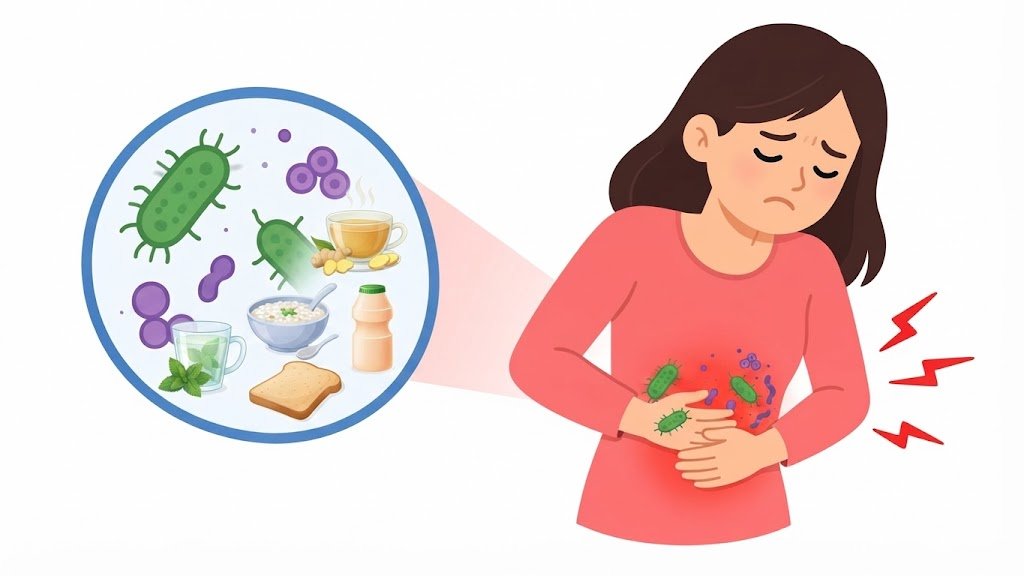
Bacterial infection home remedies can affect different parts of the body, including the skin, throat, urinary tract, digestive system, and respiratory system. While some mild symptoms may improve with supportive home care, bacterial infections sometimes require prescription antibiotics to prevent complications.
Many people search for a home remedy for bacterial infection or wonder how to get rid of a bacterial infection naturally. Although certain natural ingredients may offer soothing or antimicrobial properties, they should not replace appropriate medical treatment.
What Causes Bacterial Infections?
Bacterial infections occur when harmful bacteria enter the body, multiply, and trigger an immune response. They can develop through contaminated food or water, cuts and wounds, respiratory droplets, sexual contact, or contact with infected surfaces.
Common examples include:
-
Skin conditions caused by harmful bacteria, including impetigo and infected wounds.
-
Urinary tract infections (UTIs).
-
Certain types of sinus and throat infections.
-
Bacterial foodborne illnesses.
-
Some cases of pneumonia.
Treatment depends on the type of bacteria, location of the infection, severity of symptoms, and overall health.
7 Bacterial Infection Home Remedies for Supportive Care
1. Stay Hydrated
Drinking enough water is one of the simplest supportive measures when you are unwell. Adequate hydration helps maintain normal body functions and may be especially useful if you have a fever, sweating, nausea and vomiting, or diarrhea.
Water, clear soups, and oral rehydration solutions can help replace lost fluids. If you have a medical condition requiring fluid restriction, follow your healthcare provider’s advice.
Hydration does not kill bacteria, but it supports your body while it responds to illness.
2. Get Sufficient Rest
Rest is an important part of recovery. Your immune system requires energy to respond to infections, and adequate sleep supports normal immune function.
Try to maintain a regular sleep schedule and avoid strenuous exercise while experiencing fever, significant fatigue, or other acute symptoms.
Rest is a helpful component of a natural treatment for bacterial infection, but it cannot eliminate bacteria that require antibiotic therapy.
3. Use Warm Compresses for Minor Skin Discomfort
A clean, warm, damp cloth may provide temporary comfort for certain minor skin irritations or localized discomfort.
-
Wash your hands before touching the area.
-
Rinse the wound carefully under clean, running water to remove dirt and impurities.
-
Cover it with a clean dressing.
-
Warm compresses may ease discomfort, but they do not reliably cure bacterial skin infections. Increasing redness, swelling, pus, or worsening pain requires medical evaluation.
4. Try Honey for Throat Comfort
Honey is commonly used as a soothing home remedy for cough and sore throat irritation. A small amount may help coat and comfort an irritated throat.
However, honey should not be considered a proven cure for bacterial throat infections. If you have strep throat, for example, proper diagnosis and treatment may be necessary.
Important: Never give honey to children younger than 12 months because of the risk of infant botulism.
5. Eat Balanced, Nutrient-Rich Foods
Eating well helps maintain normal immune function and supports recovery from illness.
Consider including:
-
Fresh fruits and vegetables.
-
Protein-rich foods such as eggs, beans, fish, or lentils.
-
Whole grains.
-
Yogurt or other suitable fermented foods.
-
Healthy fats from nuts, seeds, and plant oils.
No single food can remove bacteria from the body naturally. A balanced diet is supportive rather than a substitute for medical treatment.
6. Practice Gentle Hygiene
Good hygiene helps prevent the spread of bacteria and reduces the risk of additional infections.
Regular handwashing is among the most practical antibacterial home remedies for prevention, although it does not treat an established internal infection.
7. Keep Minor Wounds Clean and Covered
Proper wound care is essential for reducing bacterial contamination.
For minor cuts and scrapes:
-
Wash your hands thoroughly.
-
Rinse the wound with clean running water.
-
Gently clean surrounding skin.
-
Apply a clean dressing.
-
Monitor for signs of infection.
Avoid applying harsh chemicals, undiluted essential oils, or irritating substances directly to open wounds.
Which Natural Remedy Is Considered the Strongest Antibiotic for Humans?
People frequently search for What is the strongest natural antibiotic for humans because they want an alternative to prescription medication. However, laboratory antimicrobial activity does not establish that a substance can cure an infection inside the human body. There is no universally proven natural antibiotic that reliably replaces prescribed antibiotics for bacterial infections.
Natural Antibiotics for Skin Infections: What Helps?
Searches for Natural antibiotics for skin infections often lead people to garlic, tea tree oil, turmeric, or honey.
Some of these substances have demonstrated antimicrobial activity in laboratory research. However, applying concentrated oils, raw garlic, or other irritating ingredients to infected skin may cause burns, allergic reactions, or further irritation.
For minor skin injuries, gentle cleaning, appropriate dressings, and monitoring are safer supportive steps. A diagnosed bacterial skin infection may require prescription topical or oral antibiotics.
How to Prevent Bacterial Infections
Understanding How to prevent bacterial infections can help protect you and your family.
Practical prevention habits include:
-
-
Keep cuts and wounds clean and covered.
-
Prepare food safely and cook meat thoroughly.
-
Drink safe water.
-
Follow recommended vaccination schedules.
-
Manage chronic conditions according to medical advice.
-
Avoid unnecessary antibiotic use.
Safe food preparation includes cleaning surfaces, separating raw foods from ready-to-eat items, cooking foods properly, and refrigerating perishable items promptly.
FAQs
1. What are the Signs your body is fighting a bacterial infection?
Common signs include fever, fatigue, swelling, redness, pain, and pus. Symptoms vary depending on the infection.
2. Are there effective blood infection natural remedies?
No natural remedy can safely treat a blood infection or sepsis. Get urgent medical attention right away if you think you may have one.
Maintain good hygiene, stay hydrated, eat balanced meals, and support your immune system. Medical treatment may be necessary to eliminate harmful bacteria.
4. How to treat an infection at home?
For mild symptoms, rest, drink fluids, and keep affected areas clean. Seek medical advice if symptoms worsen or persist.
5. What good for infection?
Hydration, proper rest, wound care, and a balanced diet may support recovery. The right treatment depends on the infection’s cause and severity.
Reference
https://www.healthline.com/health/natural-antibiotics
https://my.clevelandclinic.org/health/diseases/24189-bacterial-infection
0 200

No Comments