
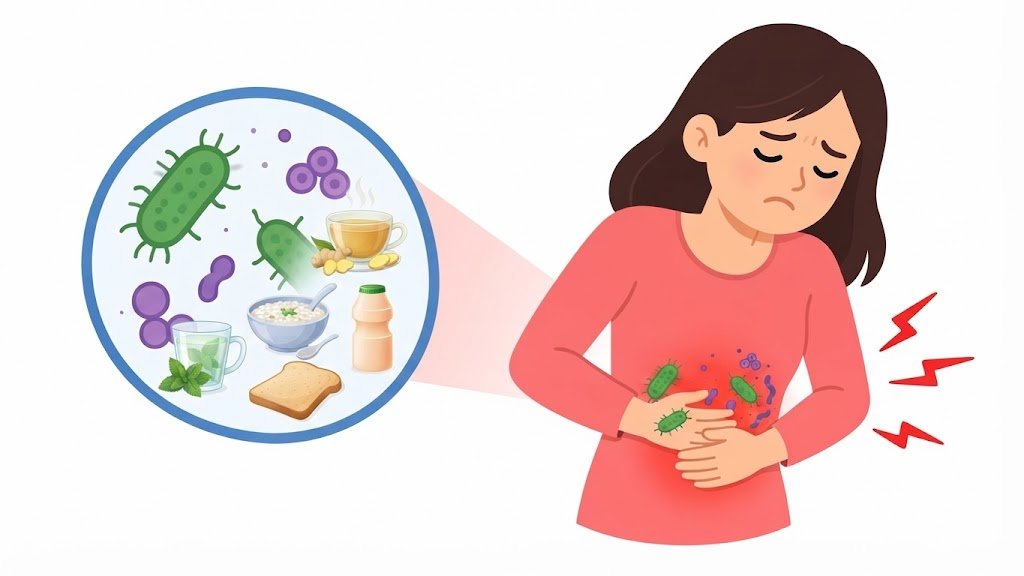
Bacterial infections often need proper medical care and prescribed antibiotics, as home remedies alone are not enough to eliminate the infection. Although some natural ingredients show antibacterial effects in laboratory studies, they may not work effectively in the body to eliminate an active infection.
The right approach to managing an infection at home depends on its type, cause, and severity. Mild skin or stomach infections may improve with supportive care, while serious, deep, or worsening infections need medical attention. Certain plant-based and food-derived compounds have antimicrobial properties that may help limit bacterial growth and support the body’s natural defenses. However, these remedies cannot replace prescribed antibiotics for serious or widespread bacterial infections.
How to treat an infection at home
Garlic has been used in traditional medicine for centuries and contains allicin, a natural compound known for its potential antibacterial effects. Laboratory studies suggest that allicin may help inhibit the growth of certain bacteria, although more research is needed to determine how effective it is against infections in the human body.
You can add freshly crushed or chopped garlic to your meals to enjoy its flavor and nutritional benefits. However, avoid applying raw garlic or homemade garlic paste directly to your skin, as it can cause irritation and chemical burns.
Eating large amounts of raw garlic may also cause heartburn, nausea and vomiting, or stomach discomfort. Remember that garlic is not a proven treatment for bacterial infections and should not replace prescribed antibiotics.
Honey
Honey is known for its potential antibacterial properties and has been used in traditional medicine for generations. Research suggests that certain types of honey, particularly medical-grade honey, may help inhibit bacterial growth and support wound healing when used appropriately.
You can enjoy a small amount of honey in warm water or tea as part of a balanced diet. For wounds, specially prepared medical-grade honey may be recommended by healthcare professionals.
Keep in mind that ordinary kitchen honey is not sterile and should not be applied directly to deep or infected wounds. Honey may offer some benefits in specific situations, but consuming it has not been shown to cure bacterial infections. Avoid giving honey to babies younger than 12 months, as it can cause infant botulism, a rare but serious illness.
Ginger
Ginger is a popular kitchen ingredient traditionally used to ease digestive discomfort. It contains bioactive compounds, including gingerols, that have demonstrated antibacterial and anti-inflammatory effects in laboratory studies.
Ginger may help relieve certain digestive symptoms, such as nausea, and can be added to tea, soups, or everyday meals. To make ginger tea, steep a few slices of fresh ginger in hot water for several minutes.
Although ginger contains compounds with potential antimicrobial activity, there is limited evidence that consuming it can treat bacterial infections in people. Ginger supplements may also interact with certain medications, so consult a healthcare professional before using them regularly, particularly if you take prescription drugs.
Clove
Cloves are aromatic spices commonly used in cooking and traditional remedies. They contain eugenol, a compound that has demonstrated antimicrobial and anti-inflammatory effects in laboratory research.
Cloves can be added to meals or steeped in hot water to make a flavorful infusion. However, drinking clove tea has not been proven to eliminate bacterial infections.
Avoid applying undiluted clove oil and water or homemade clove preparations directly to infected skin, as they may cause irritation or tissue damage. Swallowing concentrated clove oil can also be harmful. If you have a suspected bacterial infection, seek appropriate medical advice rather than relying on cloves as a treatment.
Oregano
Oregano is a culinary herb that contains carvacrol and thymol, compounds studied for their potential antibacterial properties. Laboratory research suggests these compounds may inhibit the growth of certain bacteria, but their effectiveness as treatments for infections in humans remains uncertain.
You can easily incorporate fresh or dried oregano into your diet by adding it to soups, sauces, stews, and roasted vegetables. Oregano tea is another way to enjoy the herb, although its benefits for treating bacterial infections have not been established.
Oregano essential oil is much more concentrated than the herb used in cooking. Avoid swallowing it or applying it directly to the skin without professional guidance, as it may cause irritation or other adverse effects.
Conclusion
Natural antibiotics for skin infections are a popular topic for people seeking gentle, at-home care. Garlic, honey, ginger, and oregano contain compounds studied for their antibacterial properties, but they cannot reliably cure infections. If you’re wondering what is the strongest natural antibiotic for humans, no natural remedy has been proven to replace prescribed antibiotics.
Antibacterial home remedies may support basic care, but knowing how to get rid of bacterial infection or how to treat an infection at home depends on its cause. You cannot remove bacteria from body naturally or rely on natural cures for infections, especially serious blood infections. Seek medical advice promptly.
FAQs
1. What are the best natural antibiotics for skin infections?
Honey, garlic, and oregano contain compounds studied for antibacterial effects. However, natural remedies have not been proven to replace medical treatment for skin infections.
2. What is the strongest natural antibiotic for humans?
There is no scientifically established strongest natural antibiotic for humans. Bacterial infections may require prescription antibiotics based on the type of bacteria involved.
3. How can I treat a bacterial infection at home?
Keep minor wounds clean and covered, and avoid squeezing or applying irritating substances. Consult a healthcare professional if you think you may have an infection.
4. How can I remove bacteria from the body naturally?
The body has natural defenses that help fight harmful microbes. Healthy habits support general health, but serious bacterial infections need appropriate medical treatment.
5. Can natural remedies help treat blood infections?
No natural remedy has been proven to cure a blood infection. Bloodstream infections can be life-threatening and require urgent medical evaluation and treatment.
Reference
https://www.healthline.com/health/natural-antibiotics
https://my.clevelandclinic.org/health/diseases/24189-bacterial-infection
0 200


No Comments